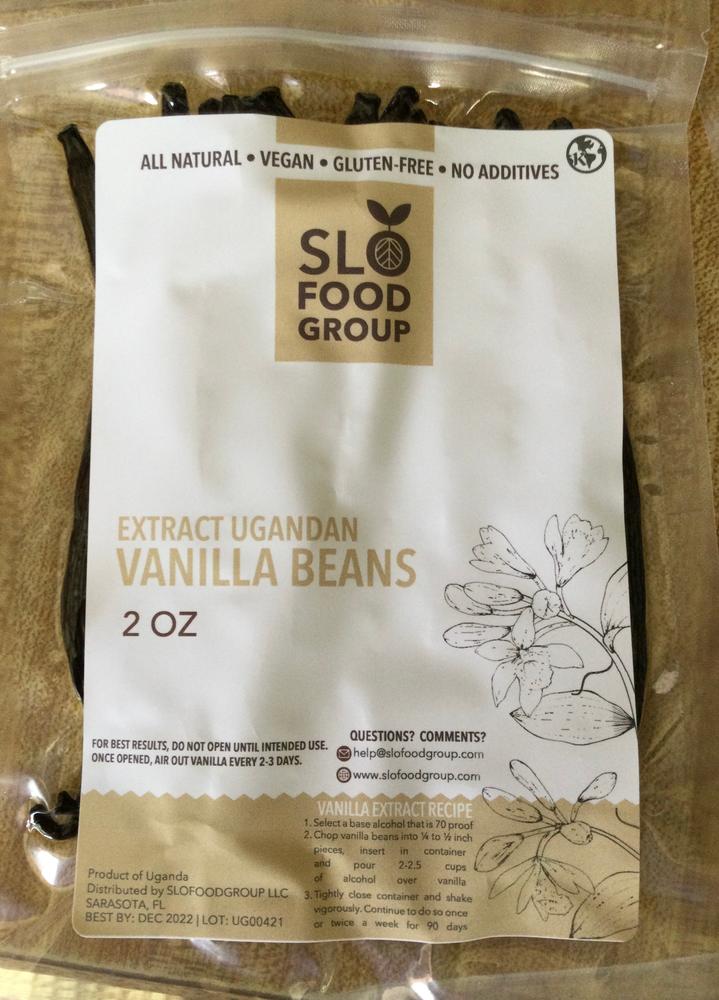
Extract Grade B Ugandan Vanilla Beans
Bourbon vanilla is the common name for the species of vanilla known as vanilla planifolia
Current price: $14.00 Original price: $18.00
Save 22% (-$4.00)
Vanilla Beans
Excellent Product! Excellent Service!

I'm a convert
I've been making my own vanilla extract for over a decade and used to buy my beans based on reviews at a Infamous Global seller. Was never sure what I would get. Then I found this company! The beans were beautiful! Fragrant, moist but not too moist, easy to cut open to expose the seeds and each Bean was six to seven inches long. I'm a happy extract maker! 💝💃🥳
High Quality Vanilla - excellent customer service.
Slo Food group team takes great care of their customers. Received a broken bottle of Vanilla and it was immediately handled. Received my replacement bottle within 3 days.
This extract is used to make our Tahitian Vanilla Cakes!

Great place to get your spices
SLO Food group is the best place I have found to buy my vanilla beans, great customer service, fast shipping and very competitive prices. Thank you for helping me with my project, Vanilla extract. Thank you don young




This is a carousel with one large image and a track of thumbnails below. Select any of the image buttons to change the main image above.
Vanilla Beans
Excellent Product! Excellent Service!
I'm a convert
I've been making my own vanilla extract for over a decade and used to buy my beans based on reviews at a Infamous Global seller. Was never sure what I would get. Then I found this company! The beans were beautiful! Fragrant, moist but not too moist, easy to cut open to expose the seeds and each Bean was six to seven inches long. I'm a happy extract maker! 💝💃🥳
High Quality Vanilla - excellent customer service.
Slo Food group team takes great care of their customers. Received a broken bottle of Vanilla and it was immediately handled. Received my replacement bottle within 3 days.
This extract is used to make our Tahitian Vanilla Cakes!
Great place to get your spices
SLO Food group is the best place I have found to buy my vanilla beans, great customer service, fast shipping and very competitive prices. Thank you for helping me with my project, Vanilla extract. Thank you don young
How to Make Vanilla Extract
An easy to follow guide to making vanilla extract in your own kitchen
Why Buy Ugandan Grade B Vanilla Beans?

Bold, Earthy Complexity
Uganda's Bourbon vanilla brings a distinctive earthy, chocolate-forward flavor that stands apart from the classic sweetness of Madagascar vanilla, adding real depth to homemade extract.

Sustainable, Diverse Sourcing
Sourced from small-scale East African growers, buying Ugandan vanilla supports sustainable, diversified vanilla sourcing beyond the more commonly known Madagascar supply chain.

Built for Extract-Making
Whether you chop, split, or scrape your beans, these Grade B pods are purpose-suited for steeping into rich, complex homemade vanilla extract.

A Different Vanilla Experience
If you've only tried Madagascar vanilla, Ugandan Bourbon vanilla offers a genuinely different flavor profile worth exploring, at a price point that makes experimentation easy.
Technical Specifications
| Origin | Uganda |
|---|---|
| Species | Vanilla planifolia (Bourbon Vanilla) |
| Grade | Extract Grade B |
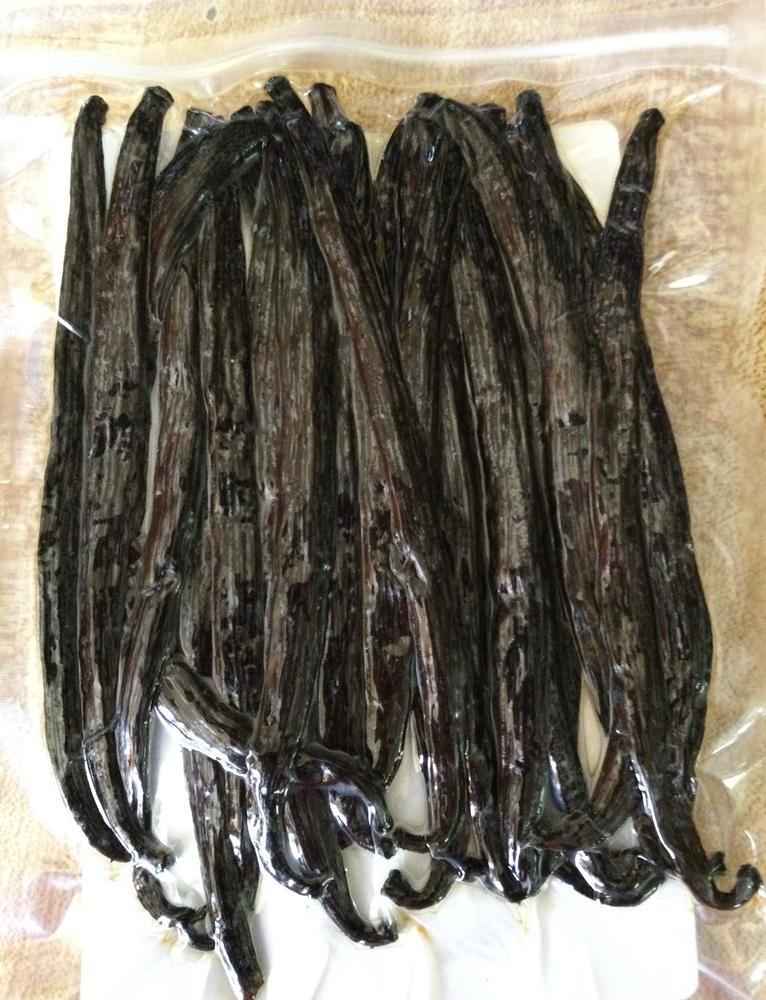
| Size | Avg 12-14 cm (4.7-5.5 Inches) |
| Moisture Content | 23-27% |
| Certifications | Kosher, GMP |
| Growing Seasons | Two Distinct Harvests Per Year (Unlike Most Single-Harvest Vanilla Origins) |
| Flavor Profile | Earthy, Bold, Rich, Milk Chocolatey |
| Tasting Notes | Chocolate Undertones, Warm Spice |
| Uses | Homemade Vanilla Extract, Commercial Flavor Applications, General Baking |
| Sourcing | East African Small-Scale Farms, Sustainable Growing Practices |
| Shelf Life | 12-18 Months When Properly Stored; Beans Will Gradually Dry Out Over Time |
| Packaging | Food-Grade Vacuum Sealed Barrier Film Bag |
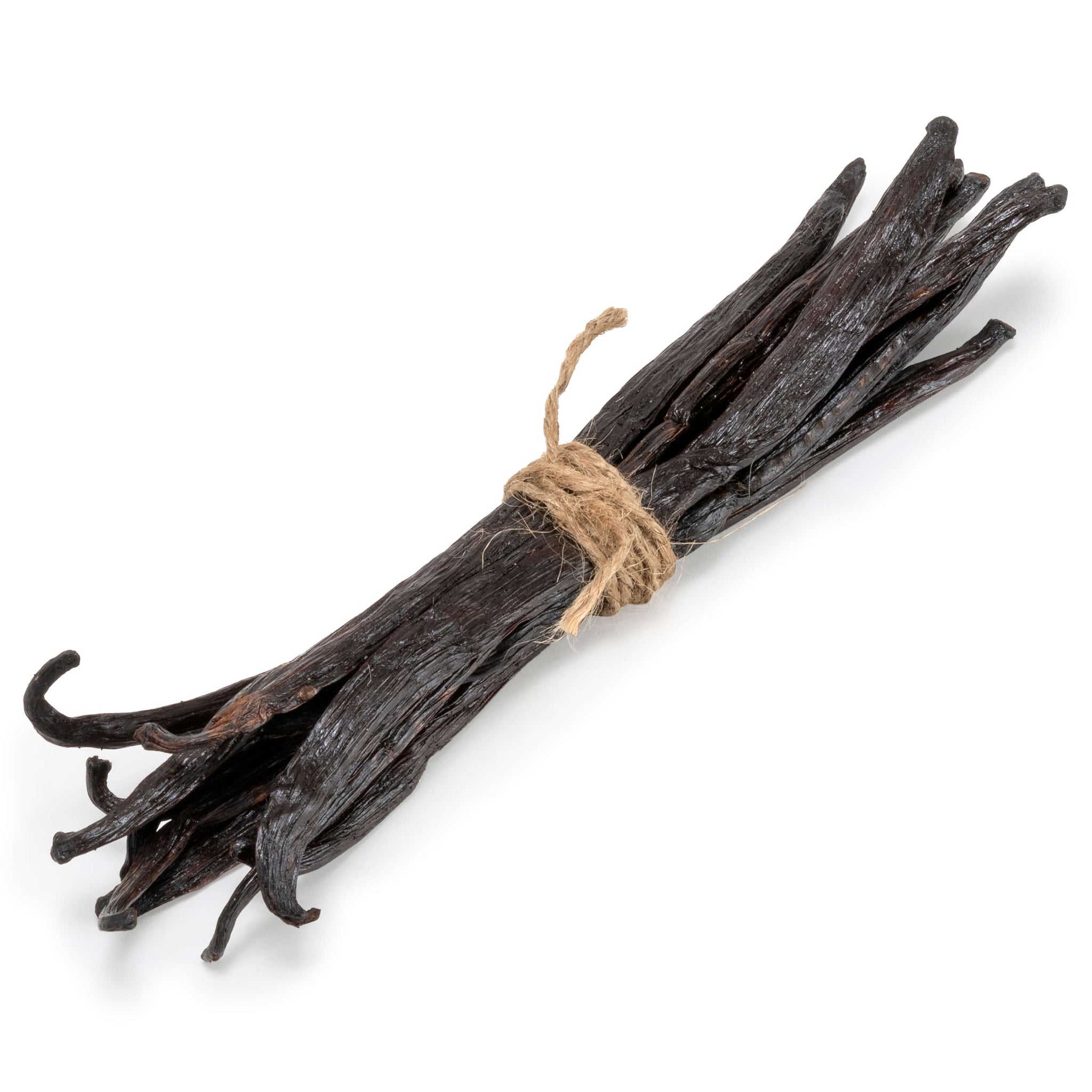
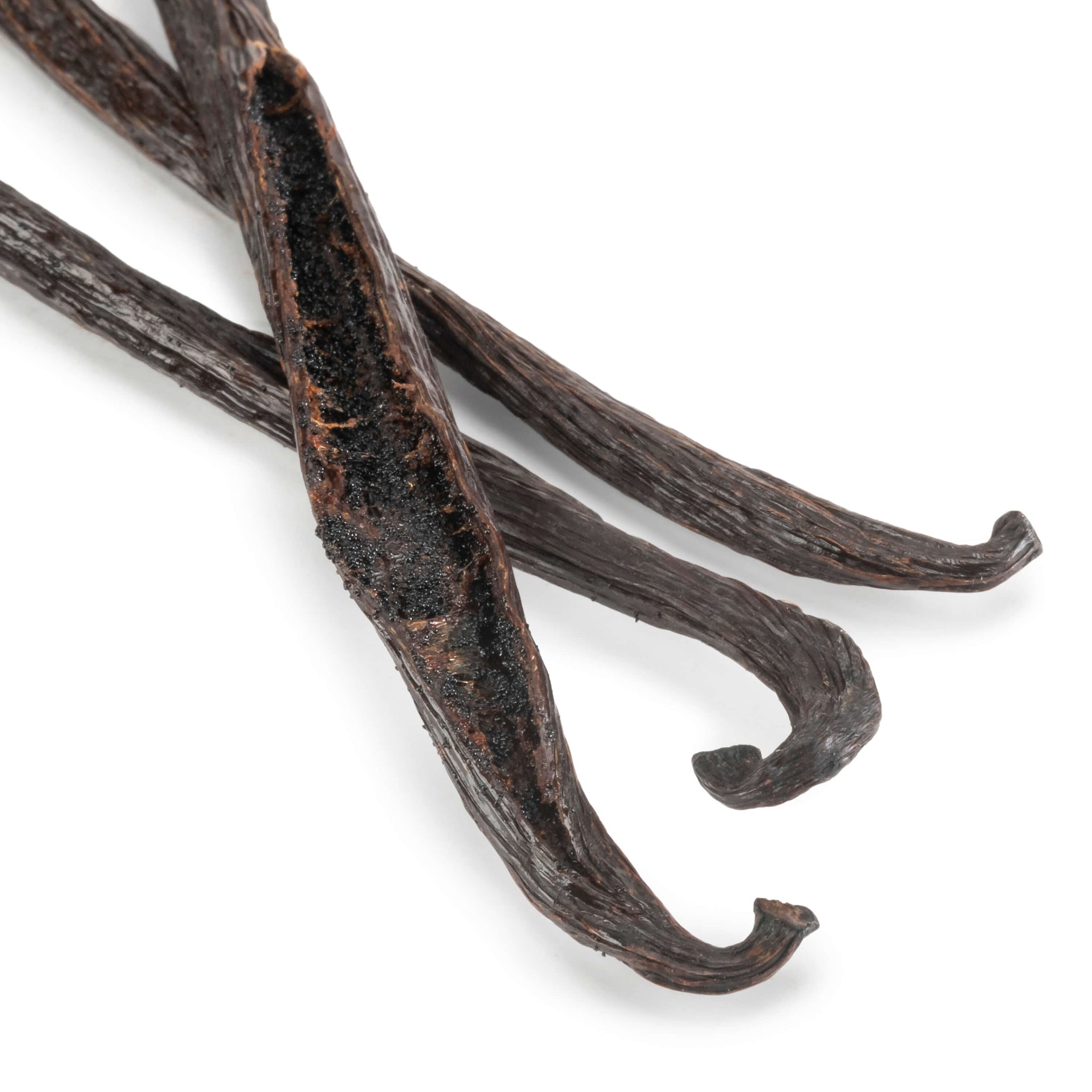
Extraction Grade Vanilla Beans from Uganda, perfect for rich flavorful vanilla extract
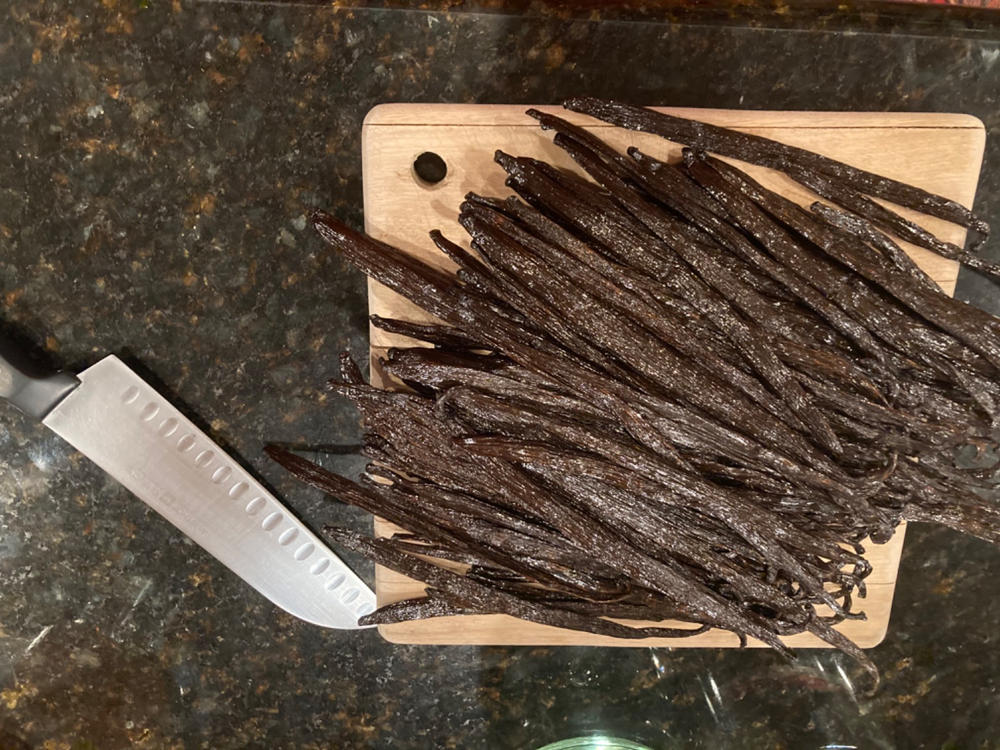
Purchase Grade B Ugandan vanilla beans (also referred to as extract beans), the ideal vanilla bean choice for making a rich and complex vanilla extract. The earthy, chocolate undertones of these Bourbon-type vanilla beans from East Africa are a flavor bomb in a bottle waiting to be released into your favorite recipes. Chop, split, or scrape, however you like to make vanilla extract is up to you, but we highly recommend you try these vanilla beans when doing so. Yes, we've all heard of Madagascar vanilla beans, but have you tried Ugandan vanilla? Add a little sustainable vanilla diversity to your life with high-quality vanilla beans from Uganda. If you prefer using gourmet Grade A vanilla beans when making vanilla extract, check out our gourmet Grade A Ugandan vanilla beans.
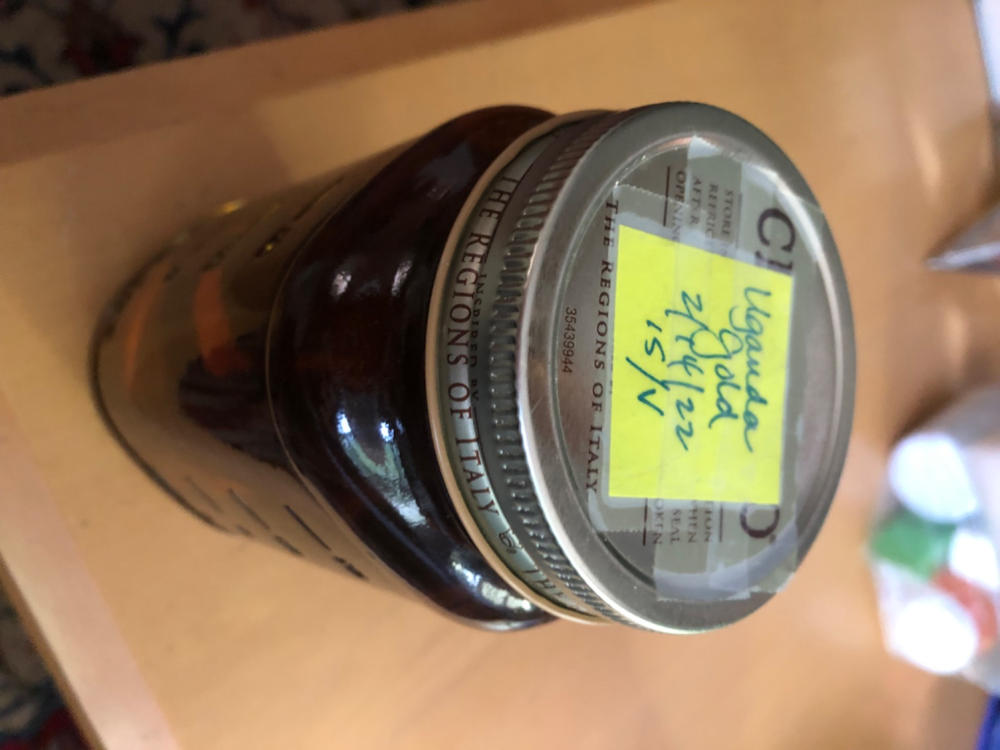
Ugandan Gold: Prized for Its High Vanillin Content
How to Use Ugandan Grade B Vanilla Beans for Extract
Two Distinct Vanilla Growing Seasons
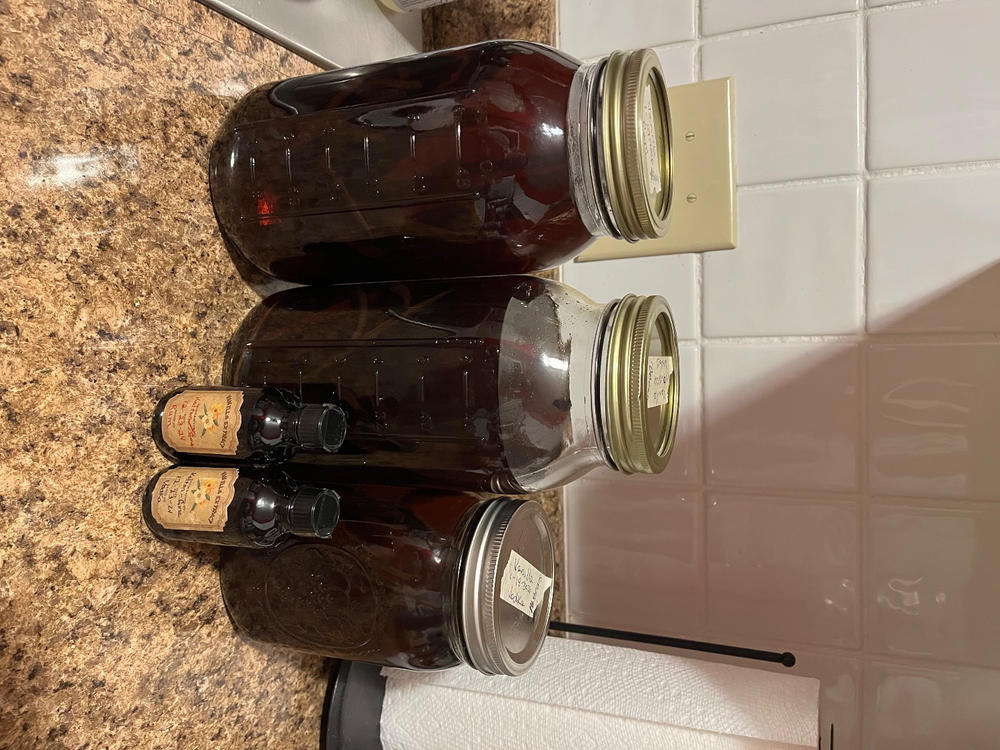
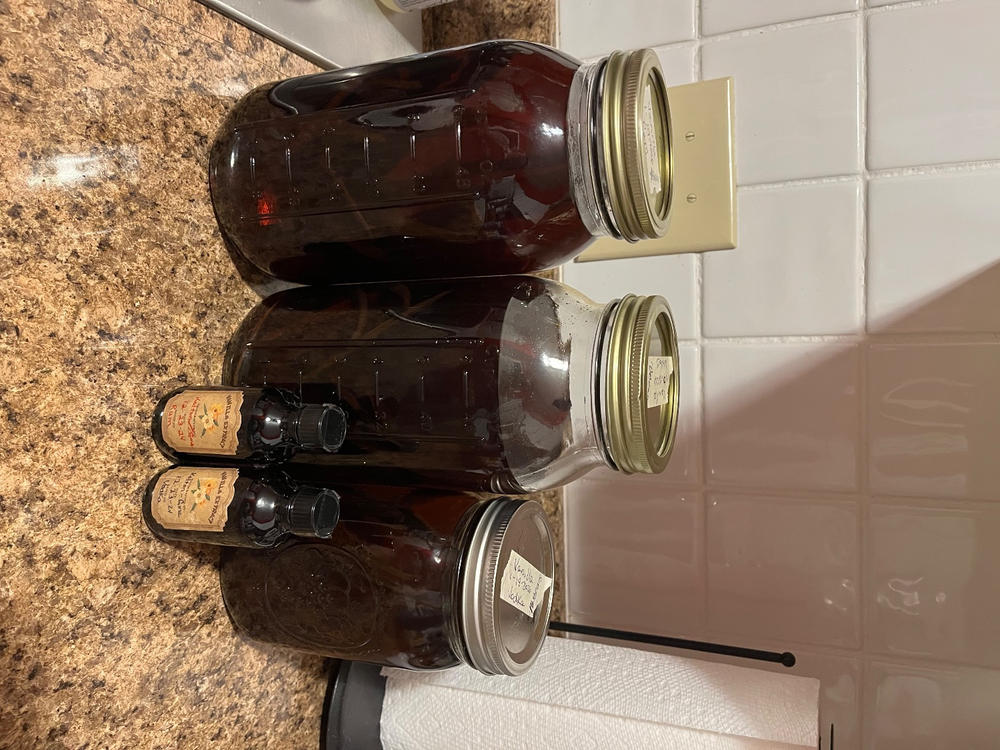
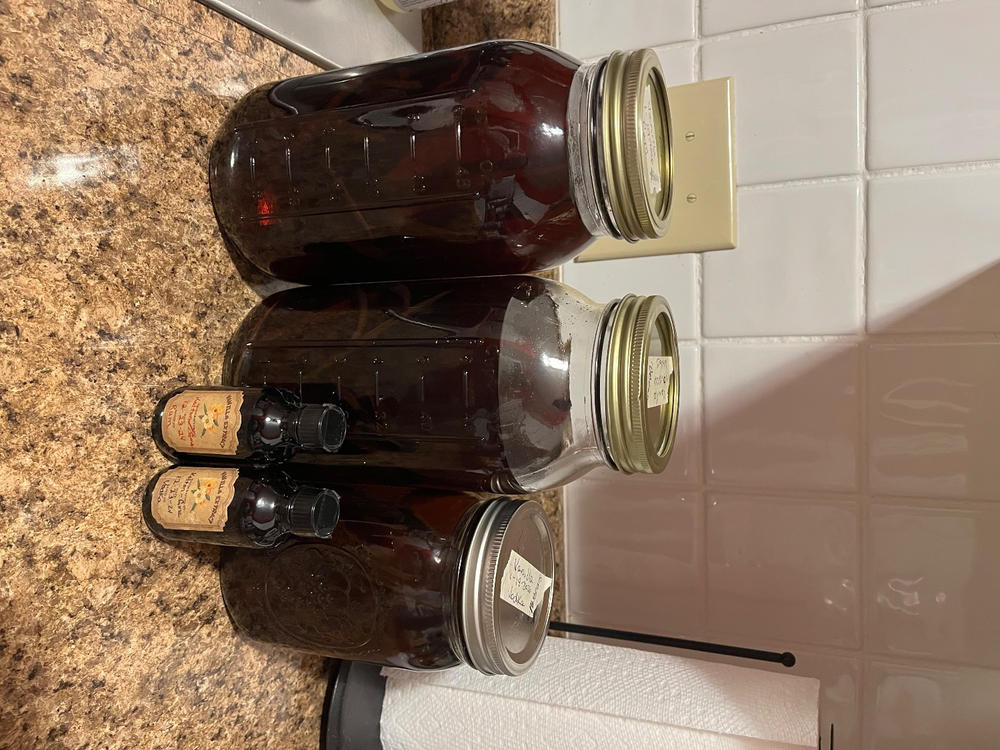
Chop or split the beans to expose more surface area, then steep in 35-40% alcohol, such as vodka, rum, or bourbon, for 6-12 weeks in a cool, dark place, shaking the container occasionally. Once beans are fully steeped, most of their flavor has transferred into the alcohol, so the spent pods are best discarded rather than reused. Beyond extract, these beans also work well for infusing cream bases, simple syrups, and general baking. For a full walkthrough, see our guide to making vanilla extract.
Unlike most vanilla-growing regions, which harvest once annually, Uganda benefits from two distinct growing seasons each year, meaning fresher beans are available more consistently rather than relying on a single yearly harvest like Madagascar and most other origins. Ugandan Bourbon vanilla (Vanilla planifolia) also tends to be denser and heavier than beans of similar length from other origins, giving it a bold, earthy flavor with chocolate undertones, distinct from the classic sweet, creamy profile most people associate with Madagascar vanilla. Whether you're an experienced extract maker looking to diversify your flavor profile or just curious to try something beyond the familiar, Ugandan vanilla is well worth exploring.
You may also like


Frequently Asked Questions
- Both are Vanilla planifolia, the Bourbon vanilla species, but Ugandan vanilla has a bolder, earthier flavor with chocolate undertones, distinct from the classic sweet, creamy profile of Madagascar vanilla. If you've only tried Madagascar vanilla before, Ugandan vanilla is a great way to explore a different, more complex flavor profile.
- No, it's a different classification, not a lower grade of flavor. Grade B (extract grade) beans simply don't meet the length or cosmetic standards for gourmet classification, but they carry the same rich, earthy Bourbon vanilla flavor. If you prefer gourmet Grade A beans for extract-making, we also carry gourmet Grade A Ugandan vanilla beans.
- Unlike most vanilla-producing regions, which harvest once per year, Uganda benefits from two growing seasons annually. This means fresher beans are available more consistently throughout the year, rather than relying on a single annual harvest like Madagascar and most other vanilla origins.
- Our Ugandan Grade B vanilla beans average 12-14 cm (4.7-5.5 inches) in length, with a moisture content of 23-27%. There are approximately 140-160 beans per pound on average, fewer than you'd typically expect for this size, since Ugandan beans tend to be denser and heavier than beans of similar length from other origins. Actual count can vary depending on bean length within a given batch.
- Chop, split, or scrape the beans, whichever method you prefer, then steep in 35-40% alcohol for 6-12 weeks in a cool, dark place. For a full walkthrough, see our guide to making vanilla extract.
- Store in an airtight container in a cool, dark place. Properly stored, they have a shelf life of approximately 12-18 months; vanilla beans will gradually dry out over time even under ideal storage conditions.
- These beans are sourced from small-scale vanilla farms in Uganda, East Africa, supporting sustainable and diversified vanilla sourcing beyond the more commonly known Madagascar supply chain.