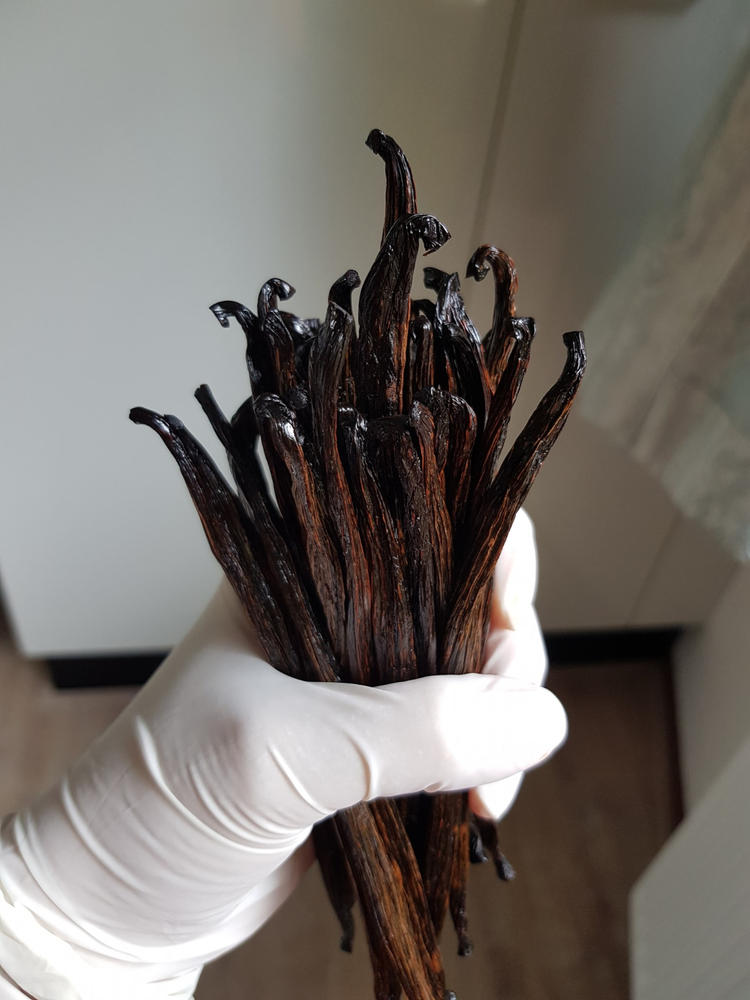
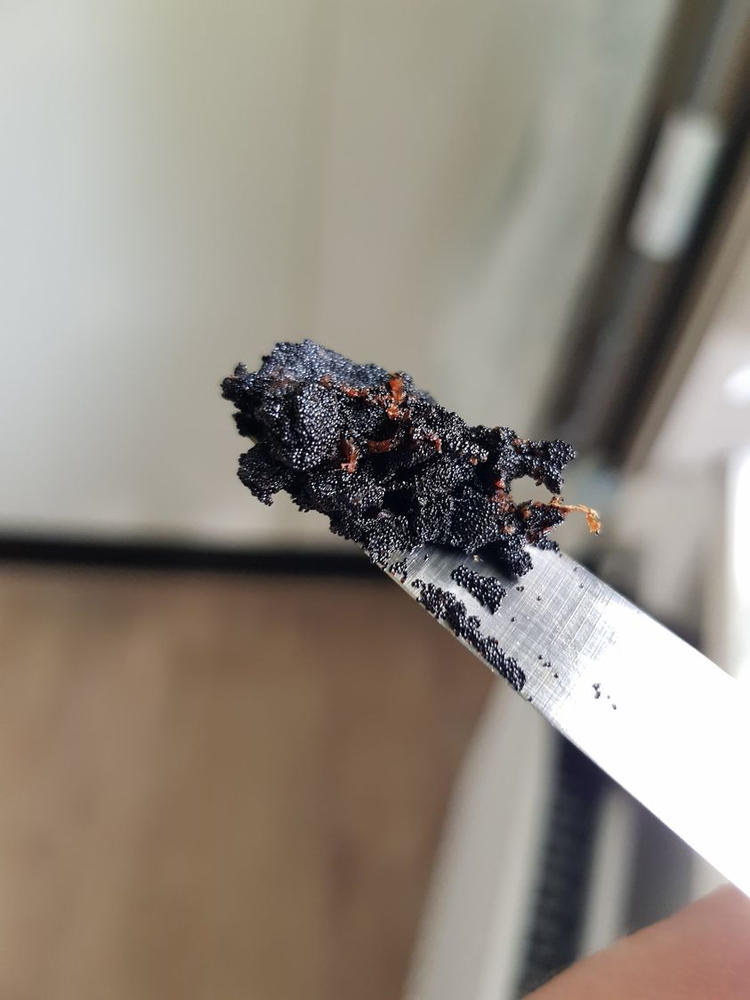
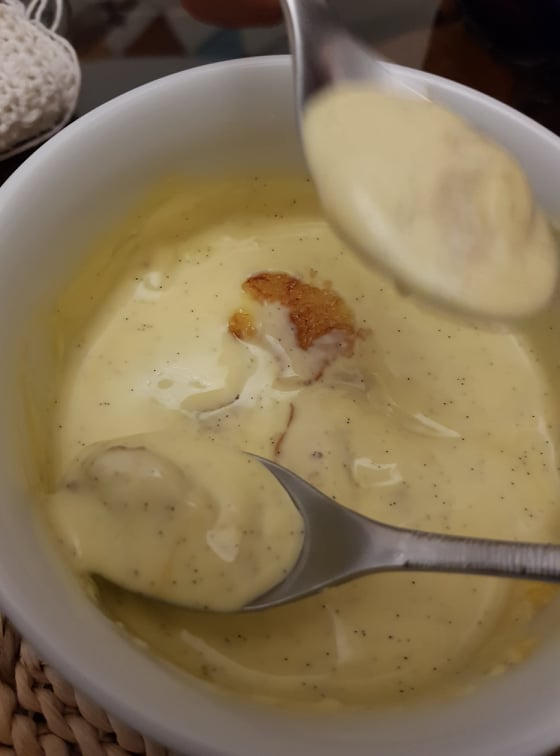
Extrait de gousses de vanille équatoriennes de catégorie B
Vanille de Tahiti d'Amérique du Sud
Current price: $18.99

Vanilla Beans
Excellent Product! Excellent Service!

I'm a convert
I've been making my own vanilla extract for over a decade and used to buy my beans based on reviews at a Infamous Global seller. Was never sure what I would get. Then I found this company! The beans were beautiful! Fragrant, moist but not too moist, easy to cut open to expose the seeds and each Bean was six to seven inches long. I'm a happy extract maker! 💝💃🥳
High Quality Vanilla - excellent customer service.
Slo Food group team takes great care of their customers. Received a broken bottle of Vanilla and it was immediately handled. Received my replacement bottle within 3 days.
This extract is used to make our Tahitian Vanilla Cakes!

Great place to get your spices
SLO Food group is the best place I have found to buy my vanilla beans, great customer service, fast shipping and very competitive prices. Thank you for helping me with my project, Vanilla extract. Thank you don young




This is a carousel with one large image and a track of thumbnails below. Select any of the image buttons to change the main image above.
Vanilla Beans
Excellent Product! Excellent Service!
I'm a convert
I've been making my own vanilla extract for over a decade and used to buy my beans based on reviews at a Infamous Global seller. Was never sure what I would get. Then I found this company! The beans were beautiful! Fragrant, moist but not too moist, easy to cut open to expose the seeds and each Bean was six to seven inches long. I'm a happy extract maker! 💝💃🥳
High Quality Vanilla - excellent customer service.
Slo Food group team takes great care of their customers. Received a broken bottle of Vanilla and it was immediately handled. Received my replacement bottle within 3 days.
This extract is used to make our Tahitian Vanilla Cakes!
Great place to get your spices
SLO Food group is the best place I have found to buy my vanilla beans, great customer service, fast shipping and very competitive prices. Thank you for helping me with my project, Vanilla extract. Thank you don young
How to Make Vanilla Extract
An easy to follow guide to making vanilla extract in your own kitchen
A Different Kind of Tahitian Vanilla

Same Species, New Origin
Genuine Vanilla tahitensis grown in Ecuador, sharing the same floral, fruity character as French Polynesian beans, at a more accessible price.

A Complex Flavor Profile
Notes of stone fruit, green apple, sour cherry, passion fruit, and prickly pear make this one of the most nuanced vanilla flavor profiles available.

Extract-Ready, FDA-Standard
Every size includes a printed extraction recipe based on the FDA's standard definition of vanilla extract, so results are consistent every time.

More Than Just Extract
From crème anglaise to body scrubs, this vanilla's versatility extends well past the extract bottle.
Technical Specifications
| Origin | Ecuador |
|---|---|
| Species | Vanilla tahitensis (Tahitian-Type) |
| Grade | Extract Grade B |
| Size | Avg 4.5-5 Inches (11.4-12.7 cm) |
| Color/Appearance | Dark Black with Light Red Variegation; May Contain Minor Cosmetic Blemishes |
| Certifications | Kosher, GMP |
| Flavor Profile | Fruity, Floral, Deep and Complex |
| Tasting Notes | Stone Fruits, Green Apple, Sour Cherry, Passion Fruit, Honey, Prickly Pear, Plum, Apricot |
| Uses | Homemade Vanilla Extract, Vanilla Sugar, Body Scrubs, Crème Anglaise, Caramel, Baking, Yogurt, Almond Milk |
| Extraction Ratio | 0.83 oz Vanilla per 8 oz Alcohol (FDA Single-Fold Standard) |
| Extraction Time | Minimum 90 Days, Shaking Weekly |
| Sourcing | Same Region as Gourmet Grade A Ecuadorian Vanilla |
| Shelf Life | 12-18 Months When Properly Stored; Beans Will Gradually Dry Out Over Time |
| Packaging | Food-Grade Vacuum-Sealed Barrier Film Bag |
Tahitian Grade B Vanilla Beans from Ecuador
Commonly referred to as extract grade beans, Tahitian-type Ecuadorian vanilla beans are smaller than our premium Grade A variety. Not to worry, though, as this type of vanilla bean still packs a full-flavored punch that makes outstanding vanilla extract. The end result is fruity, floral, and much deeper in complexity than other Tahitian vanilla beans. To us, these vanilla beans have an aroma with notes of stone fruits, green apple, sour cherry, passion fruit, with a touch of honey, and prickly pear.
About These Extraction Grade Vanilla Beans
How to Use These Vanilla Beans
To Make Vanilla Extract
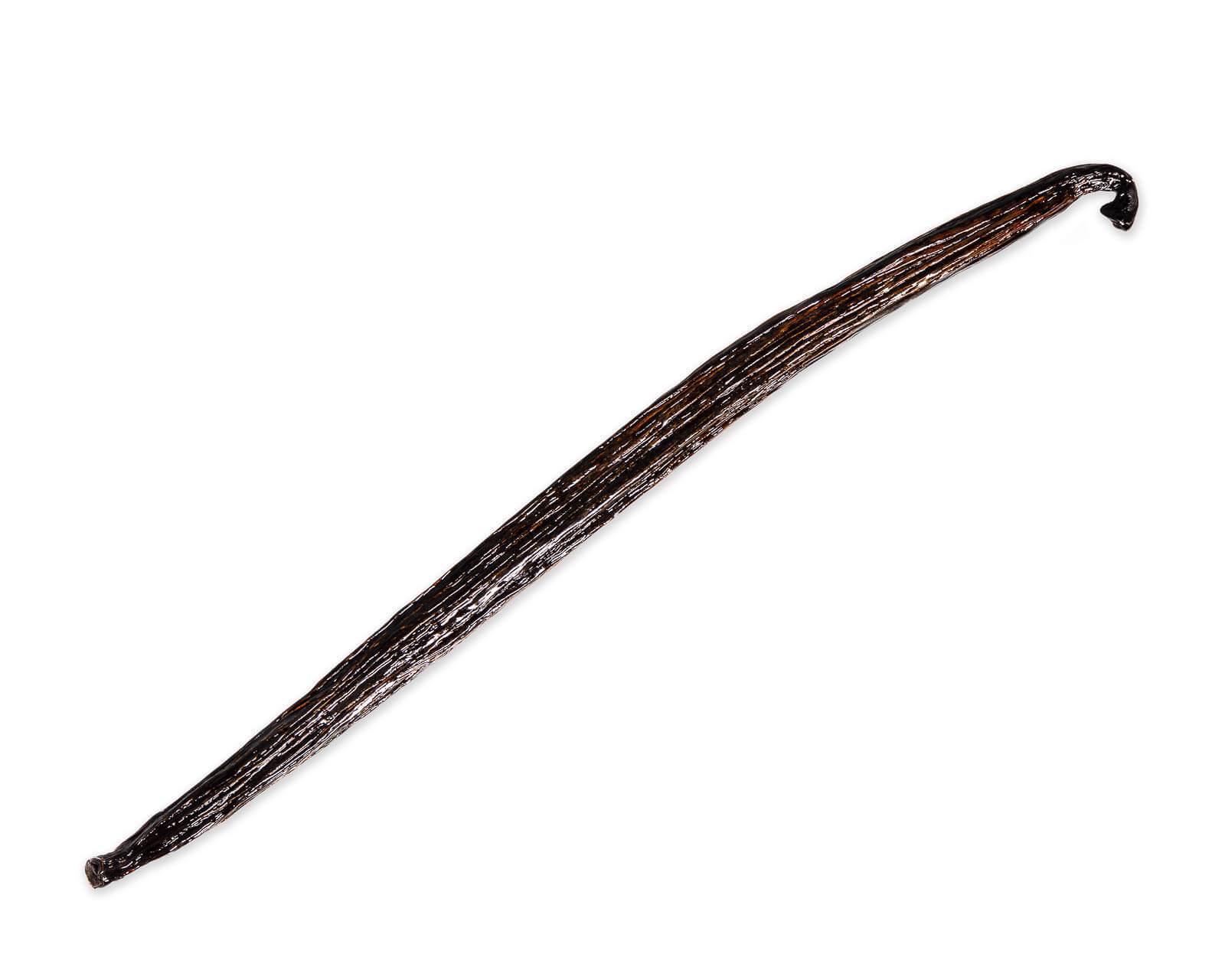
- Smaller than gourmet vanilla, with an average pod length of 4.5-5 inches
- May contain minor cosmetic blemishes
- Soft, beautiful, oily sheen and aroma that tastes of cherry, plum, and apricot
- Sourced directly from Ecuador; Vanilla tahitensis, not to be confused with Vanilla planifolia
- Dark black in color with light red variegation, full of tiny vanilla seeds
- All-natural, gluten-free, and Kosher certified
Recommended for making vanilla extract. Also great for basic cooking and baking applications such as vanilla sugar, body scrubs, crème anglaise, caramel, cakes, cookies, yogurt, almond milk, and more. Try adding a bit of vanilla to your honey or maple syrup for a simple vanilla-scented treat.
Step one: Chop, split, or scrape 0.83 ounces of vanilla beans for every eight ounces of alcohol. It doesn't matter whether you chop, split, or scrape a vanilla bean when making extract, the most important factor is exposing both the inner and outer surface area of the pod to the alcohol.
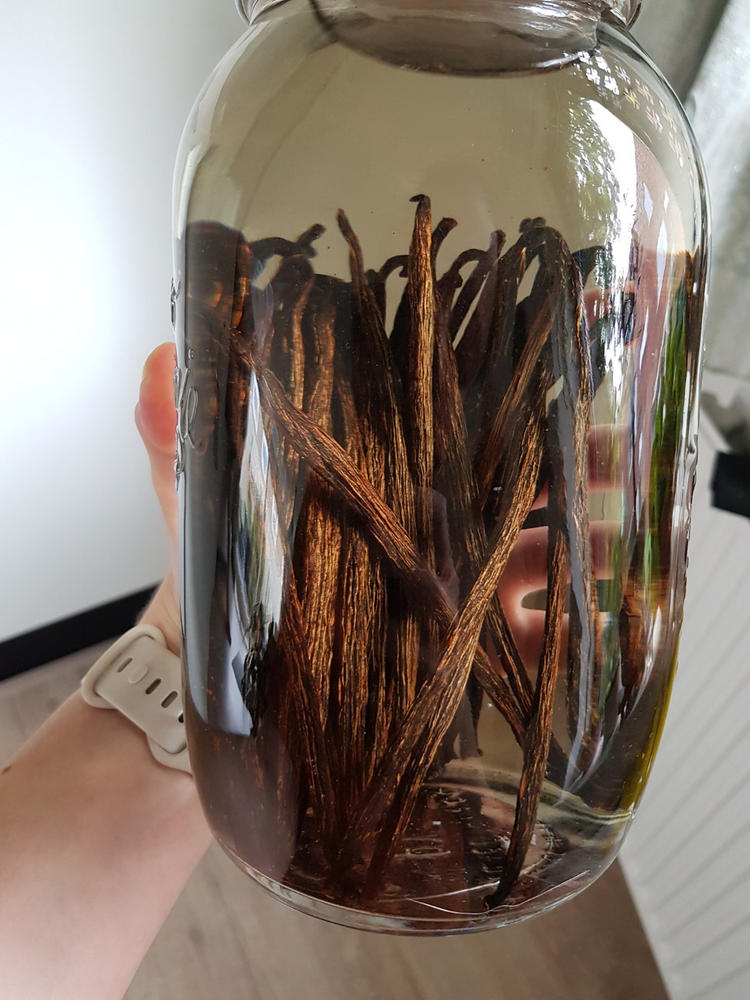
Step two: Add the vanilla beans to a jar and cover with the recommended amount of alcohol. Not sure how much you'll need? Each size comes with a vanilla extract recipe printed right on the label, based on the FDA's standard definition of vanilla extract, so you can be sure of a full-flavored result every time.
Step three: Seal tightly and shake like you're a bartender in college. Continue shaking at least once a week for a minimum of 90 days. Some people prefer to age longer, but the choice is up to you.
Step four: Strain the vanilla through a small strainer, coffee filter, or chinois, and bottle. If you're making vanilla extract for gifts, we highly recommend making one large batch and dividing it into smaller gift-sized bottles once fully aged.
Making one large batch ensures a consistent flavor profile for everyone, and it lets you filter out the vanilla pulp that commonly floats in a jar of homemade extract. The result is a beautiful, clean, dark amber liquid full of flavor, looking just as good as, or better than, any name brand.
Looking for authentic vanilla from Tahiti? You can find that at Slofoodgroup too. Sweet, floral, and cured with a higher humidity level than traditional vanilla beans, Tahiti vanilla produces some of the plumpest vanilla beans you'll ever see, a delicacy adored by chefs around the world, and ready to be enjoyed in your own home and baked goods.
Why "Tahitian" Doesn't Always Mean Tahiti
Vanilla tahitensis, commonly called "Tahitian vanilla," originated on the island of Tahiti, but today it's grown in several countries, including Ecuador, Papua New Guinea, and true Tahiti itself. These beans are Ecuador-grown Vanilla tahitensis, sharing the same floral, fruity character the species is known for, at a more accessible price point than beans grown in French Polynesia. It's the same species, just a different origin, similar to how coffee grown in different countries carries the same variety but distinct regional character.
You may also like


Frequently Asked Questions
- Yes. Vanilla tahitensis originated on the island of Tahiti, but today it's grown in several countries, including Ecuador, Papua New Guinea, and true Tahiti itself. These beans are the same species as vanilla grown in French Polynesia, just from a different growing region, at a more accessible price point.
- No, it's a different classification, not a lower grade of flavor. These beans come from the same species and region as our gourmet Grade A Ecuadorian vanilla, simply smaller and less cosmetically uniform. For extract-making, this makes no difference to the final flavor.
- Chop, split, or scrape 0.83 ounces of vanilla beans for every eight ounces of alcohol, then seal in a jar and shake weekly for a minimum of 90 days. Strain through a coffee filter or fine strainer before bottling. Each size includes a printed recipe based on the FDA's standard definition of vanilla extract.
- Expect a fruity, floral, and complex flavor with notes of stone fruit, green apple, sour cherry, passion fruit, honey, prickly pear, plum, and apricot, distinct from the classic sweet, creamy profile of Bourbon-type vanilla.
- Beyond extract, these beans work well in vanilla sugar, body scrubs, crème anglaise, caramel, baking, yogurt, and almond milk, or steeped directly into honey or maple syrup for a simple vanilla-scented treat.