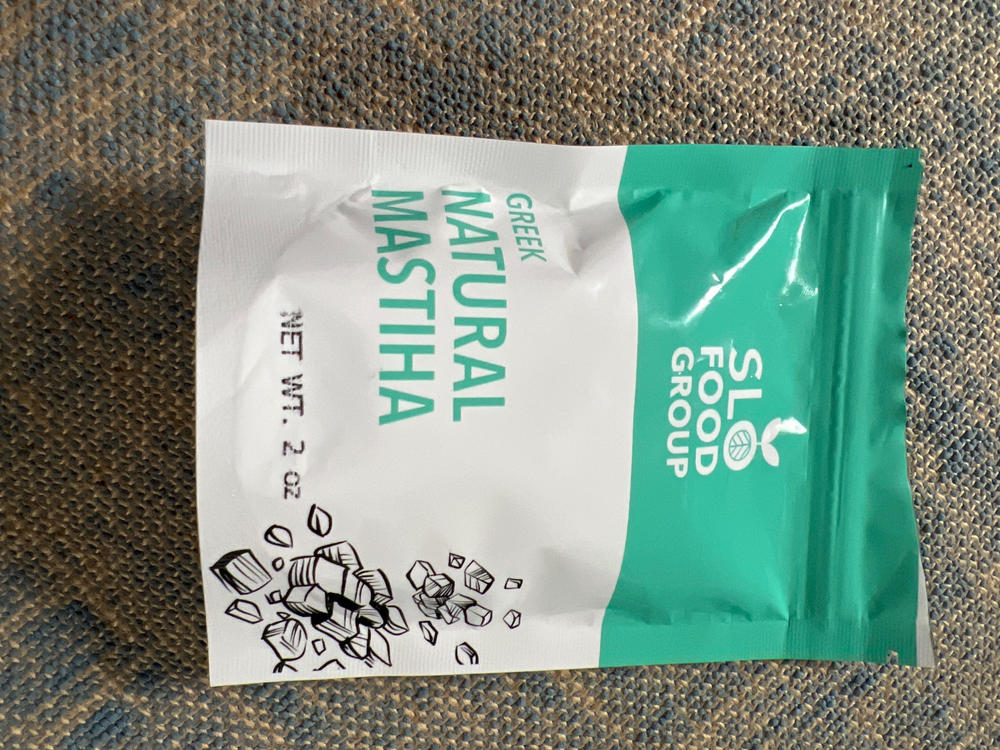
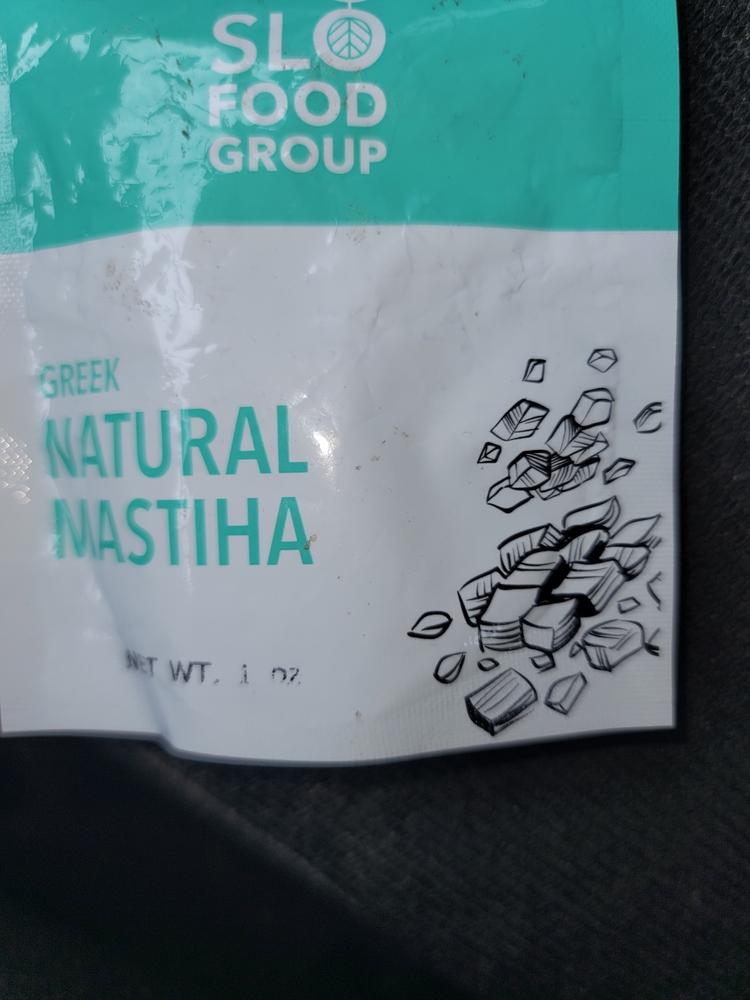
Chios Mastiha Mastic Tears from Greece
Les larmes naturelles de Chios
Current price: $12.50

Vanilla Beans
Excellent Product! Excellent Service!

I'm a convert
I've been making my own vanilla extract for over a decade and used to buy my beans based on reviews at a Infamous Global seller. Was never sure what I would get. Then I found this company! The beans were beautiful! Fragrant, moist but not too moist, easy to cut open to expose the seeds and each Bean was six to seven inches long. I'm a happy extract maker! 💝💃🥳
High Quality Vanilla - excellent customer service.
Slo Food group team takes great care of their customers. Received a broken bottle of Vanilla and it was immediately handled. Received my replacement bottle within 3 days.
This extract is used to make our Tahitian Vanilla Cakes!

Great place to get your spices
SLO Food group is the best place I have found to buy my vanilla beans, great customer service, fast shipping and very competitive prices. Thank you for helping me with my project, Vanilla extract. Thank you don young



This is a carousel with one large image and a track of thumbnails below. Select any of the image buttons to change the main image above.
Vanilla Beans
Excellent Product! Excellent Service!
I'm a convert
I've been making my own vanilla extract for over a decade and used to buy my beans based on reviews at a Infamous Global seller. Was never sure what I would get. Then I found this company! The beans were beautiful! Fragrant, moist but not too moist, easy to cut open to expose the seeds and each Bean was six to seven inches long. I'm a happy extract maker! 💝💃🥳
High Quality Vanilla - excellent customer service.
Slo Food group team takes great care of their customers. Received a broken bottle of Vanilla and it was immediately handled. Received my replacement bottle within 3 days.
This extract is used to make our Tahitian Vanilla Cakes!
Great place to get your spices
SLO Food group is the best place I have found to buy my vanilla beans, great customer service, fast shipping and very competitive prices. Thank you for helping me with my project, Vanilla extract. Thank you don young
The World's First Chewing Gum

Genuine Chios Mastiha
Harvested from the southern shores of Chios, Greece, the only place in the world true Pistacia lentiscus mastic resin comes from.

Real Species, Real Potency
Backed by internal quality records confirming genuine species identity and a masticadienonic and isomasticadienonic acid content above 12%.

Recognized Cultural Heritage
The traditional harvesting of Chios mastic is recognized by UNESCO as Intangible Cultural Heritage of Humanity, a centuries-old craft passed down through generations.

A Flavor Like No Other
Piney, resinous, and aromatic with notes of fennel, lemon, and mint, mastiha brings a flavor no other spice or resin can replicate.
Technical Specifications
| Origin | Chios, Greece |
|---|---|
| Botanical Name | Pistacia lentiscus |
| Common Names | Mastic Gum, Chios Mastiha, Mastic Tears |
| Species Verification | Species identity as authentic Pistacia lentiscus confirmed through internal quality records maintained as part of our sourcing process |
| Potency | Masticadienonic and Isomasticadienonic Acid Content Greater Than 12% |
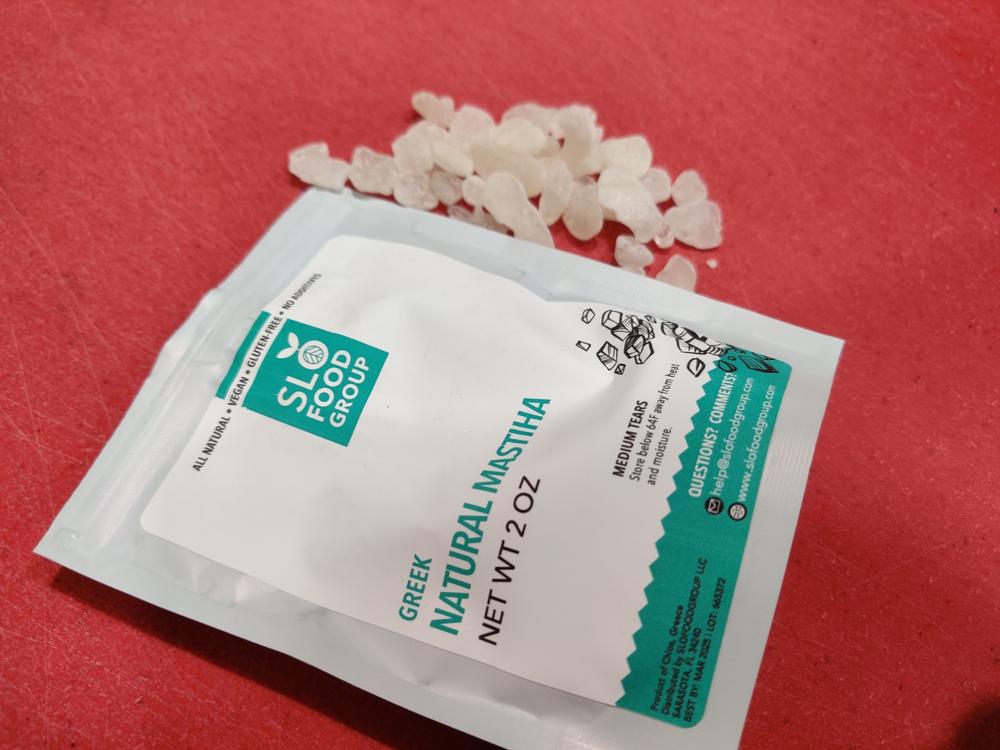
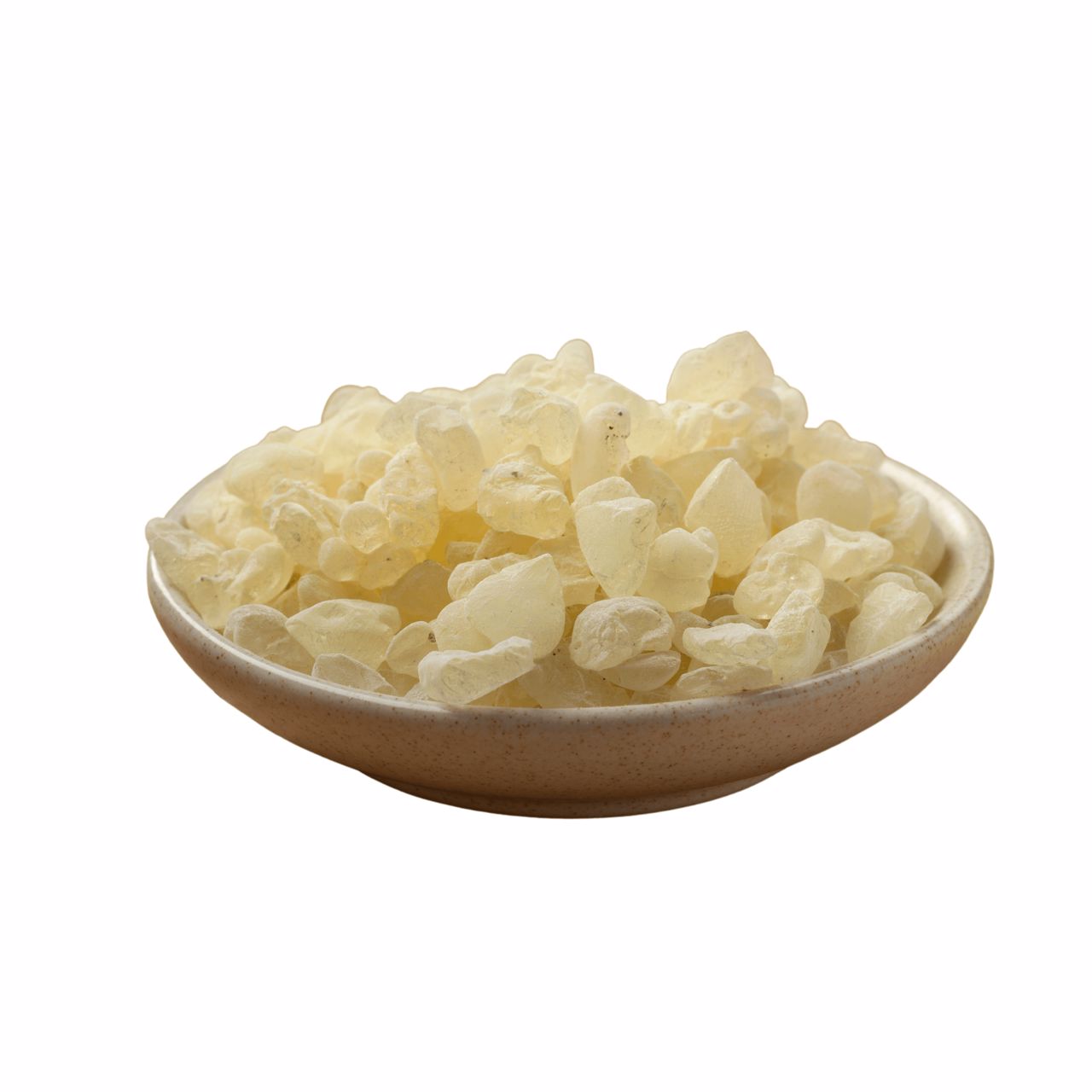
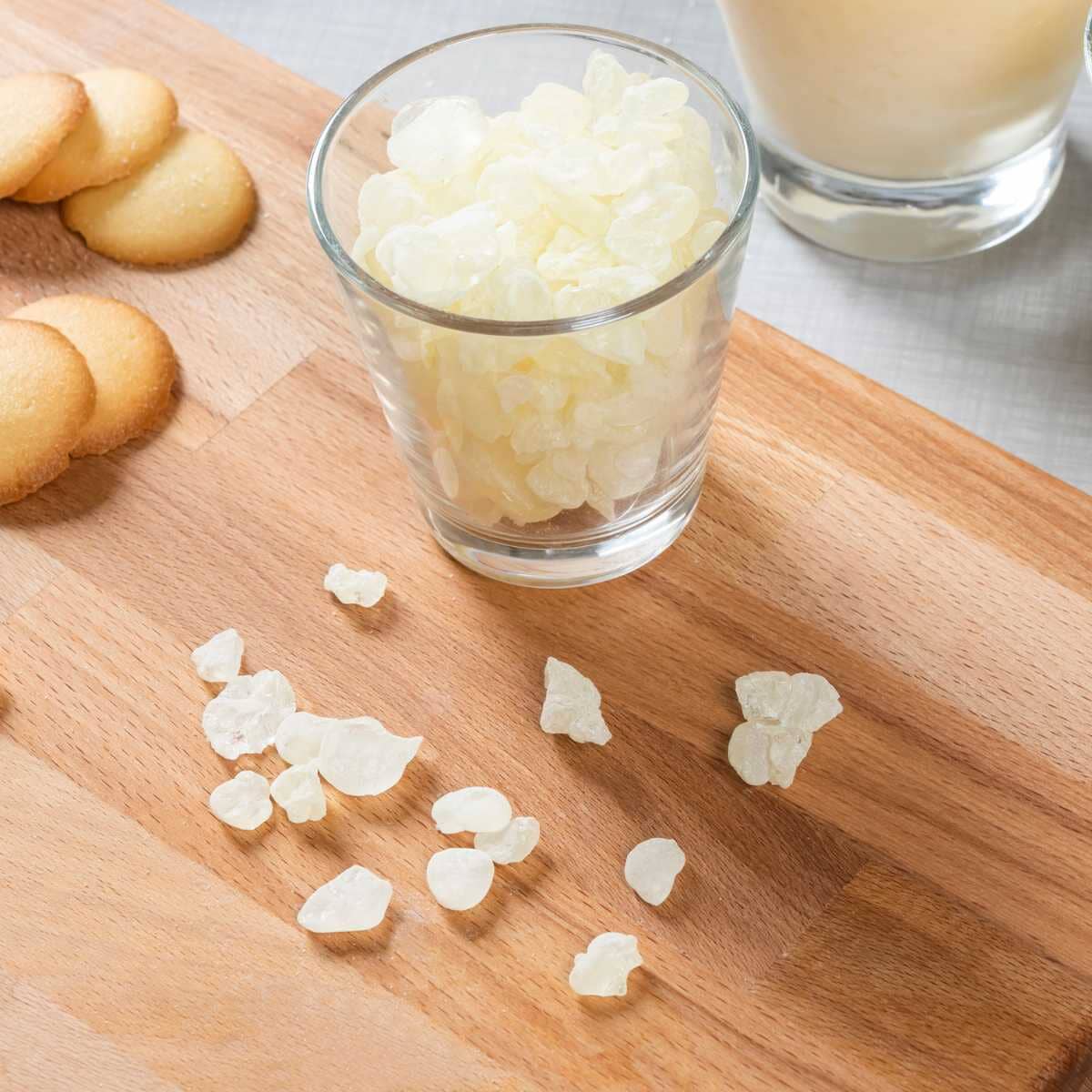
| Color/Appearance | Transparent to Opaque, Off-White to Yellowish, Crystalline Teardrop Shape; Larger Tears Softer, Smaller Tears Harder |
| Ingredients | 100% Pure Mastic Resin, No Fillers or Additives |
| Recognition | Traditional Harvesting Recognized by UNESCO as Intangible Cultural Heritage of Humanity |
| Flavor Profile | Piney, Resinous, Bold, Earthy, Sappy |
| Tasting Notes | Fennel, Lemon Zest, Anise, Mint |
| Uses | Baking (Tsoureki), Ice Cream, Turkish Delight, Marinades, Digestifs, Cocktails, Savory Seasoning, Natural Chewing Gum |
| Pairing | Cinnamon, Cardamom, Lamb, Poultry, Fish |
| Preparation Tip | Freeze Before Grinding to Prevent Melting/Sticking; Mix Tear Sizes for Consistent Texture |
| Storage | Below 64°F (18°C) Short-Term; Below 57°F (14°C) for Longer Storage or Summer Months |
| Shelf Life | 24-36 Months |
| Packaging | Food-Grade Pouch or Bag |
Authentic Mastic Gum from the Greek Island of Chios
The aromatic and air-dried resinous sap from the tree Pistacia lentiscus is known as the first natural chewing gum in the world. The mastic tree grows solely on the southern shores of Chios. Once dried, the tears are ideal for cocktails, ice creams, and used in an array of traditional culinary practices, alongside other Mediterranean staples like our Mediterranean oregano.
Our mastiha is one hundred percent an all-natural product sourced from Chios, Greece. Chios mastiha does not contain any fillers, additives, or additional ingredients.
What to Look for When Buying Mastic Gum
How to Use Mastic Tears
Authentic by Nature
Appearance should be transparent or opaque with crystalline granules in varying teardrop shapes and sizes. The color will be off-white to yellowish. This aromatic and resinous matter comes from the sap of Pistacia lentiscus, an evergreen related to the pistachio tree. It can be used as a dinner digestive, in cakes, spirits, beverages, and nutritional products.
The bold and aromatic character is due to the concentrated resinous nature of the product. Mastic can be described as delicately piney with notes of fennel, lemon zest, anise, and even mint. The flavor is refreshing, earthy, and sappy, and can be easily overpowered in spice mixes. Try some today and let us know what you think.
To use mastic tears in cooking or baking, freeze them for several hours first, this keeps the resin firm and prevents it from melting or sticking as you work with it. Once chilled, grind the tears using a mortar and pestle, or pulse them in a blender in short bursts, stopping frequently so the friction heat doesn't melt the resin back together. Mastic is typically ground with a small amount of sugar or salt, which helps keep the particles separated and makes it easier to fold evenly into a recipe.
Once ground, use mastic sparingly, its flavor is concentrated and can easily overpower a dish if you use too much. A pinch (roughly 1/4 to 1/2 teaspoon) is usually enough for a batch of dough, custard, or ice cream base. It's traditionally worked into tsoureki (Greek Easter bread), mastic ice cream, and Turkish delight, and also appears in Egyptian chicken dishes paired with cinnamon or cardamom.
To use mastic tears as a natural chewing gum, start with just one or two whole tears. They'll be hard at first, so let them sit in your mouth for a minute to soften before chewing. As you chew, mastiha will initially feel brittle and may crumble a bit, this is normal. Keep chewing patiently, and the pieces will gradually soften and come together into a cohesive, chewable gum, similar to how flavorless gum base behaves before it's fully worked. Once softened, it can be chewed for an extended period, much like conventional chewing gum, and offers a naturally piney, slightly bitter flavor that mellows the longer you chew.
Our Chios Mastiha is backed by internal quality records maintained as part of our sourcing process, confirming genuine species identity as authentic Pistacia lentiscus. Potency testing shows masticadienonic and isomasticadienonic acid content above 12%, the compounds responsible for mastiha's signature resinous character.
Storing and Working With Mastiha
Because mastiha is a natural tree resin, it softens in warm temperatures and can stick together, especially during summer months or if left at room temperature for extended periods. Clumping tends to happen most with larger, softer tears, since they hold more moisture and are more prone to melting together in heat. This isn't a defect or sign of poor quality, it's simply a natural property of the resin. For best results, keep mastiha stored below 64°F (18°C) for short-term storage, and below 57°F (14°C) if storing for longer than a week or during warmer months. If your mastiha has softened or clumped together, simply place it in the freezer for a few hours; once fully chilled, it will firm back up and separate easily, making it simple to break apart or grind.
You may also notice that individual tears vary in hardness, some softer, some firmer, depending on their size. This is another natural characteristic rather than a defect: larger tears tend to be softer since they retain more moisture, while smaller tears dry out and harden faster. If you're grinding mastiha for a recipe and want a more consistent texture, try mixing tears of different sizes together before grinding, this helps even out the final consistency rather than relying on a single tear size alone.


Frequently Asked Questions
- Mastic gum is a unique resin that comes from the mastic tree of the Mediterranean, harvested exclusively on the Greek island of Chios. It is used in both savory and sweet recipes.
- Yes. Our mastiha is backed by internal quality records maintained as part of our sourcing process, confirming genuine species identity as authentic Pistacia lentiscus.
- Mastic gum is available for purchase at Slofoodgroup.
- Yes, mastic gum is safe to ingest and can be used as a natural chewing gum, just as it traditionally has been for centuries.
- Mastic gum can be used in both sweet and savory recipes. It works well in custards, tarts, and ice creams, and can be used in marinades, olive oils, and vinegar, or as a seasoning for lamb, fish, poultry, or salads. It can also be used as chewing gum.
- Mastiha is a natural tree resin and softens in warm temperatures, especially during summer or at room temperature. Larger, softer tears are most prone to this. This isn't a defect, simply place it in the freezer for a few hours to firm it back up before breaking or grinding.
- No, mastic gum does not dissolve in water.