


Hand Picked Turkish Bay Leaves
Current price: $8.00

Vanilla Beans
Excellent Product! Excellent Service!

I'm a convert
I've been making my own vanilla extract for over a decade and used to buy my beans based on reviews at a Infamous Global seller. Was never sure what I would get. Then I found this company! The beans were beautiful! Fragrant, moist but not too moist, easy to cut open to expose the seeds and each Bean was six to seven inches long. I'm a happy extract maker! 💝💃🥳
High Quality Vanilla - excellent customer service.
Slo Food group team takes great care of their customers. Received a broken bottle of Vanilla and it was immediately handled. Received my replacement bottle within 3 days.
This extract is used to make our Tahitian Vanilla Cakes!

Great place to get your spices
SLO Food group is the best place I have found to buy my vanilla beans, great customer service, fast shipping and very competitive prices. Thank you for helping me with my project, Vanilla extract. Thank you don young




This is a carousel with one large image and a track of thumbnails below. Select any of the image buttons to change the main image above.
Vanilla Beans
Excellent Product! Excellent Service!
I'm a convert
I've been making my own vanilla extract for over a decade and used to buy my beans based on reviews at a Infamous Global seller. Was never sure what I would get. Then I found this company! The beans were beautiful! Fragrant, moist but not too moist, easy to cut open to expose the seeds and each Bean was six to seven inches long. I'm a happy extract maker! 💝💃🥳
High Quality Vanilla - excellent customer service.
Slo Food group team takes great care of their customers. Received a broken bottle of Vanilla and it was immediately handled. Received my replacement bottle within 3 days.
This extract is used to make our Tahitian Vanilla Cakes!
Great place to get your spices
SLO Food group is the best place I have found to buy my vanilla beans, great customer service, fast shipping and very competitive prices. Thank you for helping me with my project, Vanilla extract. Thank you don young
Why Buy Turkish Bay Leaves?

True Mediterranean Bay Leaf
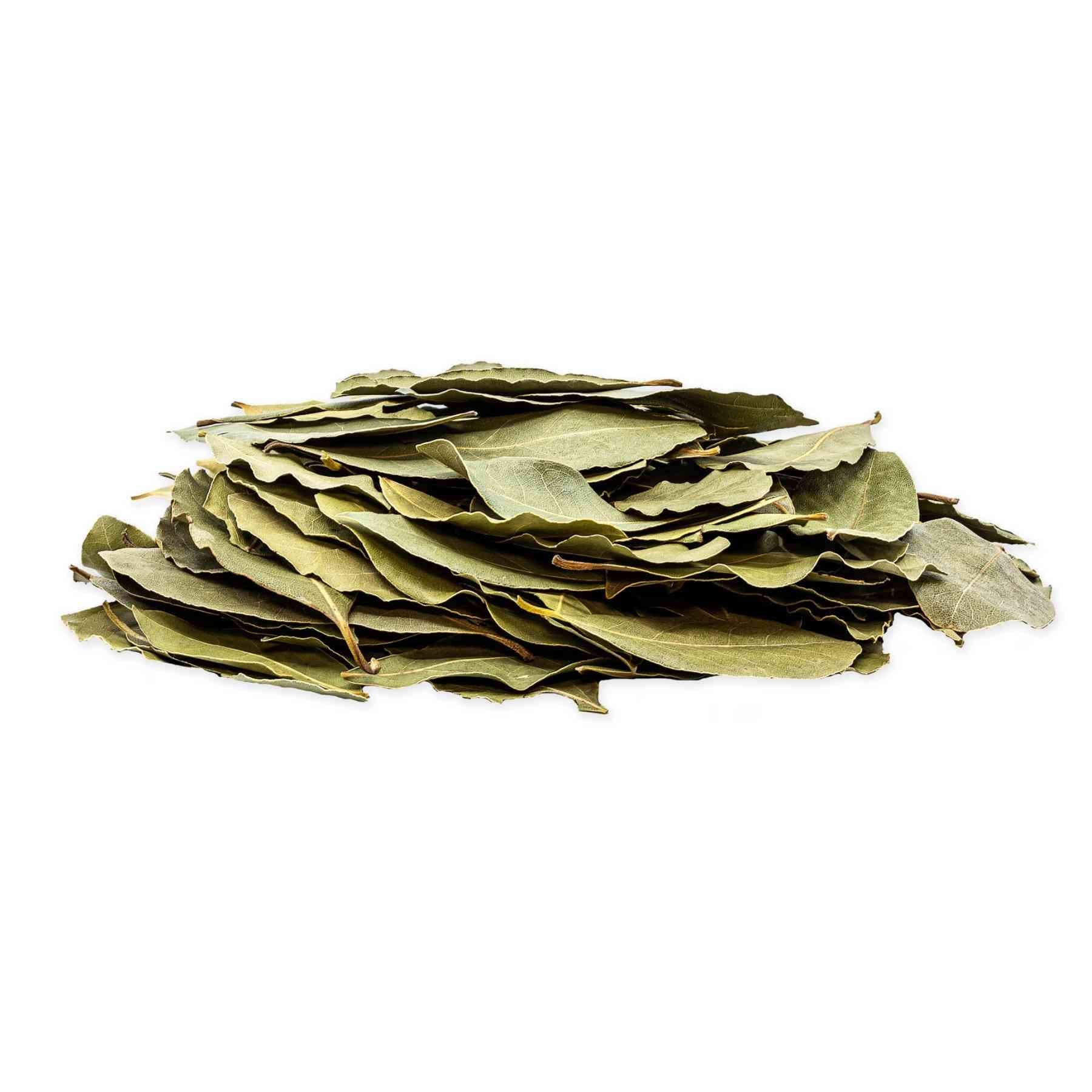
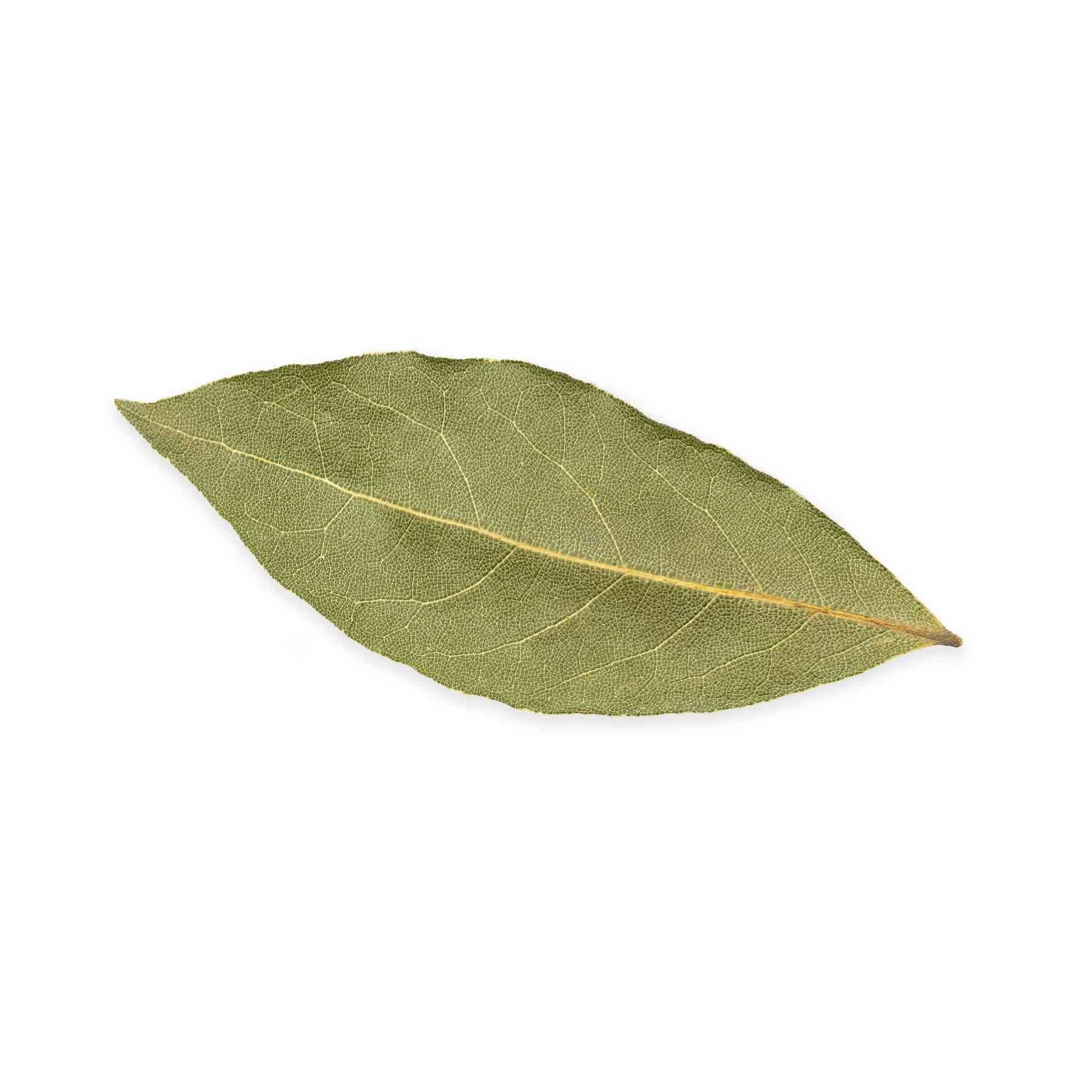
Turkish bay leaf (Laurus nobilis) is the authentic Mediterranean laurel used in classic French and Mediterranean cooking. Unlike California bay leaf, it offers a milder, more refined herbal flavor that won't overpower a dish.

Hand-Selected Quality
Each batch is hand-selected for size, color, and aroma. As with any naturally dried leaf, some breakage is a normal part of the drying and handling process, but our selection process ensures you're getting genuine, high-quality Turkish bay leaf, not fillers

High Essential Oil Content
Grown in the mineral-rich Aegean region, our Turkish bay leaves retain a strong concentration of essential oils, delivering a bold, aromatic depth that holds up through long, slow-cooked dishes.

Long Shelf Life
Properly dried and packaged, our bay leaves stay fresh and flavorful for up to 36 months, making them a reliable staple to keep stocked in any pantry.
Technical Specifications
| Origin | Turkey (Türkiye) |
|---|---|
| Botanical Name | Laurus nobilis |
| Common Names | Bay Leaf, Turkish Bay Leaf, Laurel Leaf, Bay Laurel |
| Form | Whole, Hand-Selected Dried Leaves |
| Ingredients | Hand-Selected Whole Bay Leaves, No Additives |
| Certifications | Kosher, GMP |
| Native Habitat | Mediterranean Basin |
| Flavor Profile | Herbal, Subtle Eucalyptus Note, Slightly Sweet |
| Uses | Soups, Stocks, Braises, Demi-Glace, Bouquet Garni, Sachet d'Épices, Garam Masala |
| Traditional Use | Classical French Cooking (Bouquet Garni) |
| Not To Be Confused With | California Bay Leaf (Umbellularia californica) — Different Species; Stronger, More Bitter Flavor Than Milder Turkish Bay Leaf |
| Storage | Cool, Dry Place, Tightly Closed Container |
| Shelf Life | 36 Months |
| Packaging | Food-Grade Bag or Pouch, Bulk Orders are Packaged in Boxes with Food-Grade Liners |
Shop Hand Picked Dried Bay Leaves For Cooking
First used commonly in Mediterranean cuisine, due to its native origin where it once flourished around the Mediterranean Basin. The essential oils of the laurel leaf provide immense flavor when used properly. As a young cook, attending culinary school, I was first introduced to bay leaves for classical French cooking. The leaves were used by adding to soups or in unison with other spices and herbs called a Bouquet Garni, or "Sachet d'Épices (Spice Sachet).
Why do you need to buy bay leaves for cooking
Fresh bay leaves or dried bay leaves what is the difference?
How to Cook with Bay Leaves
Hand picked Turkish bay leaves are a truly essential ingredient but do not take our word for it. Try making a chicken or turkey stock without bay leaf. The stock will work out but the result will be rather heavy and quite flat. Often lacking the dimension and depth that the bay leaf brings to the liquid.
Even some variations of Indian Garam Marsala use bay leaf.
Most fresh bay leaves in the United States come from bay trees grown in California. Though these are not the same as those from the mediterranean. California bay leaves comes from the Umbellularia californica, it is a member of the Lauraceae family but true bay leaves come from Laurus nobilis.
While the Californian variety does have a slightly similar flavor profile it is often stronger and can get bitter when left in the cooking process too long. Both varieties of bay leaves are practical in cooking but the subtle complexity the dried Turkish version provide is one that cannot be duplicated.
Facts about Slofoodgroup Bay Leaves
Ingredients: Hand Selected Whole Bay Leaves
Flavor profile: herbal, a touch of eucalyptus, sweet
Shelf life: 36 months
Storage: Store in a cool dry area in tightly close container
Country of origin: Turkey
You may also like


Frequently Asked Questions
- Bay leaves provide a subtle, earthy, and slightly floral flavor to dishes. They are often used to add depth and complexity to soups, stocks, stews, braises, and sauces, and are a classic component of a French bouquet garni or sachet d'épices. Some blends of garam masala use bay leaf as well.
- The most common types are Turkish bay leaves (Laurus nobilis) and California bay leaves (Umbellularia californica), two different species from different plant families. Turkish bay leaf has a milder, more subtly herbal flavor and is the true Mediterranean bay leaf typically called for in classic recipes. California bay leaf is notably stronger and more bitter, and can easily overpower a dish if substituted 1:1 for Turkish bay leaf.
- Dried bay leaves have a more concentrated flavor than fresh ones, so you'll need fewer dried leaves in a recipe compared to fresh. Most fresh bay leaves available in the United States actually come from California bay trees rather than true Mediterranean Laurus nobilis.
- Store bay leaves in an airtight, tightly closed container in a cool, dry place. Properly stored, they retain their quality for up to 36 months.
- Bay leaves are packaged in food-grade bags or pouches to preserve freshness. Bulk orders are packed in boxes with food-grade liners.
- You can substitute dried basil, thyme, or oregano, though the flavor won't be identical to true bay leaf.