Comoros Grade B Bourbon Vanilla Beans for Extracts
Current price: $17.00

Vanilla Beans
Excellent Product! Excellent Service!

I'm a convert
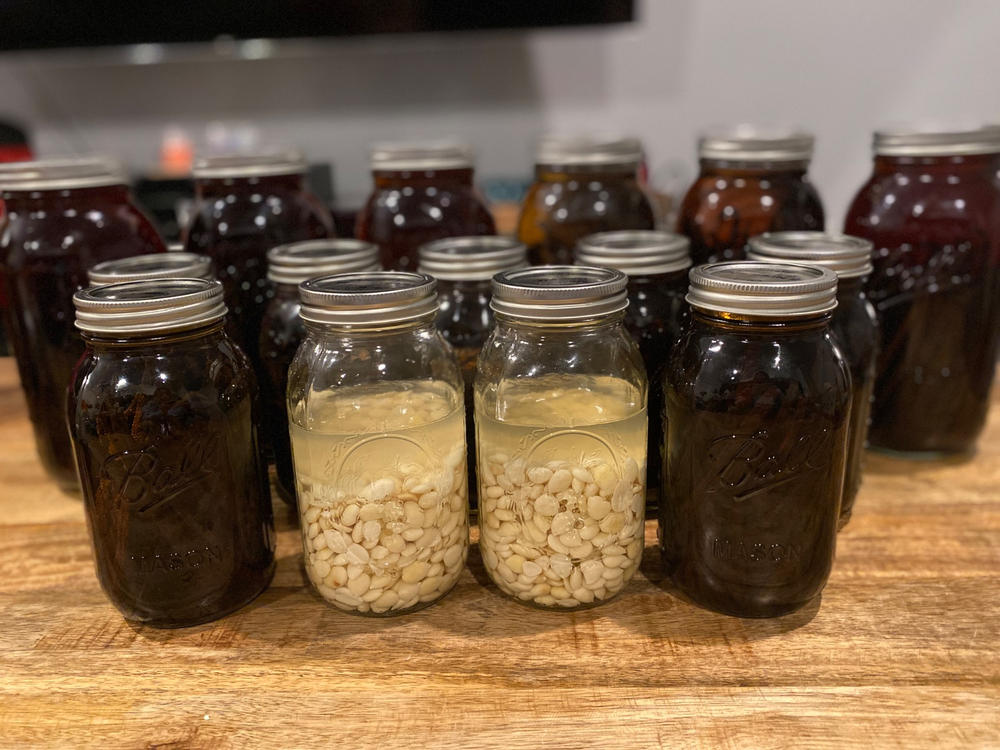
I've been making my own vanilla extract for over a decade and used to buy my beans based on reviews at a Infamous Global seller. Was never sure what I would get. Then I found this company! The beans were beautiful! Fragrant, moist but not too moist, easy to cut open to expose the seeds and each Bean was six to seven inches long. I'm a happy extract maker! 💝💃🥳
High Quality Vanilla - excellent customer service.
Slo Food group team takes great care of their customers. Received a broken bottle of Vanilla and it was immediately handled. Received my replacement bottle within 3 days.
This extract is used to make our Tahitian Vanilla Cakes!

Great place to get your spices
SLO Food group is the best place I have found to buy my vanilla beans, great customer service, fast shipping and very competitive prices. Thank you for helping me with my project, Vanilla extract. Thank you don young




This is a carousel with one large image and a track of thumbnails below. Select any of the image buttons to change the main image above.
Vanilla Beans
Excellent Product! Excellent Service!
I'm a convert
I've been making my own vanilla extract for over a decade and used to buy my beans based on reviews at a Infamous Global seller. Was never sure what I would get. Then I found this company! The beans were beautiful! Fragrant, moist but not too moist, easy to cut open to expose the seeds and each Bean was six to seven inches long. I'm a happy extract maker! 💝💃🥳
High Quality Vanilla - excellent customer service.
Slo Food group team takes great care of their customers. Received a broken bottle of Vanilla and it was immediately handled. Received my replacement bottle within 3 days.
This extract is used to make our Tahitian Vanilla Cakes!
Great place to get your spices
SLO Food group is the best place I have found to buy my vanilla beans, great customer service, fast shipping and very competitive prices. Thank you for helping me with my project, Vanilla extract. Thank you don young
How to Make Vanilla Extract
An easy to follow guide to making vanilla extract in your own kitchen
Why Buy Comoros Grade B Vanilla Beans?

Same Growers, Lower Price
Sourced from the same single family grower as our gourmet Comoros vanilla beans, these Grade B beans deliver the same rich Bourbon vanilla flavor at a lower cost, simply due to shorter pod length.

Rare, Volcanic-Grown Vanilla
Comoros vanilla quality ranks among the world's best. Its limited annual output makes it far scarcer than Madagascar vanilla. The islands' volcanic soil is considered some of the finest vanilla-growing terrain on earth.

Three Generations of Craftsmanship
This vanilla comes from a grower with three generations of vanilla-growing expertise, reflected in exceptional, time-honored curing quality.

Built for Homemade Extract
With a moisture content ideal for infusion and a bold, complex flavor profile, these beans are purpose-suited for homemade vanilla extract, delivering deep chocolate, brown butter, and marshmallow notes in every batch.
Technical Specifications
| Origin | Comoros |
|---|---|
| Species | Vanilla planifolia (Bourbon Vanilla) |
| Grade | Extract Grade B |
| Size | Avg 12-14 cm; Sizes Fluctuate Season to Season |
| Moisture Content | 23-27% |
| Count Per Pound | Approximately 180 Beans (Average); Actual Count May Vary Based on Bean Length |
| Color/Appearance | Lustrous Black to Brown; May Contain Minor Red Variegation, Splits, and Other Visual Defects on Some Beans |
| Certifications | Kosher, GMP |
| Sourcing | Single Family Estate, Three Generations of Vanilla Cultivation |
| Growing Region | Volcanic Soil, Comoros Islands |
| Flavor Profile | Rich, Aromatic, Bourbon Vanilla |
| Tasting Notes | Brown Butter, Chocolate, Marshmallow |
| Uses | Homemade Vanilla Extract, Commercial Flavor Applications, General Baking |
| Rarity | Limited Annual Output Relative to Major Producers Like Madagascar; Widely Regarded as Among the World's Finest Bourbon Vanilla in Quality |
| Packaging | Food-Grade Vacuum Sealed Barrier Film Bag |
| Shelf Life | 12-18 Months When Properly Stored; Beans Will Gradually Dry Out Over Time |
Premium Quality Grade B Comoros Vanilla Beans for Homemade Extract
Buy exceptional vanilla for extract from the Comoros Islands. Sourced from the same single grower as our gourmet Comoros vanilla beans, these grade B vanilla beans are shorter than their gourmet counterpart but packed full of a wonderful vanilla aroma with notes of brown butter, chocolate, and even marshmallow.
Vanille des Comores (Vanilla from Comoros): An Exceptional Vanilla Bean for Making Vanilla Extract
Our grade B vanilla beans from the Comoros Islands are perfect for making vanilla extract at home. The aroma, fair price, and exceptional curing quality make this possibly the best deal you can find online for these vanilla beans. Our vanilla comes directly from the islands of Comoros, a tropical paradise famous for its lush, fertile volcanic soil, which also produces some of the world's finest cloves and ylang-ylang. While many consumers may think Bourbon vanilla only comes from Madagascar, Comoros has long been regarded for producing superior quality Bourbon vanilla, thanks to its unique soil composition and a long, refined history of growing and curing vanilla beans. Vanilla was introduced to Comoros by French colonists in the 19th century, alongside these other now-celebrated exports, and while vanilla itself originated in Mexico, its arrival in Comoros came generations later, through European colonial trade rather than any direct link to its Mesoamerican origins.
Comoros is one of the most unique and fertile vanilla growing regions of the world
What type of vanilla beans are grown in Comoros
How to Use Comoros Grade B Vanilla Beans
These beans come from growers in Comoros whose families has cultivated vanilla for three generations, passing down curing techniques refined over decades. Slofoodgroup is proud to partner directly with this grower to bring authentic Comoran vanilla to our customers. Like vanilla from Madagascar, Comoros vanilla comes from the species Vanilla planifolia, commonly known as Bourbon vanilla, though the islands' volcanic soil and distinct curing traditions give it a character many connoisseurs consider uniquely its own.
Vanilla planifolia is an oblong leafed orchid that produces vanilla pods high in vanillin content. Once cured the beans and a lustrous black to brown in color. The price is traditionally higher than other planifolia varieties due to its overall rarity, annual output, and quality. Many Europeans regard Comoros vanilla beans as superior to Madagascar vanilla beans. The volcanic soils of the Comoros Islands are some of the finest vanilla growing topography in the world and Comorians are very skilled at the artful preparation of vanilla.
The Aztecs are said to have introduced vanilla to Comoros
Comoros is the world's 9th largest exporter and most vanilla is spoken for long before it is even harvested. The beans are in high demand and once you try for yourself, we are sure you will see why.
Facts about these extract grade B vanilla beans from Comoros
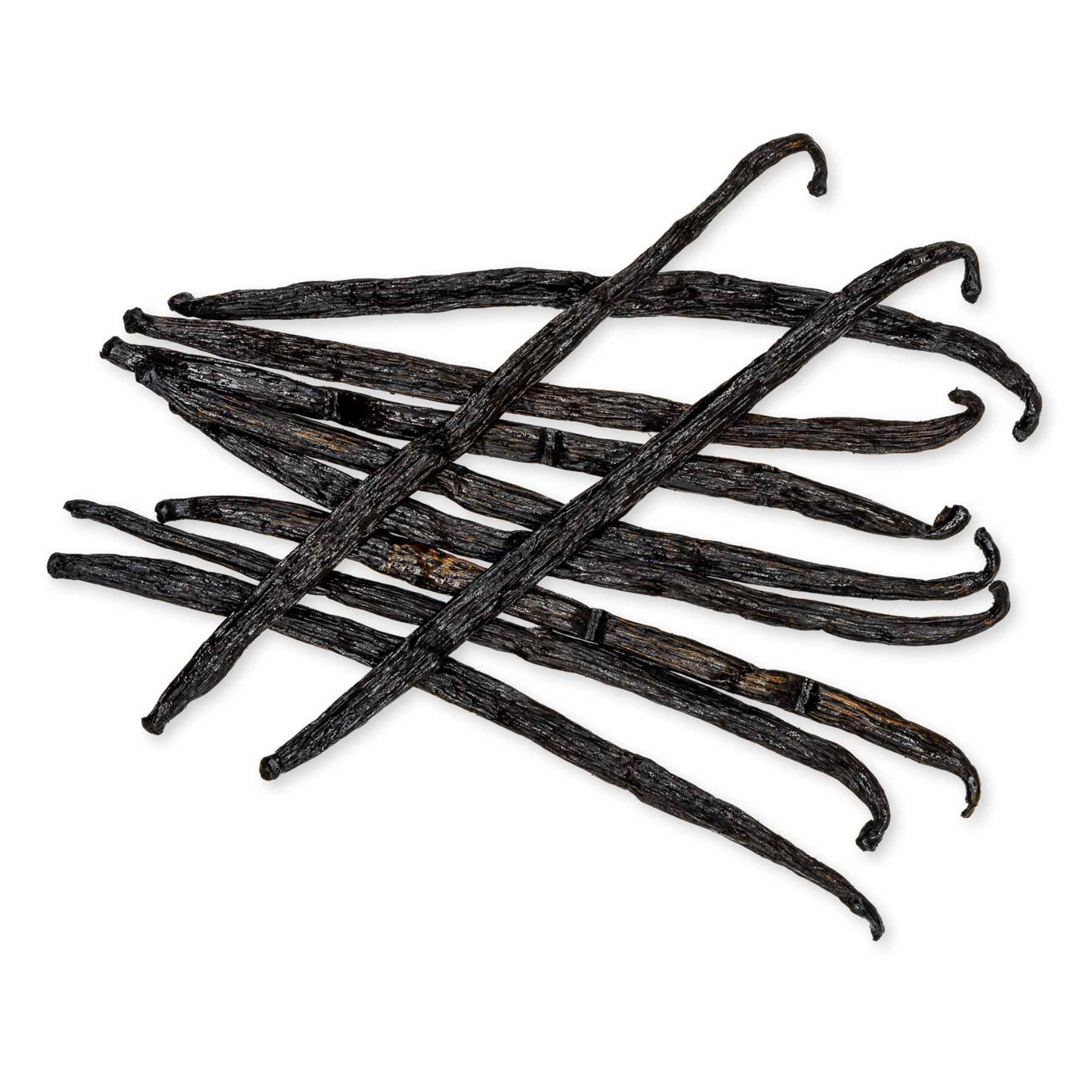
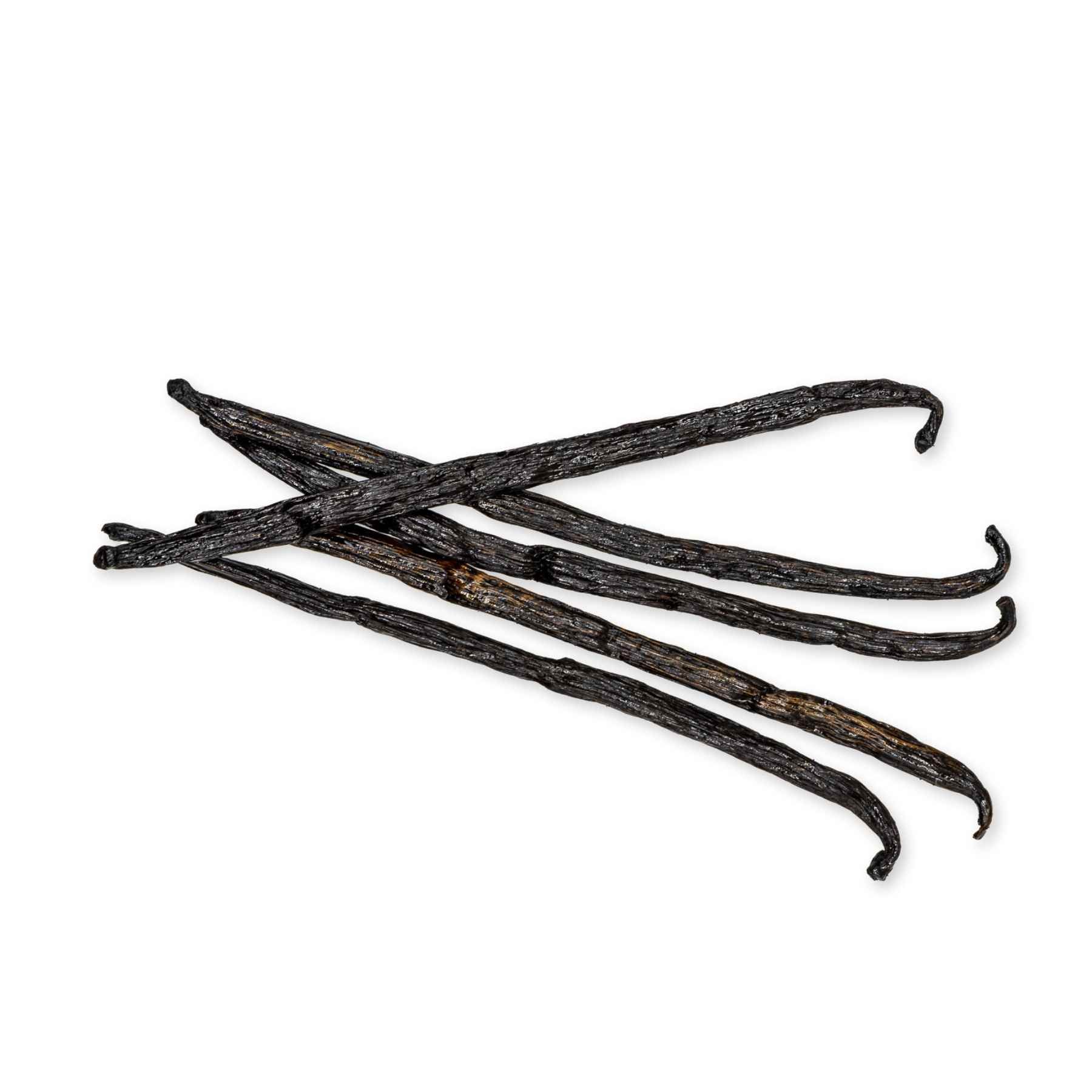
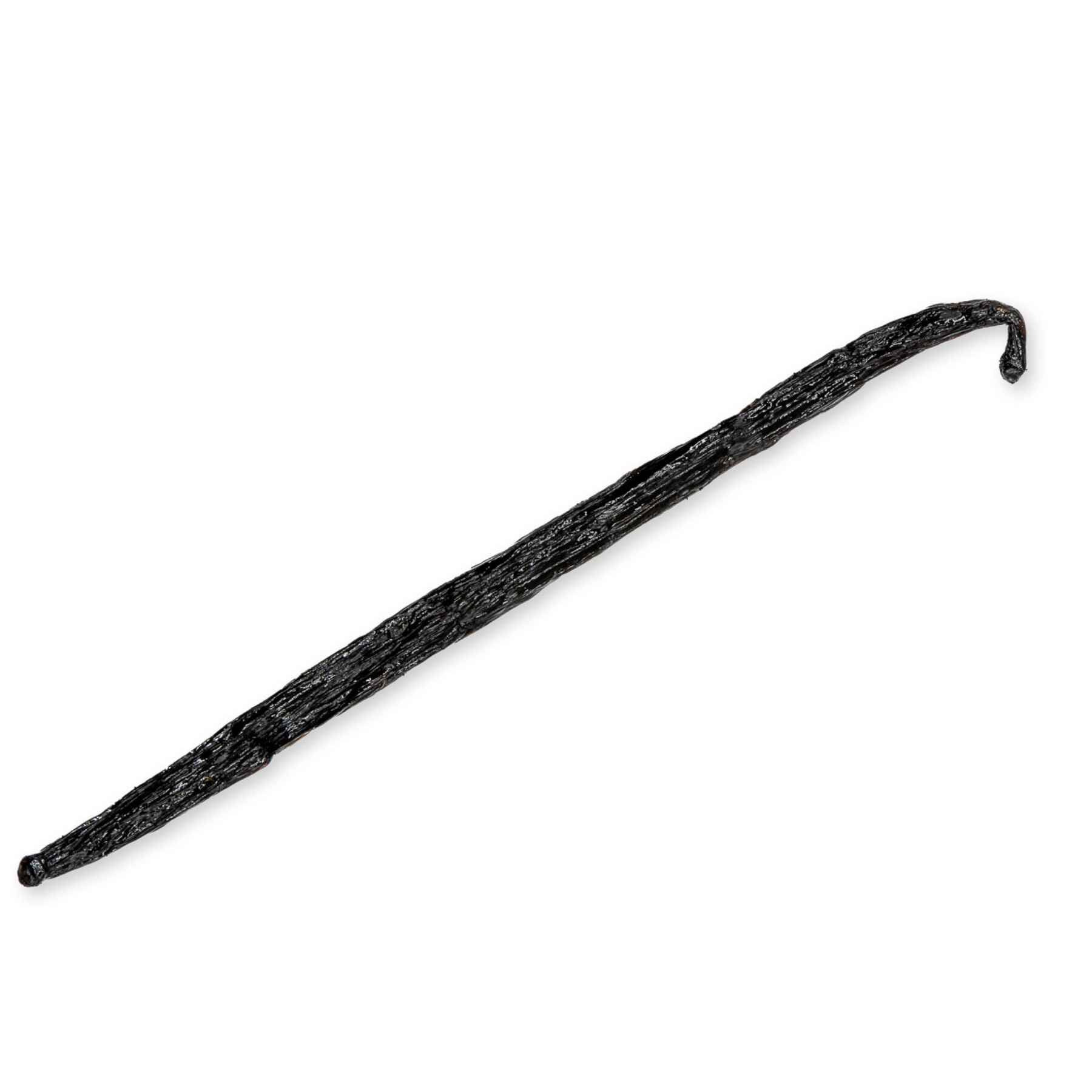
- 12-14 cm on average beans, sizes can fluctuate season to season
- Grown on a single family estate
- Kosher certified by Earth Kosher
- Great for making homemade vanilla extract
- Average amount of vanilla beans per pound 180 +/-
- 23-27 percent moisture content and may contain minor amounts of red variegation on some vanilla beans
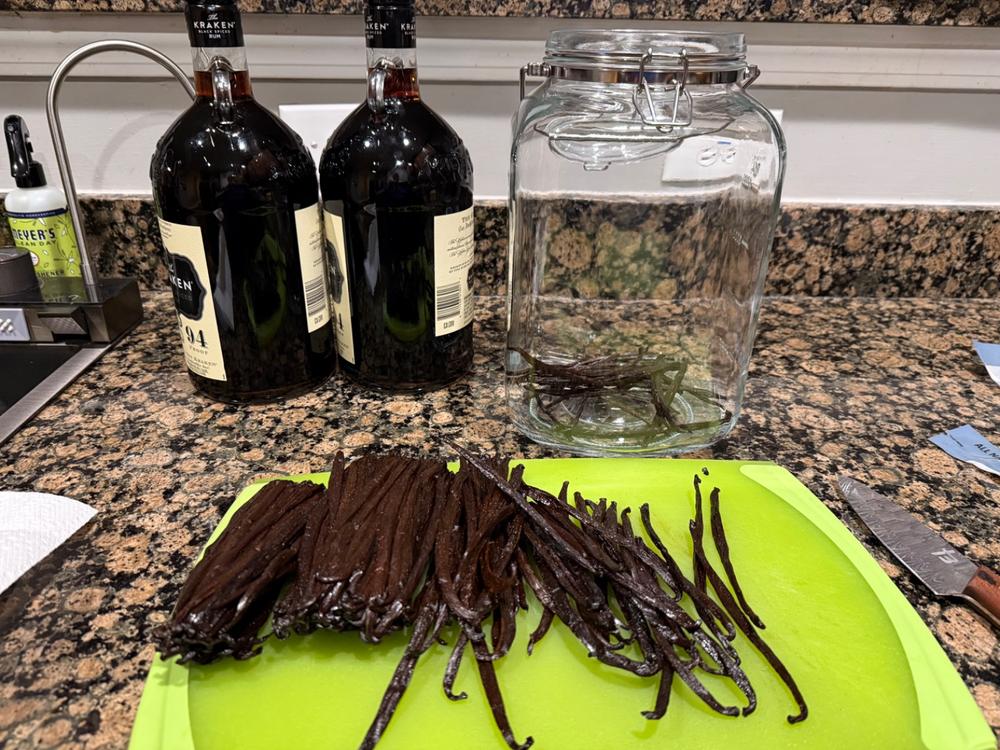
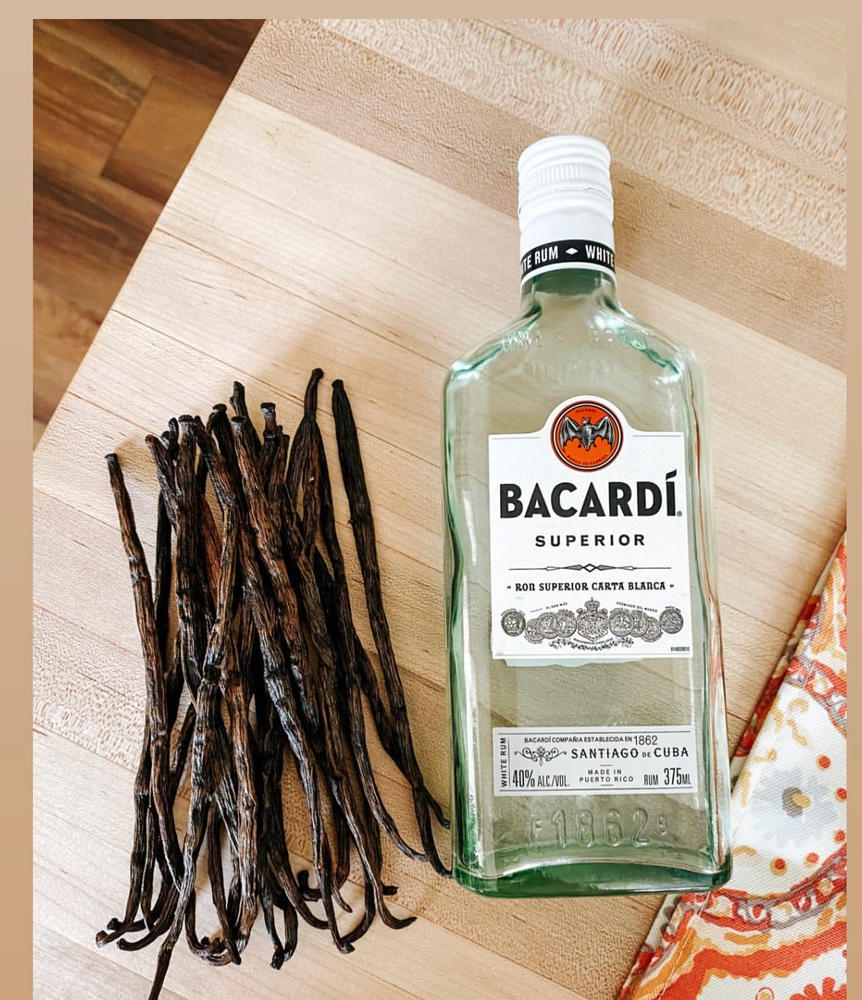
While these beans are extract-grade, they're just as versatile as gourmet whole beans, just at a better price point for bulk or frequent use. Chop or split the pods to expose more surface area, then steep in 35-40% alcohol for 6-12 weeks to make homemade vanilla extract. Beyond extract, these beans also work well for making simple syrups, infusing cream bases for custards and desserts, or general baking. Once beans have been properly steeped for extract-making, most of their flavor has been extracted into the alcohol; the spent pods retain little beyond the residual alcohol they've absorbed, so they're best discarded rather than repurposed for further flavoring.
Because Grade B beans are shorter and have a lower moisture content, they're generally skinnier and less plump than gourmet-grade beans. Some users find them a bit more challenging to split and scrape as a result, requiring a little extra patience compared to working with gourmet vanilla beans. This doesn't affect their aromatic quality or performance in extract-making, but it's worth knowing what to expect if you're used to handling plumper, gourmet-grade pods.


Frequently Asked Questions
- Both are Vanilla planifolia, the Bourbon vanilla species, but many buyers and Europeans in particular regard Comoros vanilla as a distinct, superior expression of Bourbon vanilla due to its volcanic soil composition and the islands' long history of vanilla curing. Comoros vanilla is generally priced higher than other planifolia origins due to its rarity and limited annual output.
- Grade B (extract grade) simply means the beans are shorter than gourmet classification, not lower in flavor quality. These beans are grown on the same single family estate as our gourmet Comoros vanilla beans and carry the same rich, aromatic Bourbon vanilla profile, with notes of brown butter, chocolate, and marshmallow, making them an excellent, more affordable choice for homemade extract.
- These beans average 12-14 cm in length, though size can fluctuate by season, with a moisture content of 23-27%. There are approximately 180 beans per pound on average, though actual count can vary depending on bean length. Some beans may show minor red variegation, a natural characteristic rather than a defect.
- These beans are grown on a single family estate in the Comoros Islands that has cultivated vanilla for three generations. The volcanic soil of the Comoros Islands is considered some of the finest vanilla-growing terrain in the world, and Comorian growers are highly skilled in the traditional curing process.
- Chop or split the beans and steep them in alcohol (35-40% ABV, such as vodka, rum, or bourbon) for 6-12 weeks in a cool, dark place, shaking occasionally. For a full walkthrough, see our guide to making vanilla extract.