


Authentic Mexican Sweet Paprika Powder

Vanilla Beans
Excellent Product! Excellent Service!

I'm a convert
I've been making my own vanilla extract for over a decade and used to buy my beans based on reviews at a Infamous Global seller. Was never sure what I would get. Then I found this company! The beans were beautiful! Fragrant, moist but not too moist, easy to cut open to expose the seeds and each Bean was six to seven inches long. I'm a happy extract maker! 💝💃🥳
High Quality Vanilla - excellent customer service.
Slo Food group team takes great care of their customers. Received a broken bottle of Vanilla and it was immediately handled. Received my replacement bottle within 3 days.
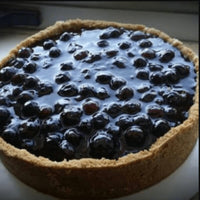
This extract is used to make our Tahitian Vanilla Cakes!

Great place to get your spices
SLO Food group is the best place I have found to buy my vanilla beans, great customer service, fast shipping and very competitive prices. Thank you for helping me with my project, Vanilla extract. Thank you don young


This is a carousel with one large image and a track of thumbnails below. Select any of the image buttons to change the main image above.
Vanilla Beans
Excellent Product! Excellent Service!
I'm a convert
I've been making my own vanilla extract for over a decade and used to buy my beans based on reviews at a Infamous Global seller. Was never sure what I would get. Then I found this company! The beans were beautiful! Fragrant, moist but not too moist, easy to cut open to expose the seeds and each Bean was six to seven inches long. I'm a happy extract maker! 💝💃🥳
High Quality Vanilla - excellent customer service.
Slo Food group team takes great care of their customers. Received a broken bottle of Vanilla and it was immediately handled. Received my replacement bottle within 3 days.
This extract is used to make our Tahitian Vanilla Cakes!
Great place to get your spices
SLO Food group is the best place I have found to buy my vanilla beans, great customer service, fast shipping and very competitive prices. Thank you for helping me with my project, Vanilla extract. Thank you don young
A Great Starter Pepper

First Used Whole in Mexico, Named in Europe
The Capsicum annuum pepper was first cultivated and used fresh in Mexico thousands of years ago, but the dried, ground spice and the name "paprika" itself came later, from Hungary and Spain.

Sweet, Not Spicy
A mild, subtly sweet flavor with just a whisper of heat, versatile enough for both delicate and bold dishes.

Vibrant Color, Real Flavor
That signature crimson hue isn't just for looks, it signals real, fresh flavor in every batch.

A Kitchen Workhorse
From stews and marinades to a simple garnish, few spices work as hard across as many dishes as paprika.
Technical Specifications
| Origin | Currently Sourced from Mexico, with Sourcing From Other Paprika-Growing Regions as Needed |
|---|---|
| Botanical Name | Capsicum annuum |
| Common Names | Sweet Paprika, Paprika Powder |
| Heat Level | Mild |
| Certifications | Kosher (EarthKosher), GMP |
| Flavor Profile | Sweet, Mildly Tangy, Subtle Heat, Vibrant Crimson Color |
| Historical Note | Pepper First Cultivated and Used Fresh in Mexico; The Dried, Ground Spice and the Name "Paprika" Originated Later in Hungary and Spain |
| Uses | Stews, Soups, Marinades, Sauces, Roasted Vegetables, Rubs, Garnish, Jambalaya |
| Pairings | Sumac, Oregano, Cumin, Coriander, Garlic, Black Pepper, Chicken, Beef, Vegetables |
| Substitution | Regular or Smoked Paprika Can Be Used, Though Flavor Will Differ Slightly |
| Storage | Airtight Container, Cool, Dark Place |
| Shelf Life | 24-36 Months |
| Packaging | Food-Grade Pouch or Bag; Box with Liner for Bulk Orders |
Sweet Paprika Powder
Indulge your taste buds with the exquisite flavor of our authentic sweet paprika powder. This premium-grade spice is the secret ingredient to elevate your culinary creations to new heights for those who love paprika. Buy paprika online today, in bulk or small quantities, and add this versatile spice to your pantry. Curious how sweet paprika compares to other varieties? We break it down here.
The Real History Behind Paprika
Why Cook with Paprika?
Storing and Sourcing Your Paprika
Paprika's story starts with a common misconception worth clearing up. The pepper plant behind paprika, Capsicum annuum, was genuinely domesticated in Mexico thousands of years ago, and Indigenous peoples across Mexico, Central America, and South America used it for both culinary and medicinal purposes long before Europeans arrived. But "paprika" itself, the specific practice of drying and grinding these peppers into the spice we know today, is a Hungarian and Spanish invention, developed after Christopher Columbus brought the peppers back to Spain in 1493. The word "paprika" is even Hungarian in origin. So while the pepper's roots trace back to the Americas, the paprika tradition itself was born in Europe, centuries later, a genuinely global spice with a genuinely global story.
Flavorful versatility! Paprika can be used in a variety of ways in your kitchen. Unlock a world of culinary possibilities with our sweet paprika powder's distinct flavor profile, and read more about what sweet paprika actually tastes like on our blog. Its subtle sweetness complements various dishes, whether you're preparing hearty stews, savory soups, mouthwatering marinades, or experimenting with exotic recipes.
Enhance your dishes: sprinkle our sweet paprika powder on roasted vegetables for a delightful twist. Blend it into sauces to add depth, pair it with sumac or oregano for a well-rounded spice blend, or use it as a garnish to infuse color and taste into your favorite meals. It's also a key ingredient in our healthier jambalaya recipe. Shop paprika powder in bulk for your restaurant or commercial kitchen, or pick up a small jar for your home pantry.
We take pride in delivering only the freshest and highest quality sweet paprika powder to your doorstep. To keep it fresh, store paprika in an airtight container in a cool, dark place, this will help preserve its flavor and vibrant color for as long as possible. Order paprika powder online from Slofoodgroup and stock your spice rack with confidence.
*While our sweet paprika powder is not overly spicy, it does contain a mild level of heat, adding depth and complexity to your dishes without overpowering them.
Sweet vs. Smoked vs. Hot Paprika
Not all paprika behaves the same in a dish, and knowing the difference matters. Sweet paprika, the variety you're looking at here, has a mild, gently sweet flavor with just a whisper of heat, making it the most versatile and widely used type. Smoked paprika (often labeled pimentón in Spanish cooking) gets its deep, smoky character from being dried over oak fires rather than in the sun or a dehydrator, a completely different flavor profile from sweet paprika, not a substitute for it. Hot paprika, meanwhile, is made from spicier pepper varieties and brings real heat rather than paprika's usual gentle warmth. If a recipe simply calls for "paprika" without any other descriptor, it's almost always referring to sweet paprika, exactly what you'll find in this bag.


Frequently Asked Questions
- Paprika comes in various types, such as sweet, smoked, and hot. Sweet paprika has a mild, sweet flavor, while smoked paprika adds a smoky element, and hot paprika has a noticeable kick of heat.
- This sweet paprika has a mild, subtly sweet and tangy flavor profile, with just a hint of heat. It adds depth and complexity to dishes without overpowering them.
- To keep paprika fresh, store it in an airtight container in a cool, dark place. This will help preserve its flavor and ensure it remains a potent addition to your culinary creations.
- Paprika is commonly used in marinades, rubs, and sauces for meats, as well as in soups, stews, and chili dishes.
- If you're out of sweet paprika, regular paprika or smoked paprika can be used as substitutes. They won't replicate the exact flavor, but they'll still add color and depth to your dish.