


Pimienta inglesa, bayas de pimiento seco
Se espera que Preventa Allspice comience a enviarse a mediados de enero

Vanilla Beans
Excellent Product! Excellent Service!

I'm a convert
I've been making my own vanilla extract for over a decade and used to buy my beans based on reviews at a Infamous Global seller. Was never sure what I would get. Then I found this company! The beans were beautiful! Fragrant, moist but not too moist, easy to cut open to expose the seeds and each Bean was six to seven inches long. I'm a happy extract maker! 💝💃🥳
High Quality Vanilla - excellent customer service.
Slo Food group team takes great care of their customers. Received a broken bottle of Vanilla and it was immediately handled. Received my replacement bottle within 3 days.
This extract is used to make our Tahitian Vanilla Cakes!

Great place to get your spices
SLO Food group is the best place I have found to buy my vanilla beans, great customer service, fast shipping and very competitive prices. Thank you for helping me with my project, Vanilla extract. Thank you don young




This is a carousel with one large image and a track of thumbnails below. Select any of the image buttons to change the main image above.
Vanilla Beans
Excellent Product! Excellent Service!
I'm a convert
I've been making my own vanilla extract for over a decade and used to buy my beans based on reviews at a Infamous Global seller. Was never sure what I would get. Then I found this company! The beans were beautiful! Fragrant, moist but not too moist, easy to cut open to expose the seeds and each Bean was six to seven inches long. I'm a happy extract maker! 💝💃🥳
High Quality Vanilla - excellent customer service.
Slo Food group team takes great care of their customers. Received a broken bottle of Vanilla and it was immediately handled. Received my replacement bottle within 3 days.
This extract is used to make our Tahitian Vanilla Cakes!
Great place to get your spices
SLO Food group is the best place I have found to buy my vanilla beans, great customer service, fast shipping and very competitive prices. Thank you for helping me with my project, Vanilla extract. Thank you don young
One Berry, Countless Flavors

A True Single-Origin Spice
Sourced directly from the Cobán region of Guatemala's Alta Verapaz, a growing region known for exceptional allspice.

Not a Blend, a Genuine Spice
Despite its name, allspice is one single berry, not a mix, whose complex flavor comes naturally from eugenol, the same compound found in cloves.

Whole for Maximum Freshness
Grinding fresh unlocks far more aroma and flavor than pre-ground allspice, and these berries grind quickly despite their hard appearance.

Global Versatility
From Jamaican jerk seasoning to Middle Eastern baharat and European pickling spice, one ingredient spans cuisines across the entire world.
Technical Specifications
| Origin | Guatemala (Cobán Region, Alta Verapaz) |
|---|---|
| Botanical Name | Pimenta dioica |
| Common Names | Allspice, Jamaican Pepper, Pimento, Newspice |
| Harvest | Hand-Picked Green/Unripe, Sun-Cured |
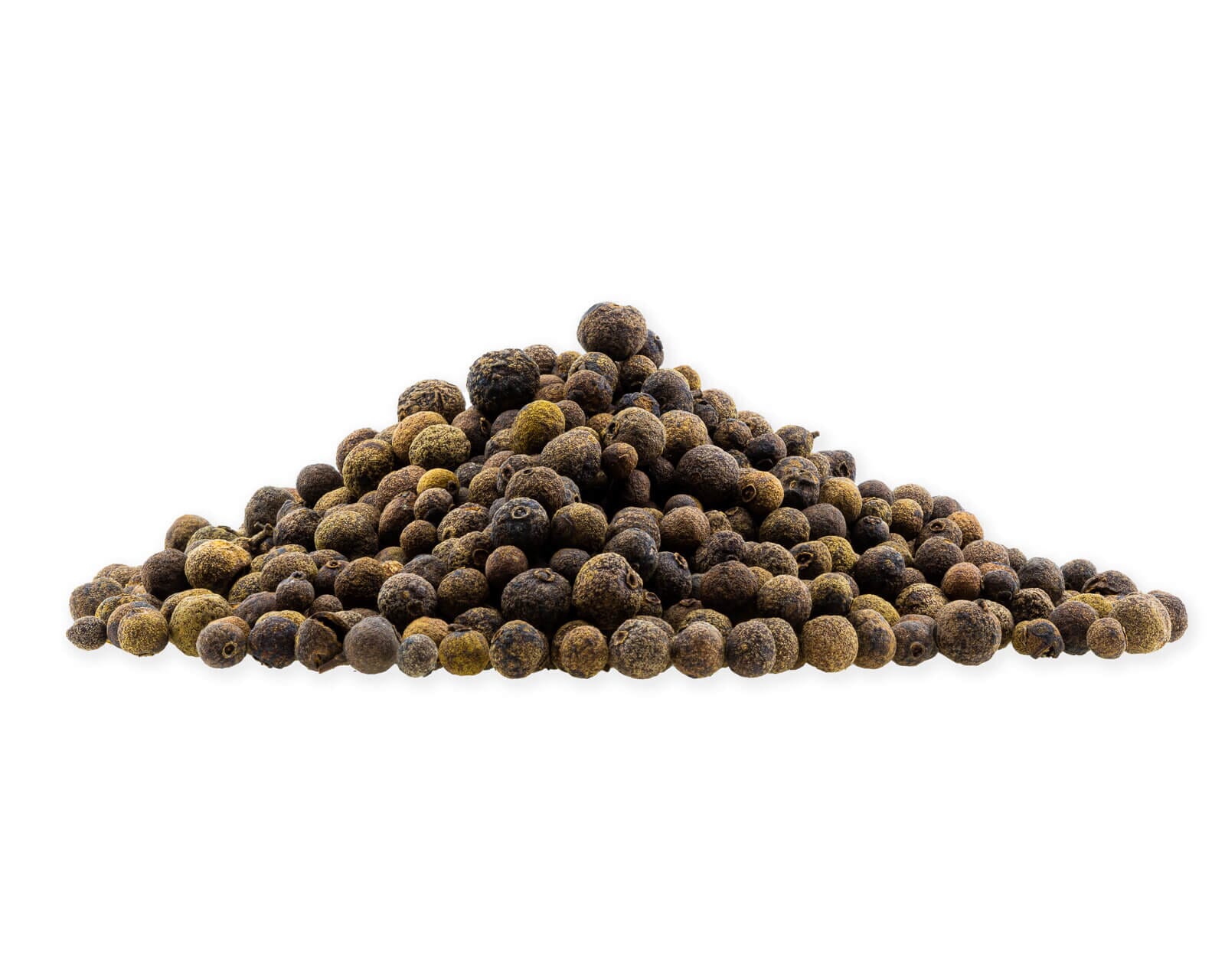
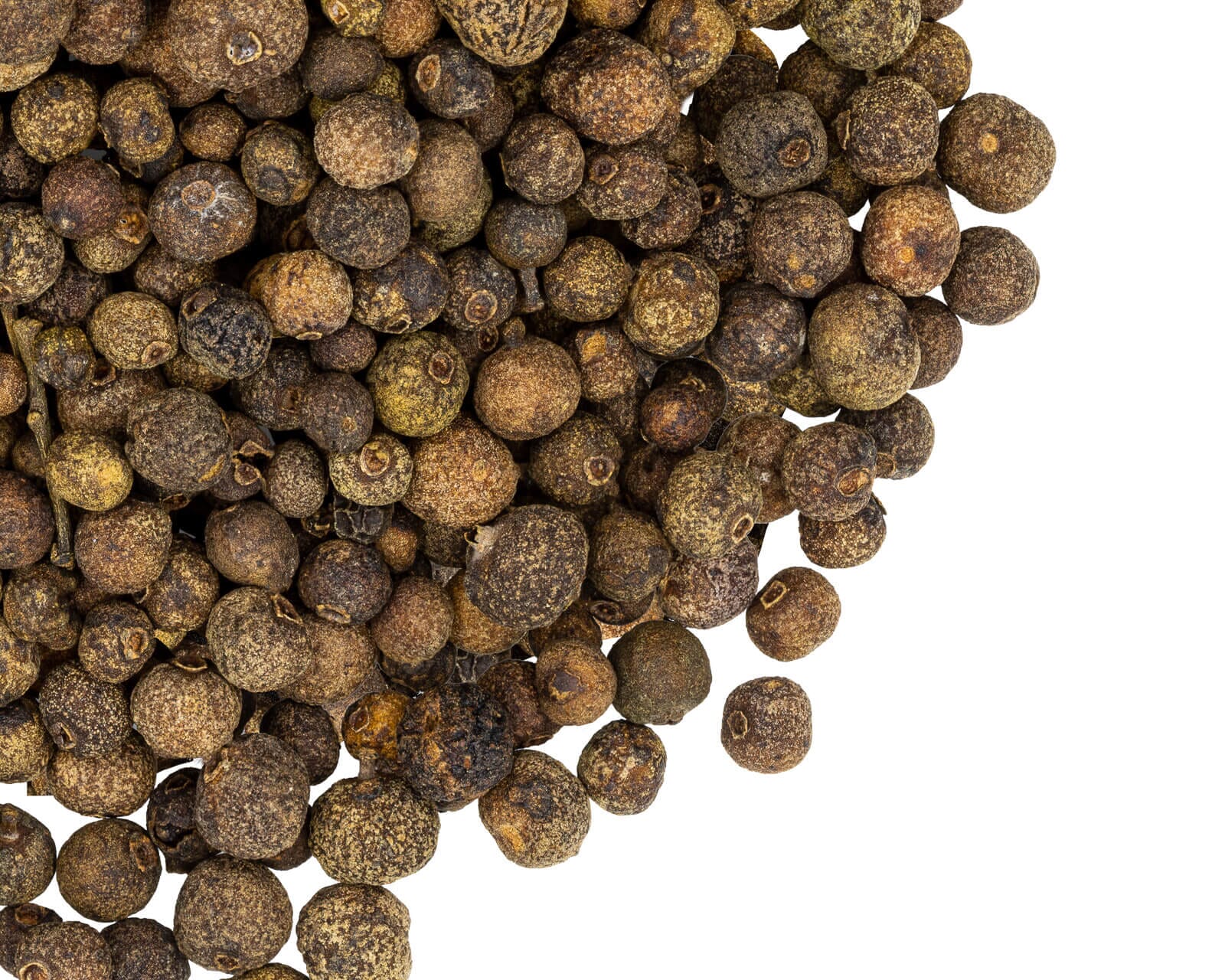
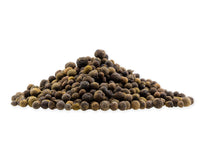
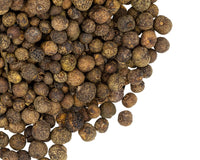
| Color/Appearance | Brown to Light Brown, Round Berries (~1/3 the Size of a Marble) |
| Moisture Content | Less Than 12% |
| Certifications | Kosher, GMP |
| Shared Flavor Compound | Eugenol (Also Found in Cloves) |
| Flavor Profile | Warm, Peppery, Aromatic Blend of Cinnamon, Nutmeg, and Clove |
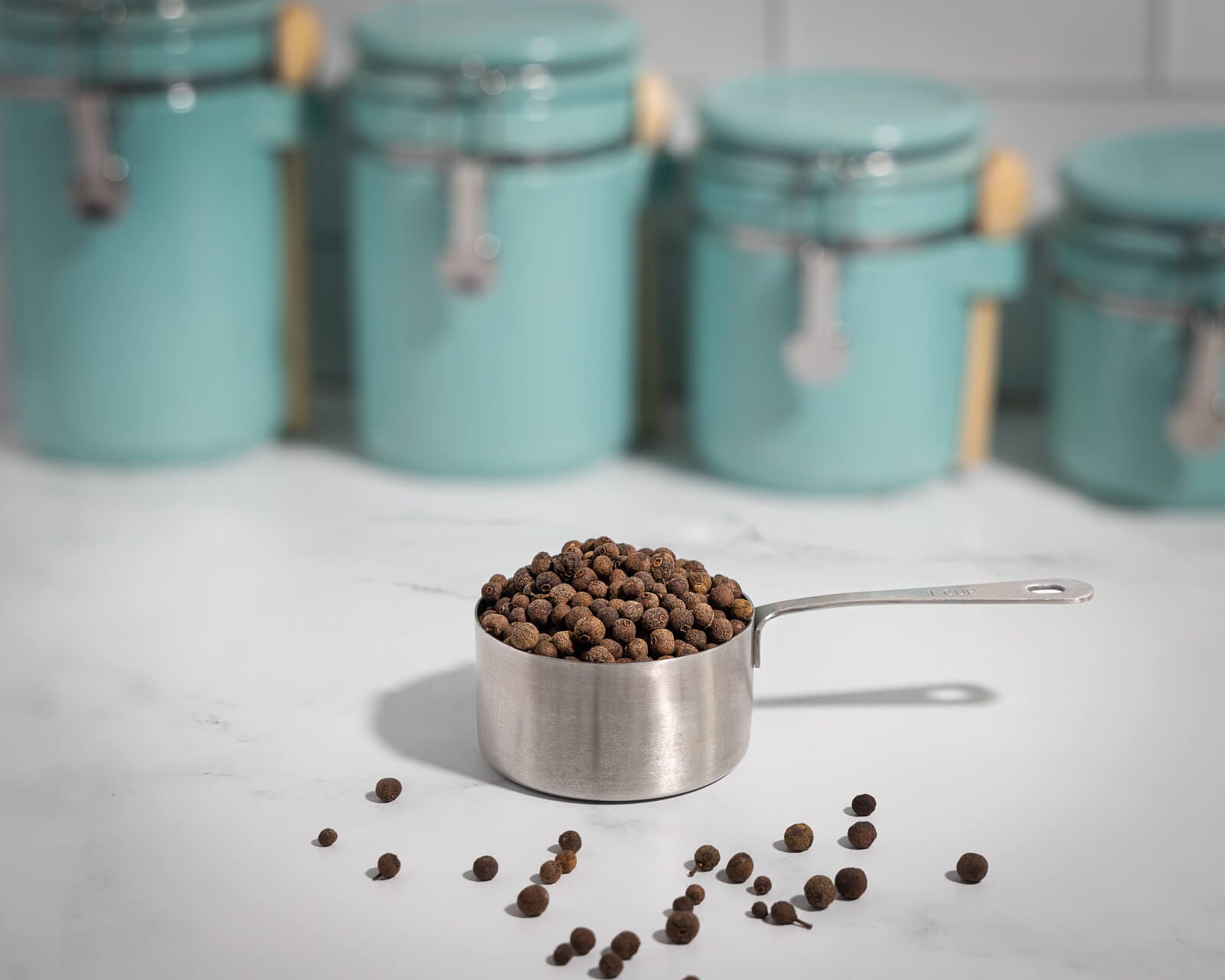
| Substitution Ratio | 6 Whole Berries (Ground Fresh) ≈ 1/4-1/2 tsp Ground Allspice |
| Uses | Jerk Seasoning, Pickling, Baharat, Stews, Sausages, Baking, Tea, Pie Seasoning |
| Pairing | Clove, Nutmeg, Cinnamon, Vanilla |
| Packaging | Food-Grade Pouch or Bag; Corrugated Box with Liner for Bulk Orders |
About Allspice in Our Online Spice Shop
Known as Jamaican Pepper, this Caribbean flavor export is available in bulk online at Slofoodgroup. Our allspice comes directly from the Cobán region of Guatemala, part of Alta Verapaz, home to lush rainforests, volcanoes, and mountainous countryside that also grows green cardamom pods, coffee, dried black limes, and chiles.
Not Actually a Spice Blend
How to Use Allspice in Your Kitchen
Facts About Our Allspice
Allspice is often mistaken for a blend of spices, but it's actually a single spice, the dried, unripe berry of the Pimenta dioica tree, native to the Caribbean and Central America. The round, dark tan to brown berries carry a complex aroma that resembles cinnamon, nutmeg, and clove all at once, thanks in part to eugenol, the same aromatic compound found in true cloves. The name "allspice" was coined by English explorers who thought the berry tasted like a combination of several familiar spices at once.
Allspice is harvested while still green and unripe, then sun-cured over several days until the berries darken and their essential oils fully develop, the same traditional process used for centuries in its native growing regions.
The easiest way to use allspice is to drop whole berries directly into a liquid, a pickling brine alongside star anise, clove, juniper berries, bay leaf, cinnamon, and ginger, or a simmering broth or stew. Though the berries look hard, they grind quickly and easily with a mortar and pestle or spice grinder, making them simple to use fresh in rubs, flavored salts, marinades, and baked goods. As a rough substitution guide, about 6 whole allspice berries ground fresh is roughly equivalent to 1/4-1/2 teaspoon of ground allspice.
Allspice's uses vary widely by region and tradition. In Jamaican and Caribbean cooking, it's an essential ingredient in jerk seasoning. In the Middle East, it flavors Levant-style stews, meats, and tomato sauce, and appears in spice blends like baharat used for kebabs. In European kitchens, it's a staple for pickling, curries, and sausages. We also recommend allspice in teas, spice rubs, pie seasoning, flavored sugars, and even frozen custards, it pairs beautifully with clove, nutmeg, and cinnamon.
Slofoodgroup allspice is grown using traditional, natural, sustainable farming practices in the Cobán region of Guatemala's Alta Verapaz department, an area well known for its lush landscape and long agricultural history.
- Aromatic, pungent berries, uniform brown to light brown in color, with an aroma that blends cinnamon, clove, nutmeg, and even peppercorns.
- Dried allspice berries are round, roughly one-third the size of a marble.
- Backed by our satisfaction guarantee.
- Kosher certified by EarthKosher.
From Green Berry to Fragrant Spice
Allspice starts its life as a small green berry, harvested by hand while still unripe, since the essential oils that give allspice its signature aroma are strongest before the berry fully ripens. Once picked, the berries are spread out and sun-cured over several days, gradually darkening from green to the familiar brown color you see in the jar. This traditional curing process, largely unchanged for generations, is what allows the berry's natural oils to fully develop, resulting in the warm, complex aroma that makes allspice so distinctive. It's a labor-intensive process, but one that produces a genuinely superior spice compared to faster, less careful drying methods.


Frequently Asked Questions
- Ground cinnamon, clove, and nutmeg combined are a great substitute for allspice, since these are the same flavors allspice naturally combines in one berry.
- Also known as Jamaica pepper, allspice is a dried, unripe berry from the Pimenta dioica tree, native to the Caribbean and Central America. Despite the name, it's a single spice, not a blend.
- Allspice has a warm, peppery flavor similar to a combination of cloves, cinnamon, and nutmeg, thanks to eugenol, the same aromatic compound found in true cloves.
- As a general guide, about 6 whole allspice berries, ground fresh, is roughly equivalent to 1/4-1/2 teaspoon of ground allspice.
- Allspice is essential to Jamaican jerk seasoning, Middle Eastern baharat, and European pickling spice blends. It's also great in rubs, marinades, flavored salts, baked goods, teas, and pie seasoning.