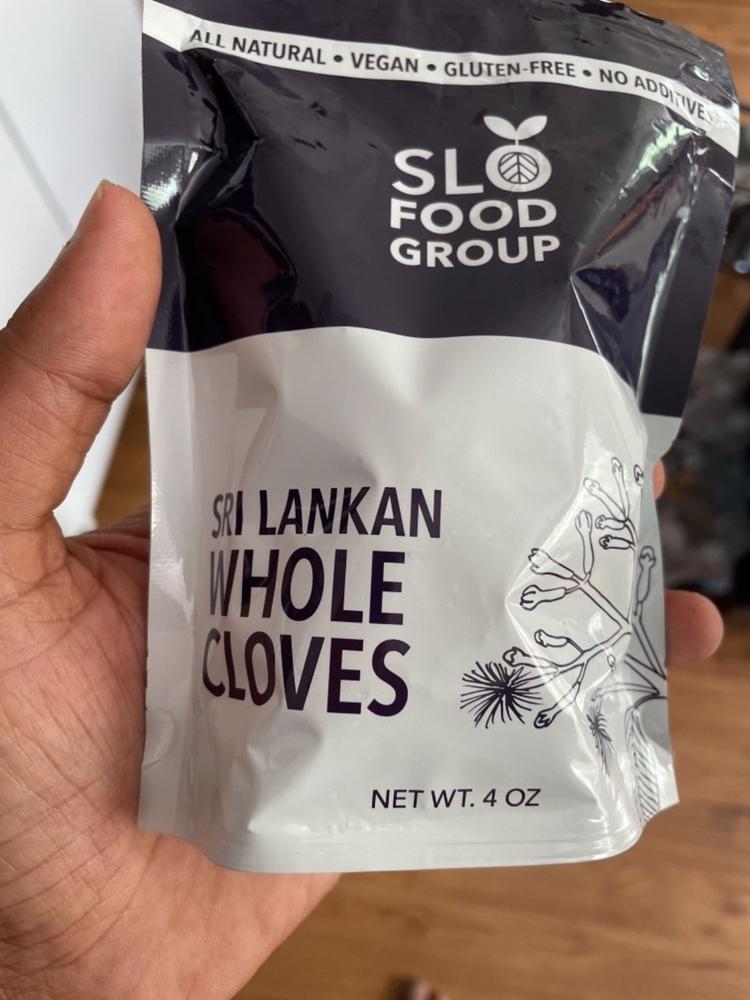
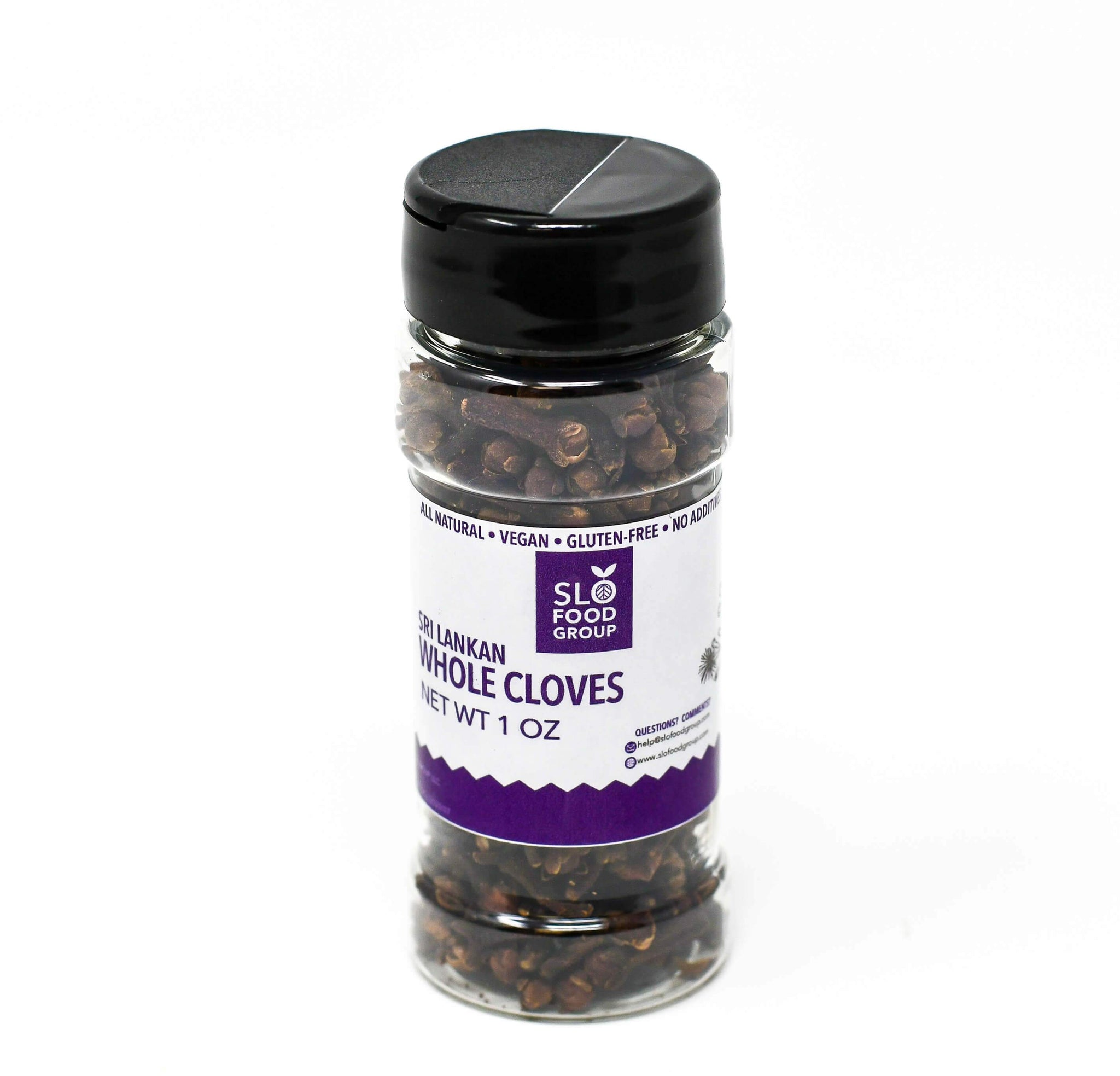
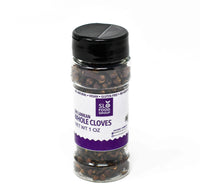
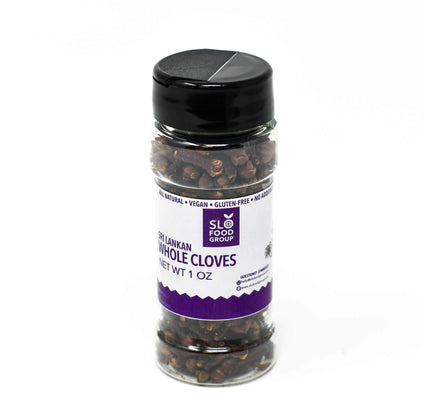
Whole Sri Lankan Cloves
Current price: $ 119.00

Vanilla Beans
Excellent Product! Excellent Service!

I'm a convert
I've been making my own vanilla extract for over a decade and used to buy my beans based on reviews at a Infamous Global seller. Was never sure what I would get. Then I found this company! The beans were beautiful! Fragrant, moist but not too moist, easy to cut open to expose the seeds and each Bean was six to seven inches long. I'm a happy extract maker! 💝💃🥳
High Quality Vanilla - excellent customer service.
Slo Food group team takes great care of their customers. Received a broken bottle of Vanilla and it was immediately handled. Received my replacement bottle within 3 days.
This extract is used to make our Tahitian Vanilla Cakes!

Great place to get your spices
SLO Food group is the best place I have found to buy my vanilla beans, great customer service, fast shipping and very competitive prices. Thank you for helping me with my project, Vanilla extract. Thank you don young



This is a carousel with one large image and a track of thumbnails below. Select any of the image buttons to change the main image above.
Vanilla Beans
Excellent Product! Excellent Service!
I'm a convert
I've been making my own vanilla extract for over a decade and used to buy my beans based on reviews at a Infamous Global seller. Was never sure what I would get. Then I found this company! The beans were beautiful! Fragrant, moist but not too moist, easy to cut open to expose the seeds and each Bean was six to seven inches long. I'm a happy extract maker! 💝💃🥳
High Quality Vanilla - excellent customer service.
Slo Food group team takes great care of their customers. Received a broken bottle of Vanilla and it was immediately handled. Received my replacement bottle within 3 days.
This extract is used to make our Tahitian Vanilla Cakes!
Great place to get your spices
SLO Food group is the best place I have found to buy my vanilla beans, great customer service, fast shipping and very competitive prices. Thank you for helping me with my project, Vanilla extract. Thank you don young
Béchamel, Honey Ham, and Indonesian Jamu Juice. Cloves are…

Higher in Essential Oils
Sri Lankan cloves are prized for their elevated essential oil content compared to cloves from other growing regions.

Powered by Eugenol
The same aromatic compound that gives cloves their signature warmth makes up 70-90% of their essential oil content.

Hand-Picked at Peak Color
Buds are selectively hand-picked as they shift from green to deep red, precisely timed for maximum flavor.

A Year-Round Pantry Staple
Far more than a holiday spice, cloves belong in everything from mulled wine to savory braises and Indian spice blends.
Technical Specifications
| Origin | Sri Lanka |
|---|---|
| Botanical Name | Syzygium aromaticum |
| Native Region | Maluku Islands (Indonesia) |
| Form | Whole, Dried Flower Buds |
| Headless Rate | Less Than 5% |
| Active Compound | Eugenol (Approx. 70-90% of Essential Oil Content) |
| Certifications | Kosher (EarthKosher), GMP |
| Additional Attributes | Non-GMO, Gluten Free, Vegan, All-Natural |
| Flavor Profile | Sweet, Spicy, Somewhat Bitter, Warm |
| Uses | Eggnog, Mulled Wine, Pickling, Roasts, Pastries, Spiced Desserts, Hot Toddies, Stews, Braises, Indian Dishes, Caribbean and Asian Spice Blends |
| Pairing | Ceylon Cinnamon, Vanilla, Nutmeg, Sugar |
| Usage Note | Whole Cloves Are Meant to Infuse a Dish, Not Be Eaten Directly; Remove Before Serving |
| Storage | Cool, Dry Place, Away From Direct Sunlight |
| Shelf Life | 24-36 Months |
| Packaging | Food-Grade Pouch or Bag; Box with Liner for Bulk Orders |
Spice Up Your Life When You Buy Cloves Online from Slofoodgroup
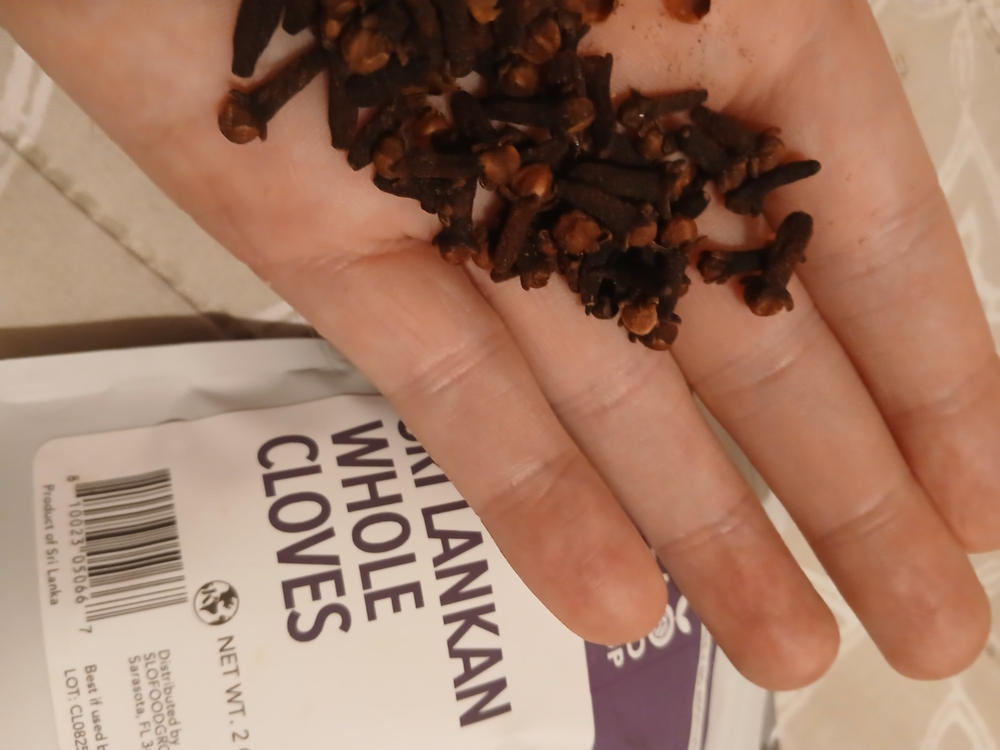
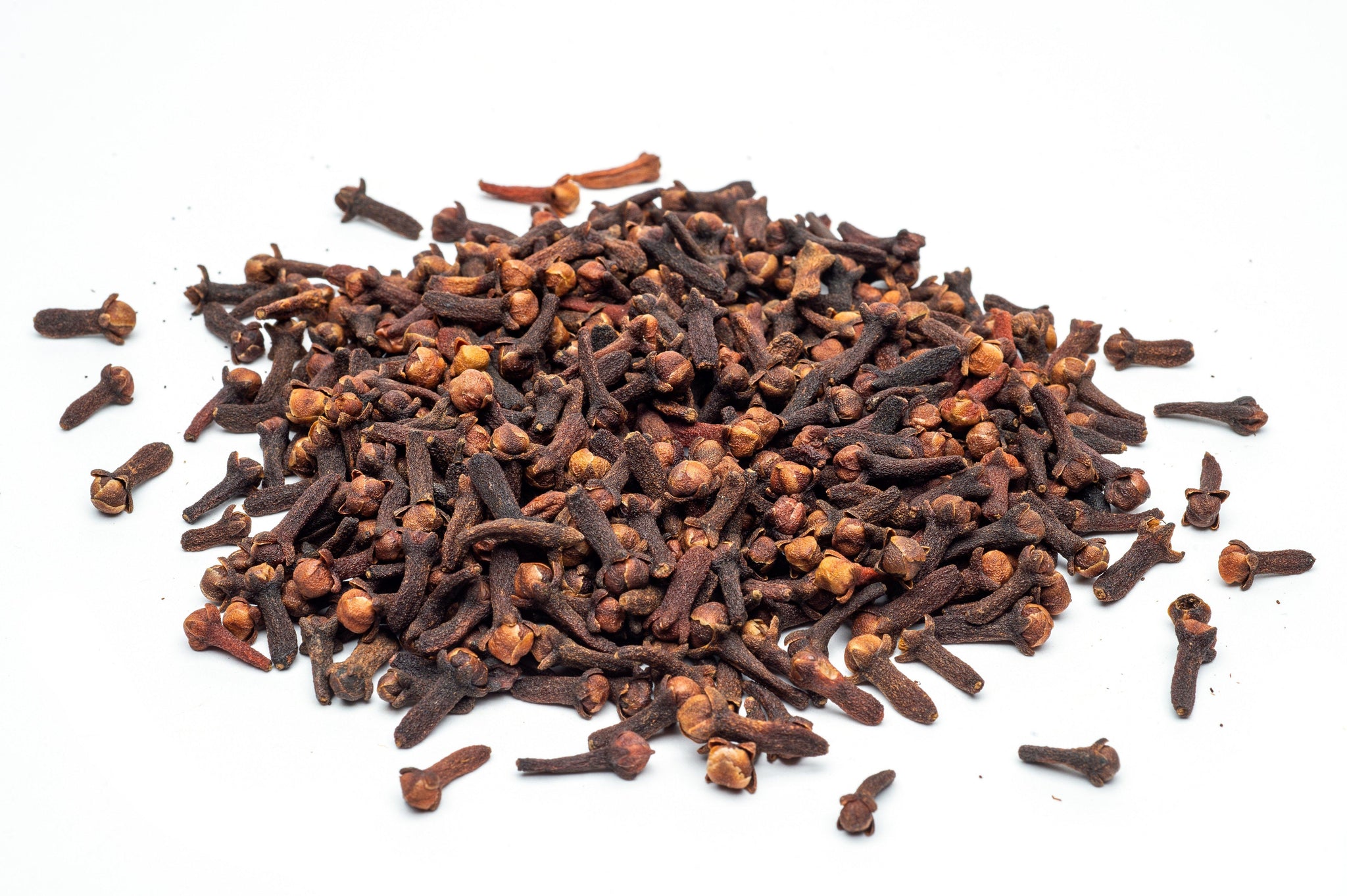
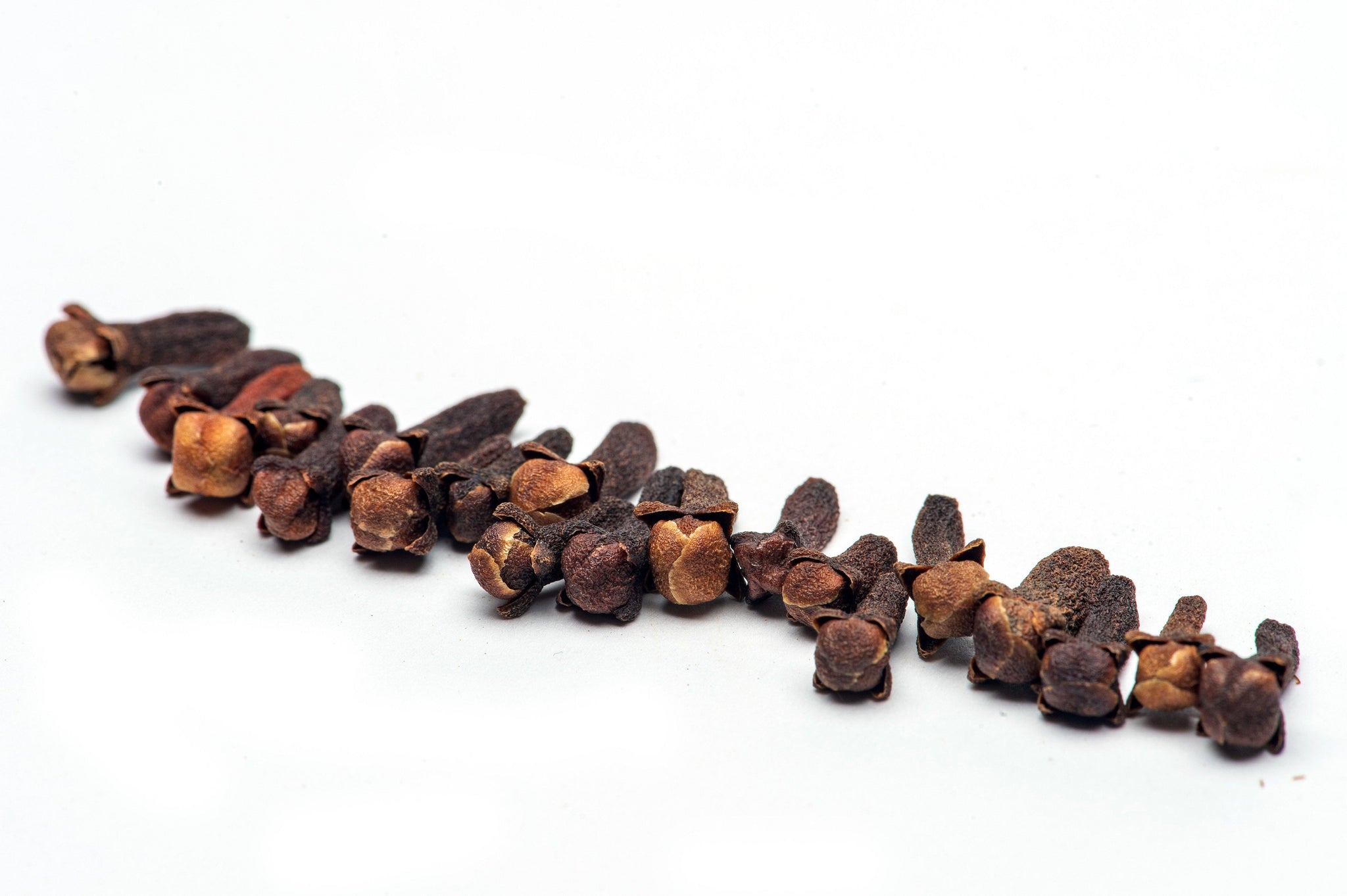
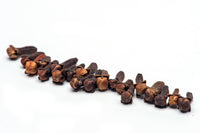
Whole Sri Lankan cloves are the sweet, spicy, and aromatic unopened flower bud from a Syzygium aromaticum tree, a member of the evergreen family native to Indonesia's Maluku Islands, historically known as the Spice Islands. These cloves are selectively hand-picked and dried to preserve flavor.
Cloves should be a staple of any spice pantry, not just purchased for the holidays. They're a key ingredient in many recipes, including classic béchamel sauce, pickled vegetables, braises and stews, chai, and even jamu, the traditional Indonesian herbal elixir, we've turned it into a refreshing granita using cloves, mint, and star anise. Curious whether clove counts as an herb or a spice? We break it down here.
Whole Cloves, Hand-Picked and Aromatic
How Cloves Grow and Get Their Signature Power
Should You Eat Whole Cloves?
The exotic spice adds a depth of flavor that can't be replicated. They're sweet, spicy, and somewhat bitter. Whole Sri Lankan cloves are prized for being higher in essential oils than other varieties of the tiny unopened flower that resembles a small wrought head nail.
Try Slofoodgroup brand cloves today and see for yourself why we can't stop raving about these powerful little flower buds from the Syzygium aromaticum tree.
*Our cloves, like all of our products, are Non-GMO, gluten free, vegan, all-natural, and certified kosher by EarthKosher.
Clove buds start out pale green, then gradually shift to pink and finally deep red as they mature, the color change is exactly how growers know it's time to hand-pick them, just before the flower would open. What gives cloves their unmistakable warmth, and that faint numbing sensation on the tongue, is eugenol, an aromatic compound that makes up roughly 70-90% of clove's essential oil content. It's the same compound historically used in dental care for its numbing properties, and it's responsible for nearly everything people associate with the flavor and aroma of cloves.
Whole cloves are technically edible, but they're not meant to be bitten into directly, their concentrated eugenol content makes for an intensely sharp, unpleasant bite. Instead, whole cloves are meant to infuse a dish while cooking, added to a simmering broth, mulled wine, or braise, then removed before serving, the same way you'd treat a bay leaf or a cinnamon stick. Try tossing a few into our autumn hot toddy or a cinnamon-clove gin and tonic for a warming, aromatic drink. Cloves are also commonly used ground in seasonal spice blends, like pumpkin spice, pie spices, or flavored sugars, but in their whole form, that same concentrated flavor can quickly become overpowering if left in a dish too long or eaten directly.
Uses for Whole Cloves
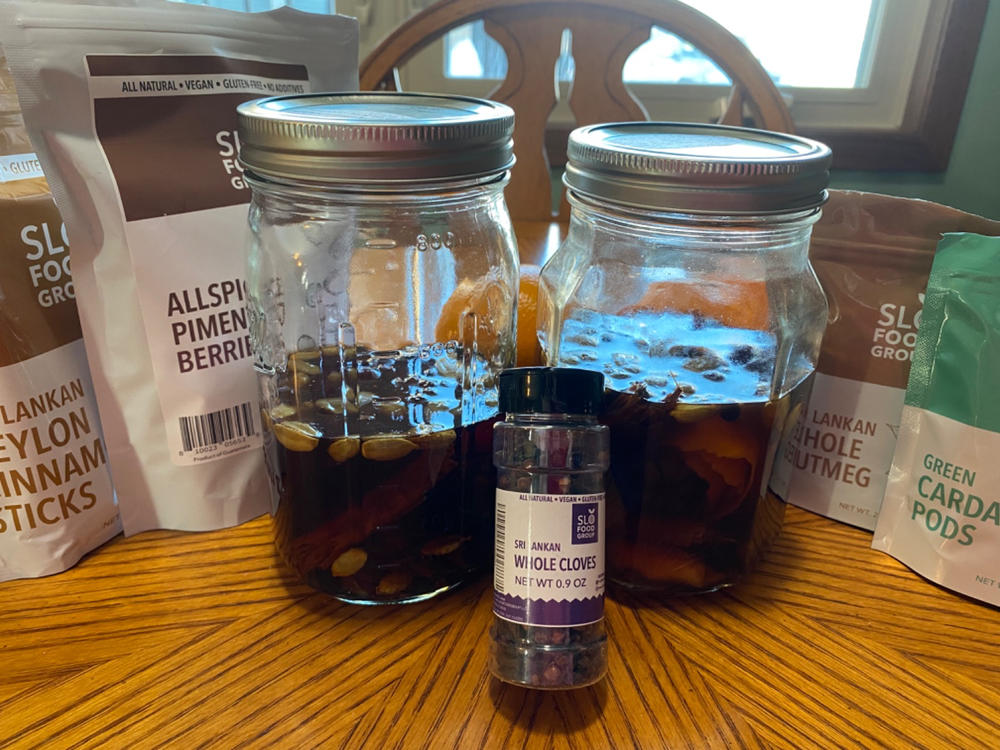
Eggnog, mulled wine, pickling, roasts, pastries, spiced desserts, hot toddies, stews, braises, many classic Indian dishes, Caribbean and Asian spice blends, and so much more! Pair with Ceylon cinnamon for a classic holiday spice combination.


Frequently Asked Questions
- Whole cloves are technically edible, but they're not meant to be bitten into directly, their concentrated flavor makes for an intensely sharp, unpleasant bite. They're meant to infuse a dish while cooking and then be removed before serving, the same way you'd treat a bay leaf or cinnamon stick.
- Clove is considered a spice. Though the bud is technically a flower, it's harvested before it blooms, which classifies it as a spice rather than an herb. Read our full breakdown for more detail.
- Eugenol, an aromatic compound that makes up roughly 70-90% of clove's essential oil content, is responsible for cloves' signature warmth and the faint numbing sensation on the tongue.
- Sri Lankan cloves are prized for having a higher essential oil content than cloves from many other growing regions, resulting in a more intense, concentrated flavor and aroma.
- Cloves are a staple in eggnog, mulled wine, pickling, roasts, pastries, spiced desserts, hot toddies, stews, braises, and many classic Indian, Caribbean, and Asian dishes. They pair especially well with Ceylon cinnamon.