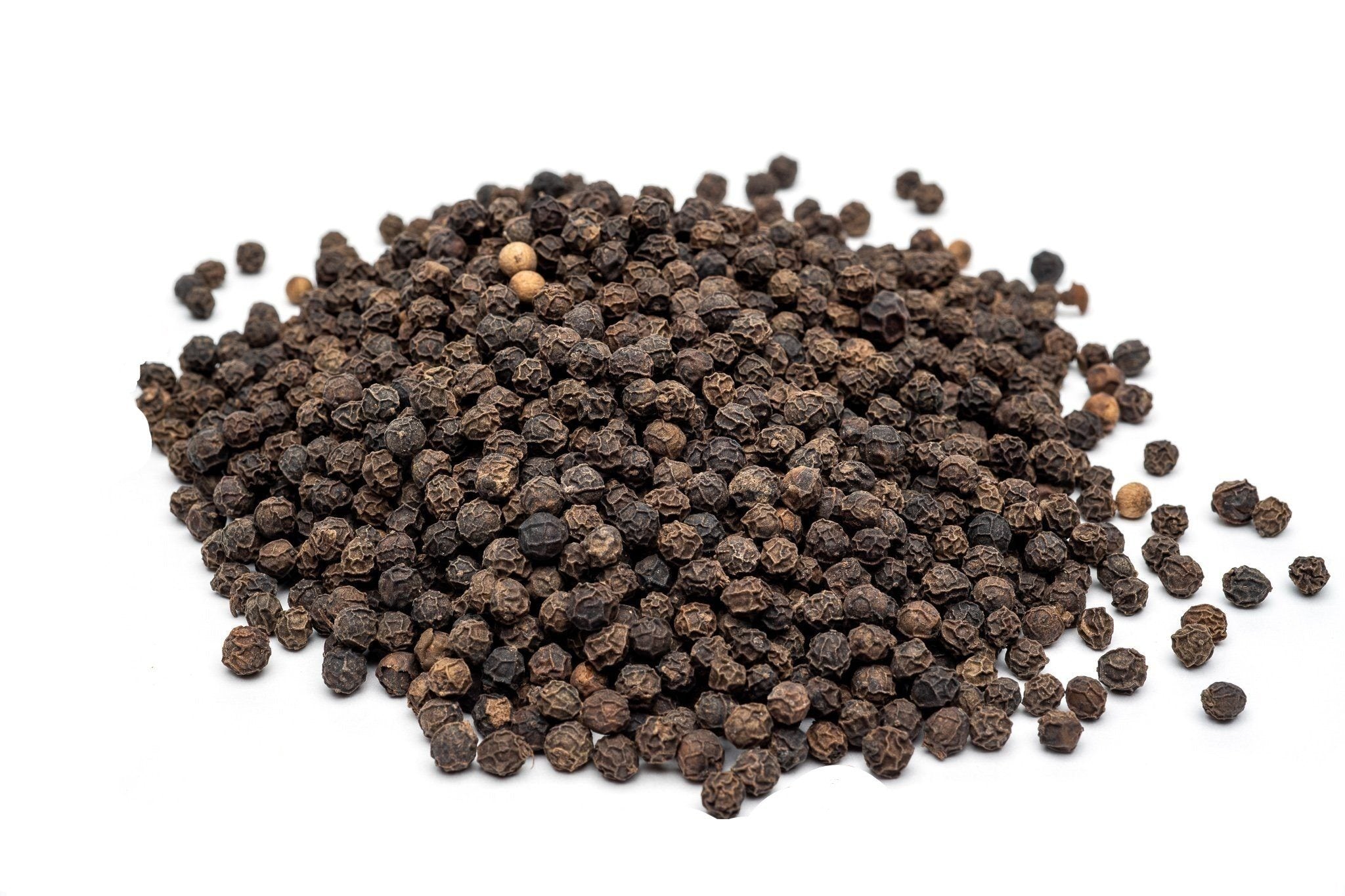
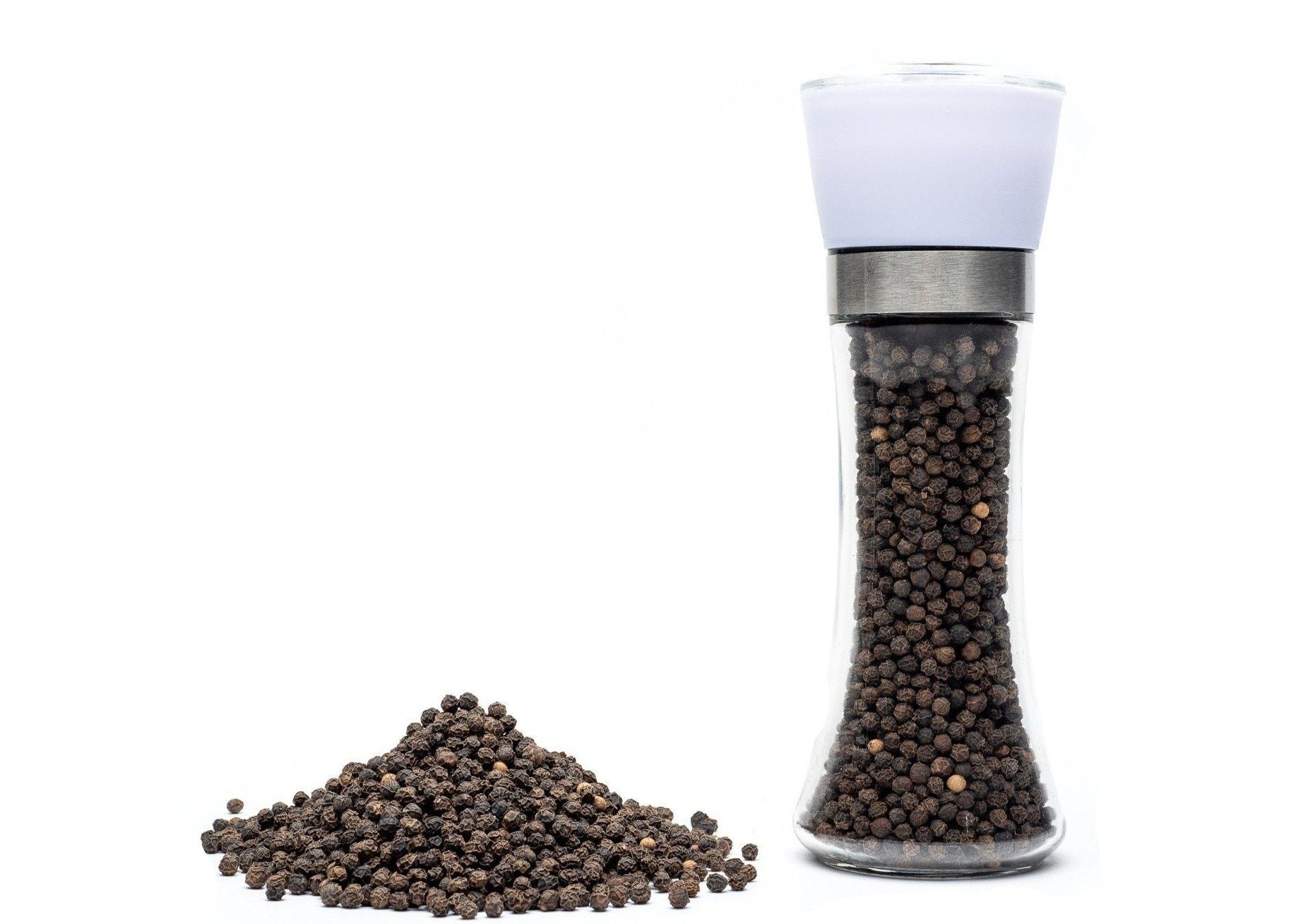
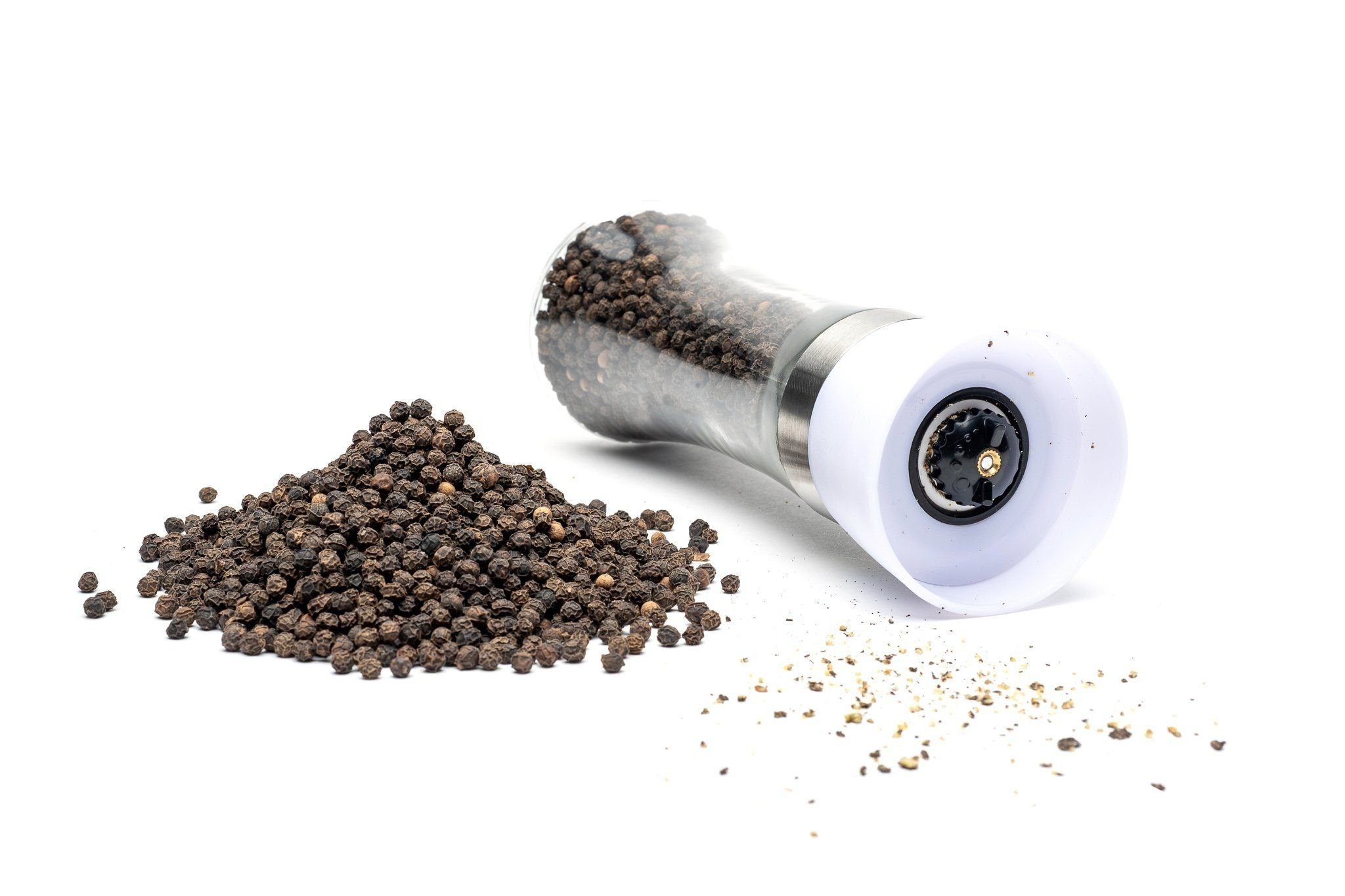
Granos de pimienta negra
Granos de pimienta enteros para sazonar, cocinar y asar a la parrilla
Current price: $ 147.00

Vanilla Beans
Excellent Product! Excellent Service!

I'm a convert
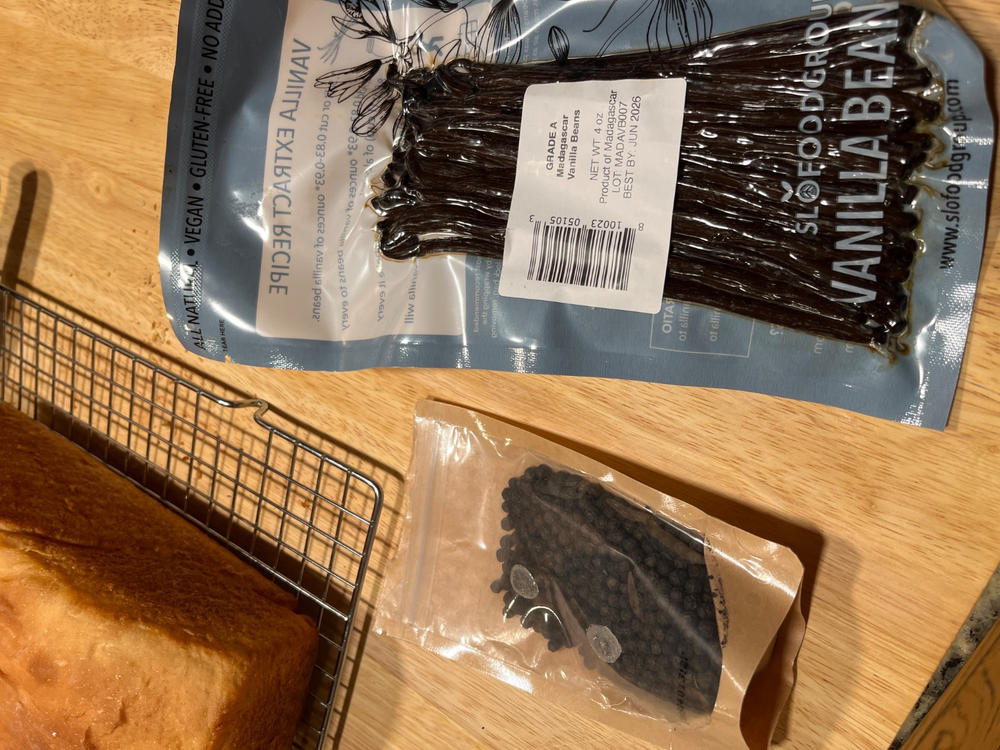
I've been making my own vanilla extract for over a decade and used to buy my beans based on reviews at a Infamous Global seller. Was never sure what I would get. Then I found this company! The beans were beautiful! Fragrant, moist but not too moist, easy to cut open to expose the seeds and each Bean was six to seven inches long. I'm a happy extract maker! 💝💃🥳
High Quality Vanilla - excellent customer service.
Slo Food group team takes great care of their customers. Received a broken bottle of Vanilla and it was immediately handled. Received my replacement bottle within 3 days.
This extract is used to make our Tahitian Vanilla Cakes!

Great place to get your spices
SLO Food group is the best place I have found to buy my vanilla beans, great customer service, fast shipping and very competitive prices. Thank you for helping me with my project, Vanilla extract. Thank you don young



This is a carousel with one large image and a track of thumbnails below. Select any of the image buttons to change the main image above.
Vanilla Beans
Excellent Product! Excellent Service!
I'm a convert
I've been making my own vanilla extract for over a decade and used to buy my beans based on reviews at a Infamous Global seller. Was never sure what I would get. Then I found this company! The beans were beautiful! Fragrant, moist but not too moist, easy to cut open to expose the seeds and each Bean was six to seven inches long. I'm a happy extract maker! 💝💃🥳
High Quality Vanilla - excellent customer service.
Slo Food group team takes great care of their customers. Received a broken bottle of Vanilla and it was immediately handled. Received my replacement bottle within 3 days.
This extract is used to make our Tahitian Vanilla Cakes!
Great place to get your spices
SLO Food group is the best place I have found to buy my vanilla beans, great customer service, fast shipping and very competitive prices. Thank you for helping me with my project, Vanilla extract. Thank you don young
Small Origin, Big Flavor

Exceptionally High Piperine
Sri Lankan black pepper is prized for elevated piperine content, the compound behind pepper's signature flavor and aroma, resulting in a noticeably bolder, more complex bite.

A Rare Origin
Sri Lanka produces less than 2% of the world's black pepper supply, making genuine Sri Lankan peppercorns a genuinely scarce find compared to mass-market pepper.

Floral, Citrus Complexity
Beyond heat, Sri Lankan black pepper carries floral and citrus notes most standard black pepper lacks.

Same Vine as White and Green
Black, white, and green pepper all come from the same Piper nigrum plant, harvest timing and processing are what set them apart.
Technical Specifications
| Origin | Sri Lanka |
|---|---|
| Botanical Name | Piper nigrum |
| Common Names | Black Pepper, Black Peppercorns, Ceylon Peppercorns |
| Grade | Whole, Gourmet |
| Active Compound | Piperine |
| Bulk Density | 550 g/L |
| Flavor Profile | Floral, Citrus, Strong Pungency |
| Growing Regions | Kandy, Matale, Kegalle, Badulla, Ratnapura, Monaragala, Kurunegala |
| Certifications | Kosher (EarthKosher), GMP |
| Uses | Red Meats, Stews, Wild Game, Salads, Roasted Potatoes, Steak au Poivre |
| Pairing | Sea Salt, Cream Sauces, Roasted Vegetables |
| Storage | Airtight, Opaque Container; Cool, Dark Place Away From Heat and Light |
| Shelf Life | 24-36 Months Properly Stored |
| Packaging | Barrier Film Pouches and Bags, Food-Grade |
The King of Spice, Whole Black Peppercorns
Botanically known as Piper nigrum, black pepper is the world's most traded and consumed spice, and with good reason. It tastes great and adds a mild but spicy kick to many dishes. Its versatility is quite unmatched, and it's hard to find a savory dish that doesn't at least call for black pepper to taste. Black pepper is used in cooking worldwide for so many recipes you could easily write a book on its many uses across the globe. Take the classic French Steak au Poivre, this dish certainly wouldn't be the same without black pepper.
Here at Slofoodgroup, we find whole black pepper to be an especially phenomenal addition to red meats, stews, wild game (such as venison), salads, and roasted potatoes. We avoid using black peppercorns with fish and other seafood, using white pepper instead. That's not to say you should pull black pepper from your favorite recipe if it suits your fancy, the glorious thing about culinary arts is every chef can take the liberty to add or eliminate ingredients as they see fit. A little salt and pepper go a long way in really bringing out the flavor in food that it would be a culinary shame to cook without. One might even say food would be bland and boring without salt or pepper.
Why Buy Whole Black Peppercorns From Sri Lanka?
How Are These Black Peppercorns Different From Other Peppercorns?
Facts about Sri Lankan Black Peppercorns
Comprising less than two percent of the world's supply of black pepper, Sri Lankan black pepper is known for its higher piperine content. Piperine is the compound responsible for the recognizable flavor and aroma of black pepper, and it's the high level of piperine in Sri Lankan peppercorns that makes them superior in quality regarding flavor and aroma.
Piper nigrum grows across many tropical regions, but not all black pepper is created equal. Sri Lankan black pepper is prized for its notably higher piperine content compared to pepper grown elsewhere, resulting in a bolder, more complex bite alongside floral and citrus notes that more generic, mass-market black pepper typically lacks. Where standard black pepper is often grown for volume, Sri Lanka's terroir, elevation, and traditional processing produce a smaller, more concentrated harvest, one reason Sri Lanka supplies less than 2% of the world's black pepper despite the quality being so highly regarded.
*Our black peppercorns are non-GMO and certified kosher by EarthKosher.
- Sri Lankan black peppercorns come from the Piper nigrum plant, a tropical vine indigenous to South Asia. Sri Lanka, known for its rich spice heritage, grows on average two percent of the world's supply of pepper and cultivates this plant extensively for culinary and Ayurvedic purposes.
- Peppercorns from Sri Lanka are commonly referred to as Ceylon peppercorns, the term "Ceylon" is an ode to Sri Lanka's previous colonial name and most commonly associated with Ceylon cinnamon.
- Flavor and aroma: floral, citrus, and strong pungency.
- Black peppercorns from Sri Lanka are considered a premium peppercorn due to the high piperine content.
- The same tropical vine whose berries produce black peppercorns also produces white peppercorns and green peppercorns, depending on when the berries are harvested and the processing method used.
Interested in learning more about black pepper? Check out this short article about where black pepper comes from.
Grind Fresh for Maximum Flavor
Piperine and the volatile oils responsible for black pepper's aroma begin breaking down the moment a peppercorn is cracked open, which is why pre-ground pepper loses its punch so quickly compared to the whole corn. For the boldest flavor, grind or crush your peppercorns just before adding them to a dish rather than seasoning in advance. A pepper mill is ideal for a fine, even grind at the table or while cooking, while a mortar and pestle gives you more control over coarseness for a crust on a seared steak or a rustic finish on roasted vegetables. If a recipe calls for whole peppercorns steeped in a sauce or brine, add them early to let their flavor fully infuse, then strain them out before serving.


Frequently Asked Questions
- Whole black peppercorn is commonly used as a seasoning to add flavor and heat to dishes. It can be ground into a powder using a pepper mill or mortar and pestle, or used whole in soups, stews, marinades, and sauces. It's a versatile spice that pairs well with a wide range of ingredients, from meats and salads to potatoes.
- Yes, black pepper can be used as a substitute for whole black peppercorns in most recipes.
- Yes, whole black peppercorn and black pepper are essentially the same thing. Whole black peppercorn refers to the dried fruit of the Piper nigrum plant, while black pepper is the ground form of these dried fruits. Both share the same distinctive flavor profile and are used interchangeably in cooking.
- Piperine and the volatile oils responsible for black pepper's aroma begin breaking down the moment a peppercorn is cracked open, which is why pre-ground pepper loses its punch so quickly compared to the whole corn. For the boldest flavor, grind or crush peppercorns just before adding them to a dish rather than seasoning in advance.
- Crushing whole black peppercorns can be done using a pepper mill or grinder, a mortar and pestle, or by placing the peppercorns in a resealable plastic bag and crushing them with a rolling pin or the bottom of a heavy pan. Whichever method you choose, ensure the peppercorns are crushed evenly to release their full flavor.
- Yes, black peppercorns can be eaten whole, but they are extremely pungent and may cause a strong, spicy sensation in the mouth. Consuming whole black peppercorns is not common due to their intense flavor and texture.
- Whole black peppercorn can be found directly here on our website at Slofoodgroup.
- Black peppercorn is costly due to labor-intensive cultivation, manual harvesting and processing, transportation challenges from remote regions, and its premium status in culinary traditions. Sri Lankan black pepper in particular is scarce, comprising less than 2% of the world's total black pepper supply.
- Store in an airtight, opaque container away from direct sunlight, moisture, and heat sources, preferably in a cool, dark pantry or cupboard. Light degrades piperine by roughly 30% within three months of exposure, so an opaque container matters as much as an airtight one. Properly stored, whole black peppercorn retains its quality for up to two to three years.