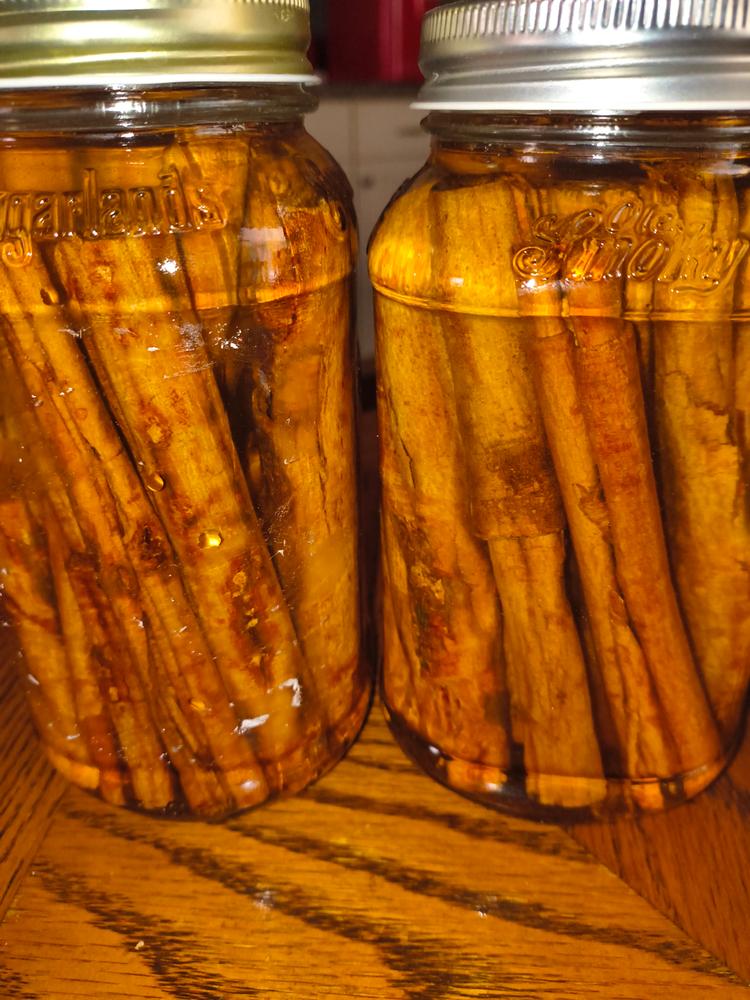
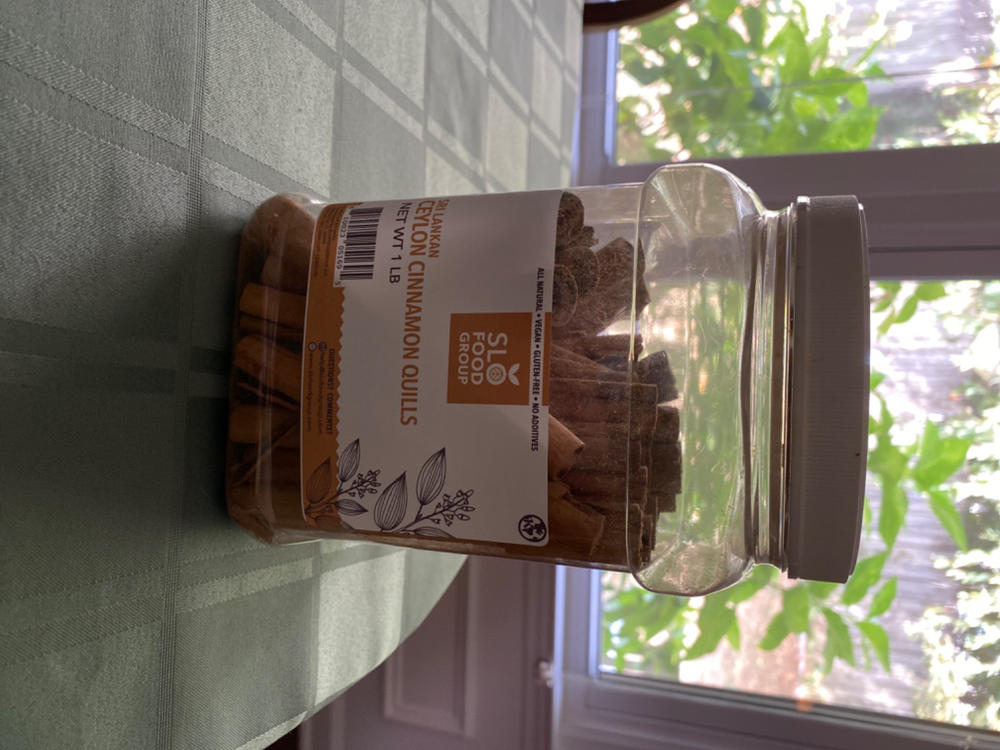
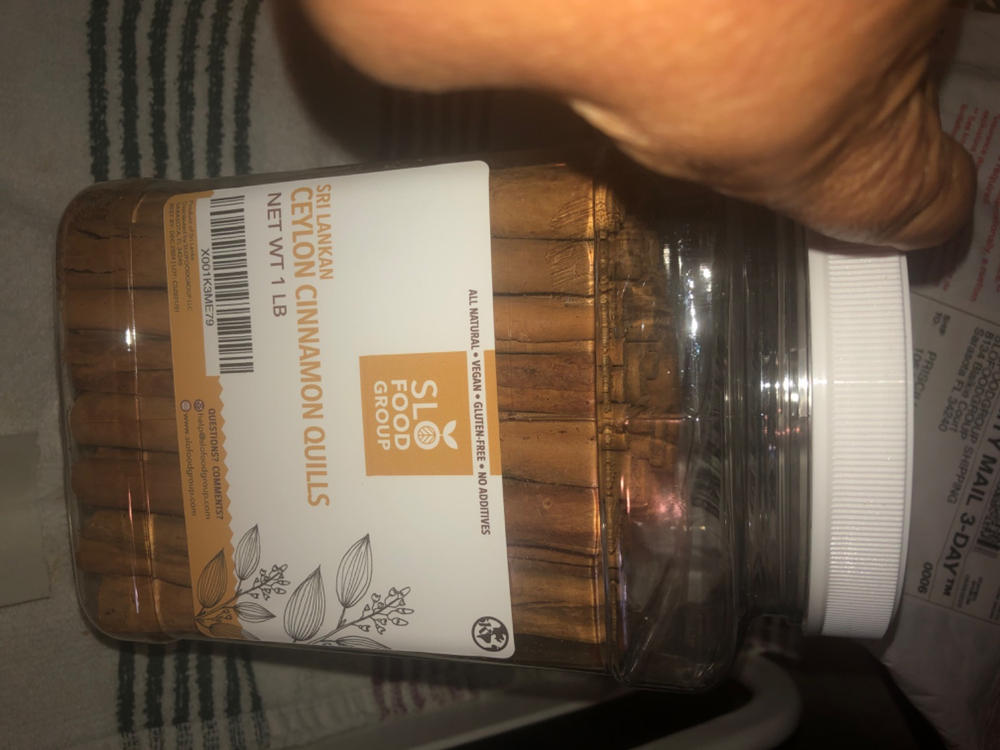
Ceylon Cinnamon Sticks, Sri Lankan
True Cinnamon, Cinnamomum verum

Vanilla Beans
Excellent Product! Excellent Service!

I'm a convert
I've been making my own vanilla extract for over a decade and used to buy my beans based on reviews at a Infamous Global seller. Was never sure what I would get. Then I found this company! The beans were beautiful! Fragrant, moist but not too moist, easy to cut open to expose the seeds and each Bean was six to seven inches long. I'm a happy extract maker! 💝💃🥳
High Quality Vanilla - excellent customer service.
Slo Food group team takes great care of their customers. Received a broken bottle of Vanilla and it was immediately handled. Received my replacement bottle within 3 days.
This extract is used to make our Tahitian Vanilla Cakes!

Great place to get your spices
SLO Food group is the best place I have found to buy my vanilla beans, great customer service, fast shipping and very competitive prices. Thank you for helping me with my project, Vanilla extract. Thank you don young



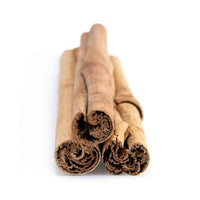
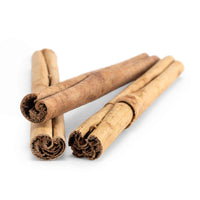
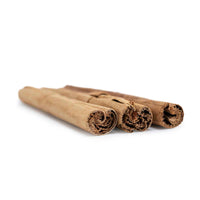
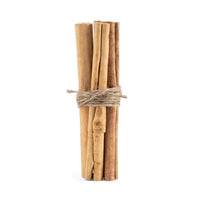
This is a carousel with one large image and a track of thumbnails below. Select any of the image buttons to change the main image above.
Vanilla Beans
Excellent Product! Excellent Service!
I'm a convert
I've been making my own vanilla extract for over a decade and used to buy my beans based on reviews at a Infamous Global seller. Was never sure what I would get. Then I found this company! The beans were beautiful! Fragrant, moist but not too moist, easy to cut open to expose the seeds and each Bean was six to seven inches long. I'm a happy extract maker! 💝💃🥳
High Quality Vanilla - excellent customer service.
Slo Food group team takes great care of their customers. Received a broken bottle of Vanilla and it was immediately handled. Received my replacement bottle within 3 days.
This extract is used to make our Tahitian Vanilla Cakes!
Great place to get your spices
SLO Food group is the best place I have found to buy my vanilla beans, great customer service, fast shipping and very competitive prices. Thank you for helping me with my project, Vanilla extract. Thank you don young
What Makes True Ceylon Cinnamon Worth the Price

True Ceylon Cinnamon
Genuine Cinnamomum verum, the species known as "true cinnamon," stands apart for its delicate flavor and aroma. Unlike common Cassia, it has a milder, less sharp taste, making it a favorite for gourmet recipes and among those who are more selective about the ingredients in their cooking.

Low Coumarin Content
Ceylon cinnamon naturally contains significantly less coumarin than Cassia cinnamon, a compositional difference that makes it a common choice for those who cook with cinnamon frequently, such as in teas, smoothies, or spice blends

Hard-Harvest Excellence
Grown using natural, sustainable methods and hand-rolled by skilled artisans, Ceylon cinnamon is a labor of love. Each stick is meticulously crafted to ensure the same premium quality and authenticity, no matter where in the world it's grown.

Subtle Sweet Spice
Ceylon cinnamon offers a naturally sweet flavor profile without added sugars. This makes it an ideal choice for enhancing baked goods, beverages, and savory dishes with a hint of natural sweetness.
Technical Specifications
| Botanical Name | Cinnamomum verum ("True Cinnamon") |
|---|---|
| Common Names | Ceylon Cinnamon, True Cinnamon, Sweet Cinnamon, Mexican Cinnamon |
| Origin | Sri Lanka, with Sourcing From Other True Cinnamon-Growing Regions as Needed |
| Grade | C-4 or C-5 (Grade May Vary by Availability) |
| Form | Whole Quills, Hand-Rolled |
| Length | Approximately 5 Inches, Uniform Thickness; May Vary Slightly by Batch and Natural Factors |
| Count Per Ounce | Approximately 3-4 Sticks on Average |
| Color/Appearance | Light Tan to Brown; Thin, Layered, Cigar-Like Roll |
| Texture | Soft and Brittle; Breaks Easily by Hand |
| Coumarin Content | Naturally Lower Than Cassia Cinnamon; Routinely Tested by SGS Labs |
| Certifications | Kosher, GMP |
| Growing Practices | Natural, Sustainable Farming Methods |
| Flavor Profile | Sweet, Delicate, Layered; Notes of Citrus, Sugar, and Butter |
| Aroma Note | Whole Quills Release Minimal Aroma Until Broken, Crushed, or Ground |
| Best Use | A Complementary Spice, Best Paired with Other Ingredients Rather Than Used Alone |
| Uses | Baking, Curries, Stews, Tea, Horchata, Eggnog, Oatmeal, Buttered Toast |
| Packaging | Food-Grade Pouch; Corrugated Box with Liner for Bulk Orders |
Ceylon Cinnamon, Shop True Ceylon Cinnamon Sticks Online
Ceylon cinnamon, sometimes called Sri Lankan cinnamon due to the island's historical role as its primary source, is often referred to by the monikers "true cinnamon" and "sweet cinnamon" because of its historical presence and a flavor profile that differs from the more common Cassia cinnamon. While of the same genus, Cinnamomum, Cassia bark has a much harsher taste than its, in our opinion, far superior Ceylon cousin.
For the sake of trade and purchase today, all species are considered cinnamon, but true cinnamon, in its original Latin sense, refers specifically to Cinnamomum verum, the tree from which Ceylon cinnamon is derived. True Ceylon cinnamon sticks, while less common and more expensive, are favored by pastry chefs in Europe for their soft, delicate, and clean cinnamon flavor.
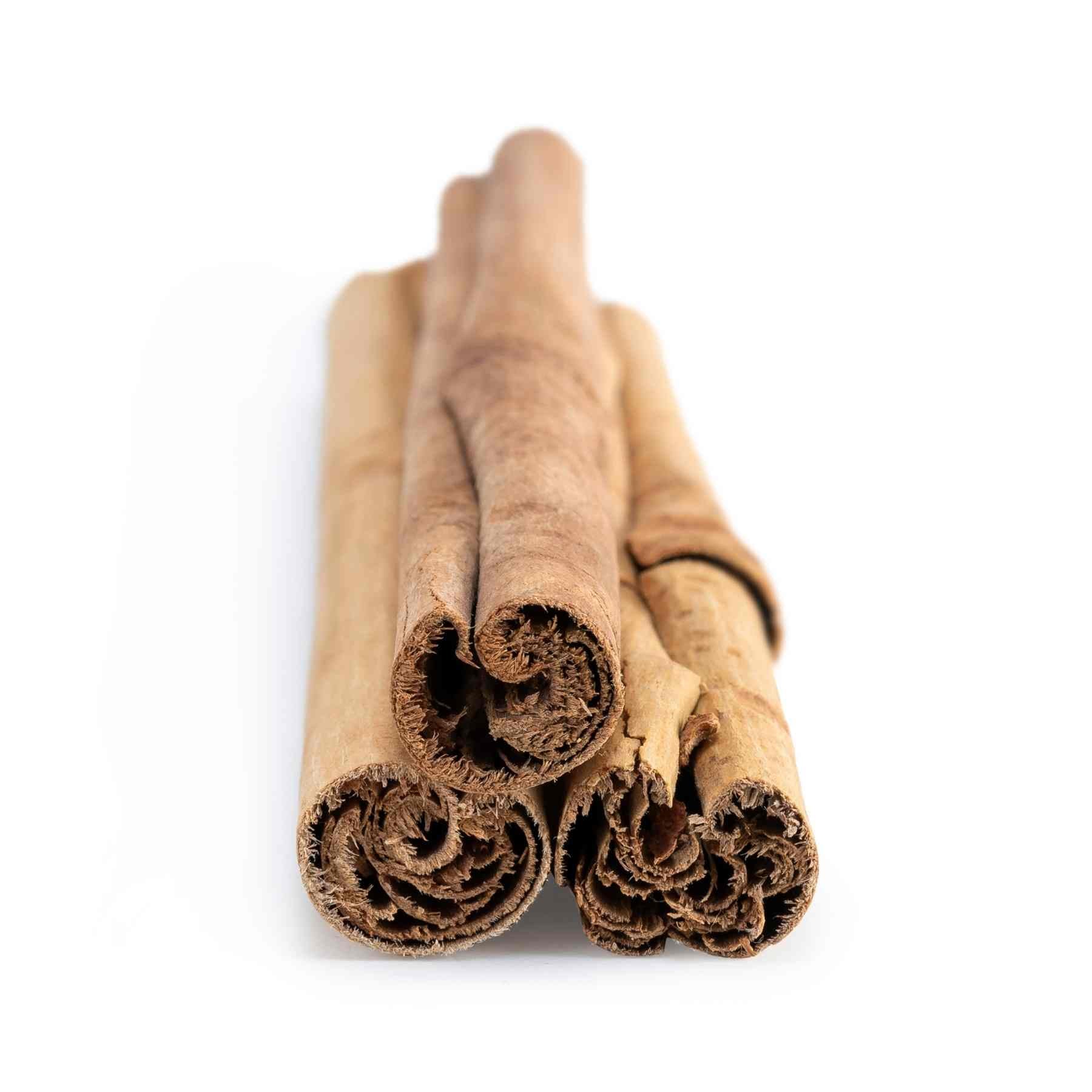
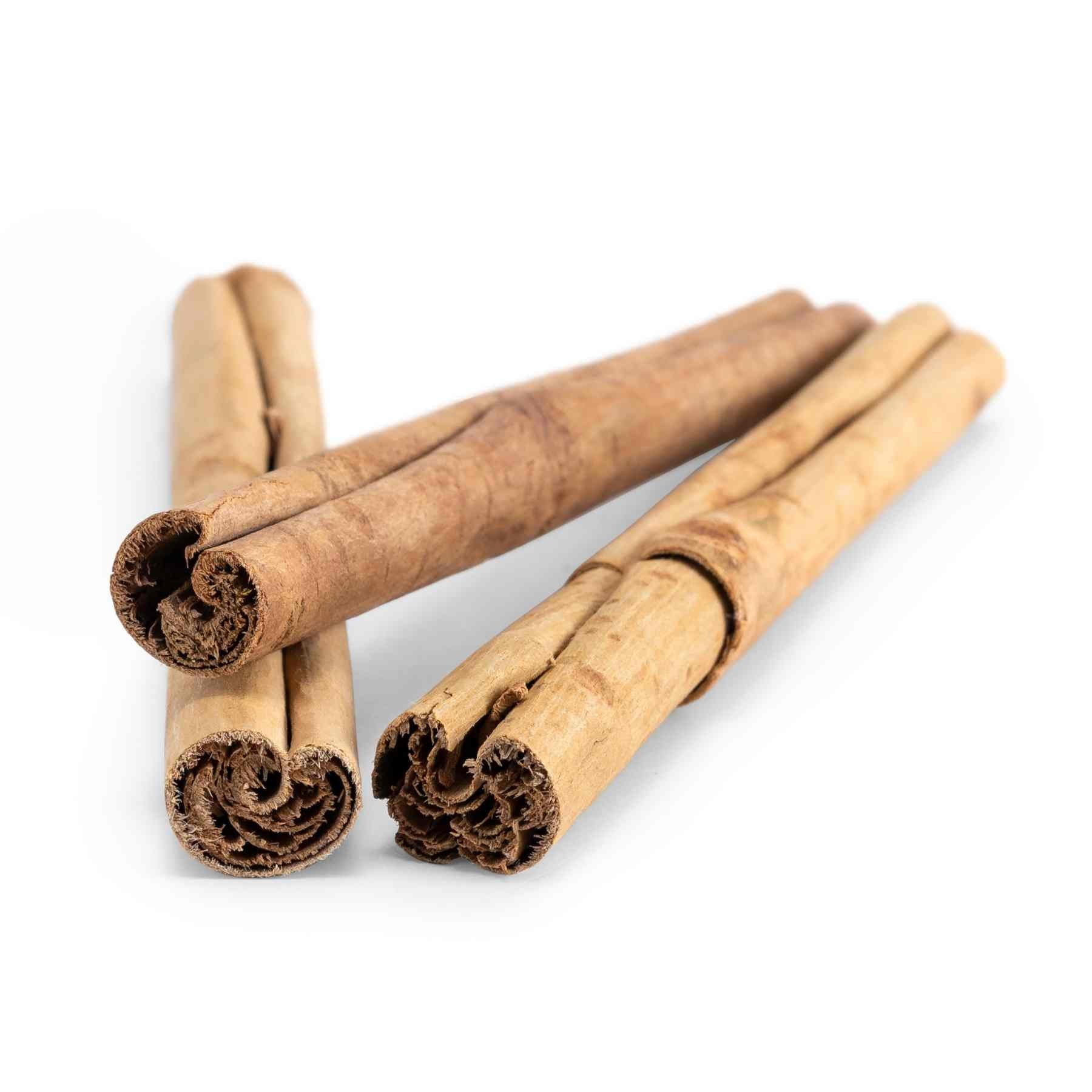
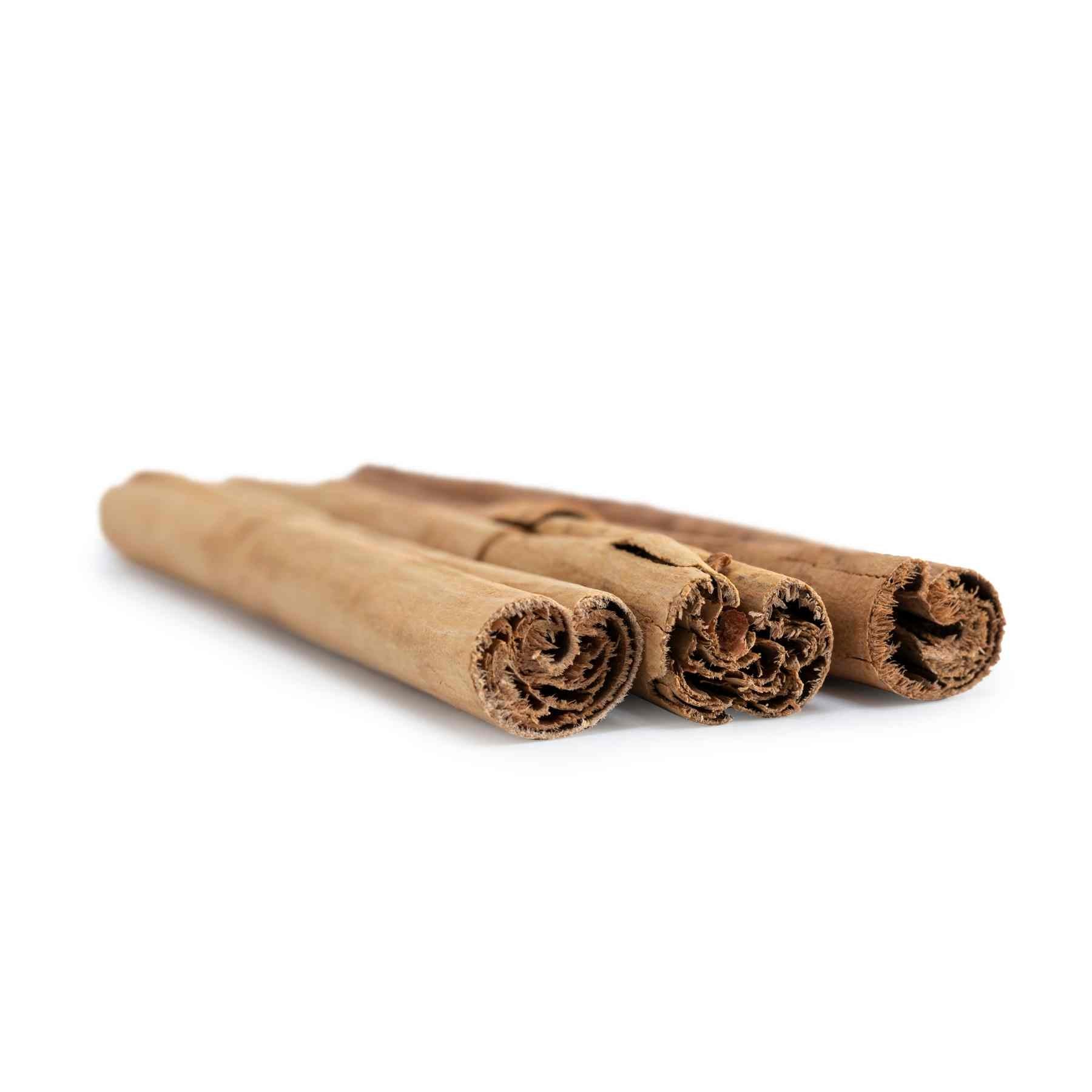
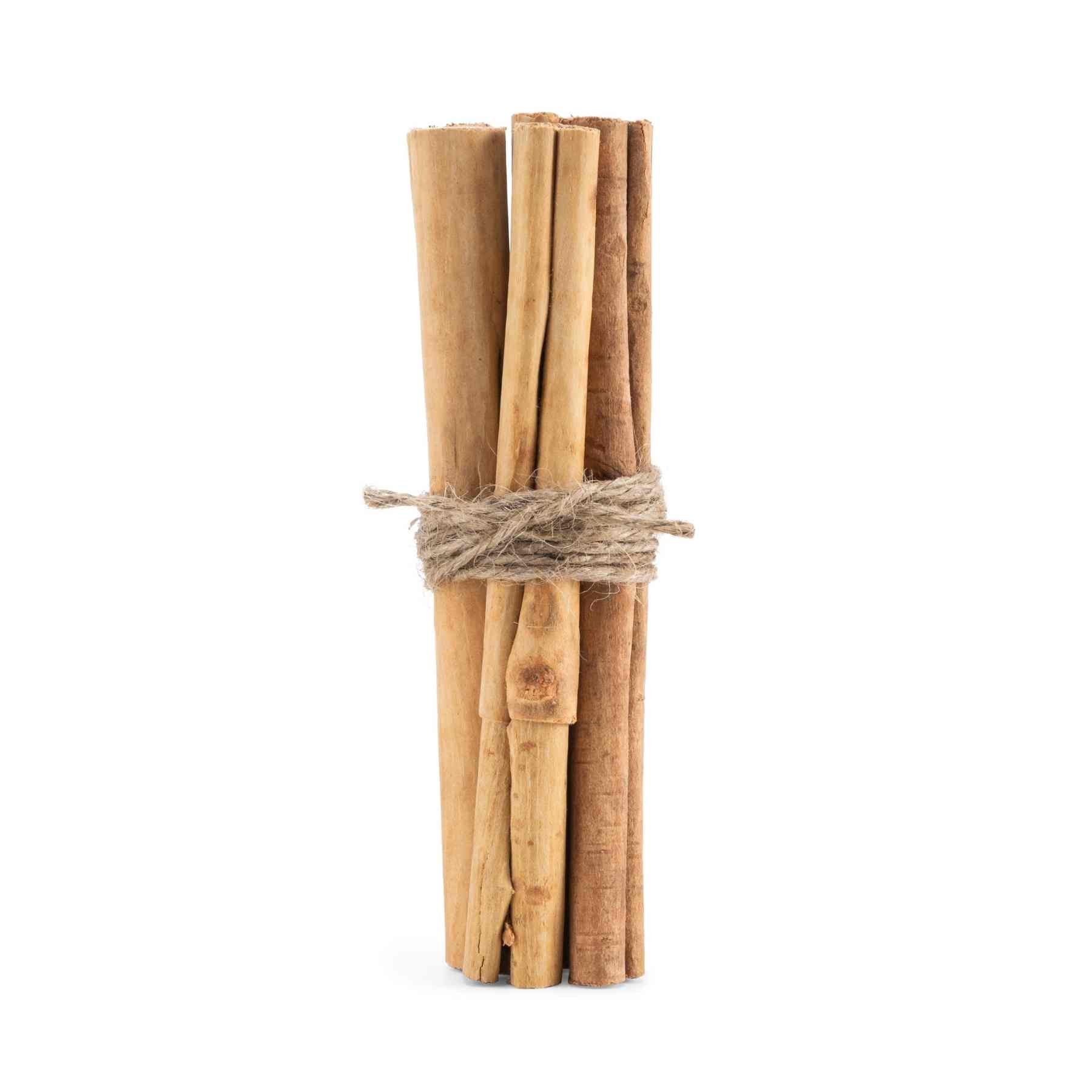
A large difference between Ceylon cinnamon quills and Cassia cinnamon sticks is that the Ceylon variety is rolled like a fine cigar, with flesh that is soft and brittle and easily broken by hand, whereas Cassia cinnamon is hardier and woodier and doesn't break as easily. These cinnamon quills are grown in fertile, tropical soils suited to true cinnamon cultivation and are a C5 grade, grown using natural and sustainable practices, the finest grade after Alba cinnamon, the second most sought-after grade in the world. Looking for Ceylon cinnamon powder instead? You can find it here.
*This product is not certified organic, and no claim of organic certification is made or implied. Organic certification requires a costly, formal third-party audit process licensed through the USDA, which can be inaccessible for smallholder farmers and family-run growing operations. Our growers use natural, sustainable farming methods, prioritizing quality and environmental responsibility without pursuing formal organic certification.
How Is Our Ceylon Cinnamon Different?
How is Ceylon Cinnamon Produced?
Taste and Smell of Ceylon Cinnamon
- True Ceylon cinnamon: Our cinnamon comes from the Cinnamomum verum tree, the one true cinnamon species. Sri Lanka has historically been the primary source of true Ceylon cinnamon, and we source only from regions capable of meeting that same standard.
- Light tan to brown in color, with low levels of coumarin: Coumarin content is routinely tested by SGS Labs. Available in small amounts or bulk quantities.
- C-4 or C-5 grade: Among the highest grades of Ceylon cinnamon in the world, prized by bakers everywhere; grade availability may vary. Alba grade is the only higher classification; those quills have little to no "foxing" (blemishes caused by excess moisture) and are thinner than other Ceylon cinnamon grades.
- Length: Approximately 5 inches with a uniform thickness; may vary slightly by batch and natural factors. Roughly 4-5 sticks per ounce on average.
- Committed to quality: Always all-natural, gluten-free, and non-GMO.
- Kosher certified: Certified by EarthKosher.
- Packaging: Sold in a food-grade pouch; bulk orders are packed in a corrugated box with liner.
The growing and harvesting process of Ceylon cinnamon is unique. The stages include harvesting, peeling, rolling and drying, cutting and grading, and packaging. First, a small Ceylon cinnamon tree, an evergreen in the laurel family, is grown and nurtured for about two years. The tree is then cut down to a stump, and after a short time, dozens of small shoots spring up from it. These shoots are allowed to mature and thicken to about two inches in diameter before being harvested. Once cut, the green outer bark is shaved and peeled away, and the inner bark is sliced and struck evenly with specialized tools. The bark is peeled in layers from the heart of the wood, removed in large sheets several feet or more in length, cut into strips, and air-dried. These strips are then rolled into quills and further dried in ovens or under the sun. Once they reach the right color, the quills are cut, graded, and shipped around the world, where they're prized by bakers, culinary enthusiasts, and holistic practitioners alike.
Ceylon cinnamon is smooth and aromatic, with hints of citrus, sugar, and butter. It's known for being sweeter, softer, and more subtle than Cassia cinnamon, with a gentle warmth rather than the sharp, peppery bite common in more widely available varieties. Where Cassia delivers an intense, almost spicy heat, Ceylon cinnamon offers a more layered experience: a light floral note up front, a soft sweetness in the middle, and a clean, slightly citrusy finish that lingers without becoming overpowering.
Many first-time buyers are surprised that whole Ceylon cinnamon sticks barely smell like cinnamon at all in their natural form, some describe them as smelling closer to plain wood. This isn't a sign of a stale or low-quality product; Ceylon cinnamon simply contains different, lower levels of volatile oils than Cassia, resulting in a naturally milder aroma. Expecting it to smell like Cassia is a bit like ordering a white wine and expecting it to taste like a red, they're related, but fundamentally different in character. To experience the full scent, break or crush a piece of quill between your fingers; the aroma will bloom into a pleasant, complex scent with notes of floral and citrus.
How to Use Ceylon Cinnamon Sticks
Ceylon cinnamon is best used in unison with other ingredients to bring out and accentuate its delicate flavor, unlike Cassia cinnamon, which can easily overpower a dish on its own. Think of it a bit like vanilla: a wonderful ingredient in its own right, but one that relies on other carriers, honey and lemon in tea, sugar, butter, or complementary spices, to fully bring out its profile. Because whole quills release relatively little aroma on their own, breaking, crushing, or grinding the stick before use helps unlock its full flavor and fragrance. Add a broken piece to simmering liquids, teas, mulled wine, stocks, or curries, and let it steep for at least 15-20 minutes; the longer it simmers, the deeper the flavor becomes.
For baking, use a stick as a stirrer in warm milk or cream, or grind it fresh for a more potent alternative to pre-ground cinnamon. As a rough substitution, one 3-inch piece of stick is roughly equivalent to about 1/2 teaspoon ground cinnamon. Try it dusted over oatmeal, mixed into sugar for buttered toast, steeped into our homemade horchata, or used in classic English eggnog.


Frequently Asked Questions
- Ceylon sticks are currently available for purchase at Slofoodgroup.
- Ceylon cinnamon is often referred to as true cinnamon or sweet cinnamon. It is much less common and of higher quality than Cassia cinnamon. Cassia cinnamon sticks are stiff, woody, and have one layer, while Ceylon sticks are very fragile and have many layers. Ceylon cinnamon’s flavor is sweeter and more delicate than cassia cinnamon’s stronger and spicier notes.
- Saigon cinnamon is a species of Cassia cinnamon with a stronger flavor and aroma. Saigon cinnamon has a high concentration of oils and a more pungent flavor than Ceylon cinnamon.
- Unlike Cassia cinnamon, Ceylon cinnamon has a very low amount of coumarin. This amount makes frequent consumption of Ceylon cinnamon much safer. It has been safely used in doses of 0.5-3 grams daily for up to 6 months. However, it can be unsafe to consume in larger amounts or when used long-term
- Roughly 4-5 sticks +- depending on the grade of cinnamon and length. Each stick has natural variations in size, shape, and uniformity, so you should not take this number literally, as one ounce is a weighted measure and has nothing to do with a count. It is solely sold by weight.