


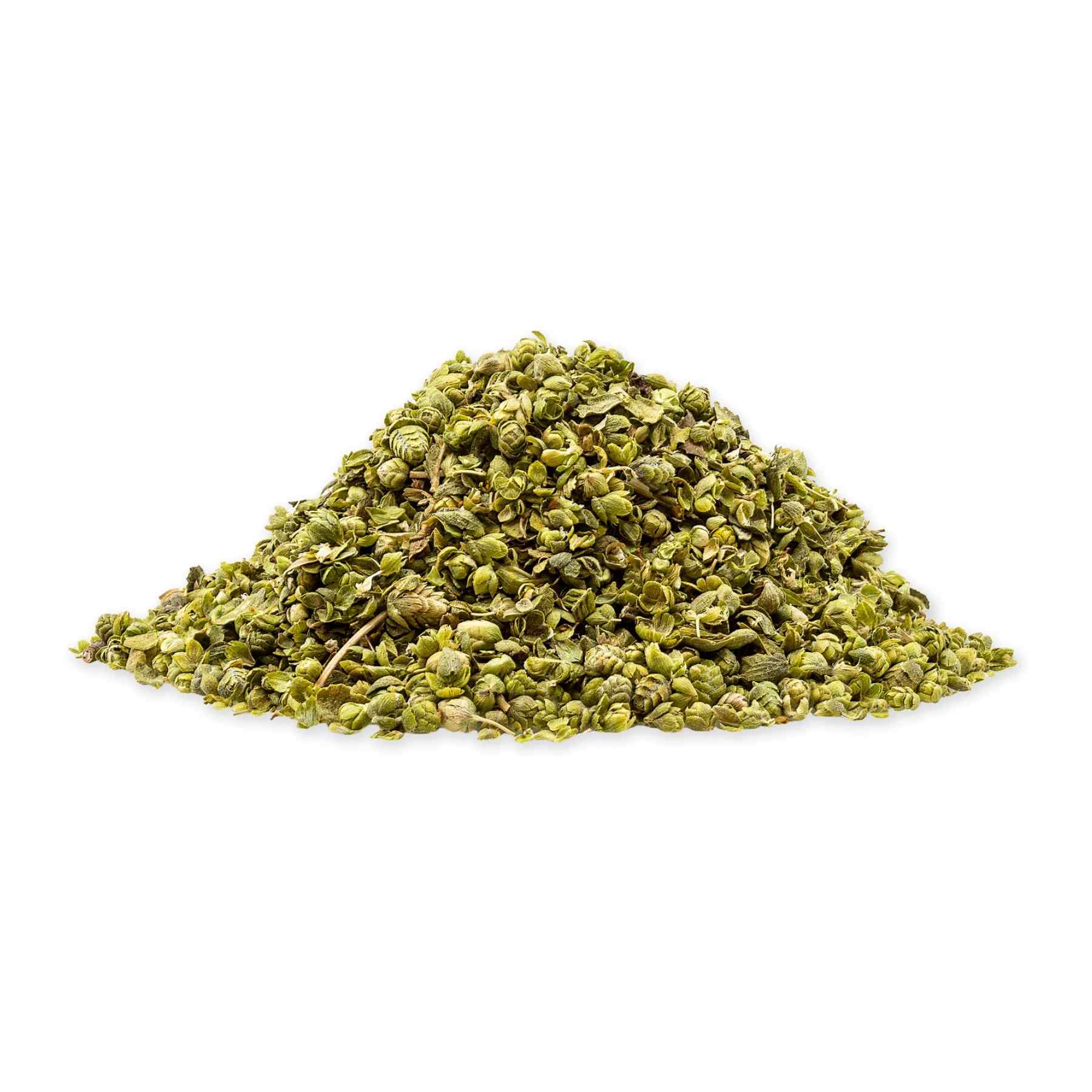
Mexican Oregano (Greek Cut)
Perfect for seasoning braised dishes, broths, adobes, rubs and more

Vanilla Beans
Excellent Product! Excellent Service!

I'm a convert
I've been making my own vanilla extract for over a decade and used to buy my beans based on reviews at a Infamous Global seller. Was never sure what I would get. Then I found this company! The beans were beautiful! Fragrant, moist but not too moist, easy to cut open to expose the seeds and each Bean was six to seven inches long. I'm a happy extract maker! 💝💃🥳

High Quality Vanilla - excellent customer service.
Slo Food group team takes great care of their customers. Received a broken bottle of Vanilla and it was immediately handled. Received my replacement bottle within 3 days.
This extract is used to make our Tahitian Vanilla Cakes!

Great place to get your spices
SLO Food group is the best place I have found to buy my vanilla beans, great customer service, fast shipping and very competitive prices. Thank you for helping me with my project, Vanilla extract. Thank you don young




This is a carousel with one large image and a track of thumbnails below. Select any of the image buttons to change the main image above.
Vanilla Beans
Excellent Product! Excellent Service!
I'm a convert
I've been making my own vanilla extract for over a decade and used to buy my beans based on reviews at a Infamous Global seller. Was never sure what I would get. Then I found this company! The beans were beautiful! Fragrant, moist but not too moist, easy to cut open to expose the seeds and each Bean was six to seven inches long. I'm a happy extract maker! 💝💃🥳
High Quality Vanilla - excellent customer service.
Slo Food group team takes great care of their customers. Received a broken bottle of Vanilla and it was immediately handled. Received my replacement bottle within 3 days.
This extract is used to make our Tahitian Vanilla Cakes!
Great place to get your spices
SLO Food group is the best place I have found to buy my vanilla beans, great customer service, fast shipping and very competitive prices. Thank you for helping me with my project, Vanilla extract. Thank you don young
A Different Plant, A Familiar Flavor

Chemistry, Not Botany
Mexican oregano shares thymol and carvacrol, the same aromatic compounds found in true oregano, despite coming from an entirely unrelated plant family.

Bolder Than Mediterranean Oregano
A more robust, citrusy, slightly licorice-forward flavor that stands up to bold, spice-forward Mexican and Tex-Mex cooking.

Mole and Beyond
A defining ingredient in mole, chili, and tomato-based sauces, though equally at home in rubs and marinades.

Greek Cut for Versatility
Cut for easy crushing and rubbing, releasing natural oils right when you need them most.
Technical Specifications
| Origin | Mexico |
|---|---|
| Botanical Name | Lippia graveolens |
| Common Names | Mexican Oregano, Oregano Cimarrón |
| Botanical Family | Verbenaceae (Lemon Verbena Family) |
| Style | Dried, Greek Cut |
| Active Compounds | Thymol, Carvacrol (Also Found in True Oregano) |
| Certifications | Kosher (EarthKosher), GMP |
| Flavor Profile | Sweet, Citrusy, Subtle Licorice, More Robust and Bitter Than Mediterranean Oregano |
| Uses | Soups, Stews, Sauces, Rubs, Moles, Meats, Vegetables |
| Pairing | Sea Salt, Citrus, Chipotle or Ancho Chile Powder, Coriander, Cumin, Garlic |
| Storage | Tightly Closed Container, Cool, Dry Place |
| Shelf Life | 24-36 Months |
| Packaging | Food-Grade Pouch or Bag; Box with Liner for Bulk Orders |
Greek Cut Mexican Oregano
Sweet, slightly citrusy Mexican oregano is an often overlooked member of the lemon verbena family that pairs well with many applications. Mexican oregano can be used for rubs, soups, stews, moles, and more. It is similar to the Greek and Turkish versions of oregano that are more closely related to the mint family.
Why Mexican Oregano Tastes Like Oregano at All
How to Use Mexican Oregano for Cooking
What You Should Know About Mexican Oregano
Despite belonging to an entirely different plant family than true oregano, Mexican oregano tastes remarkably similar, and the reason comes down to chemistry, not botany. Both plants contain thymol and carvacrol, the same aromatic compounds responsible for oregano's signature flavor, which is why Mexican oregano can, when need, convincingly stand in for the Mediterranean version in a recipe despite the two being unrelated species. Beyond that shared oregano-like base, Mexican oregano carries its own distinct character too, notes of citrus and subtle licorice that set it apart.
It is quite easy to use this herb. There are a number of different ways depending on your intended use and application. If using in a soup or stew, you can simply add a pinch or two and let it simmer. For rubs, marinades, and sauces, we recommend crushing and rubbing between your fingers to release the natural oils. Alternatively, a great use is to lightly toast the leaves in a pan or in the oven. Try using our Mexican oregano with sea salt, ancho or chipotle chili powder, coriander, and brown sugar for a nice rub on a skirt steak or other cuts of meat.
When Buying Mexican Oregano, here are some things you might want to know. Our Mexican oregano is sourced from Mexico and botanically known as Lippia graveolens, cut in the Greek style for easy use in rubs, marinades, and sauces. Store it in a tightly closed container in a cool, dry area, and it will hold its flavor for 18-24 months. Use it wherever a recipe calls for soups, stews, sauces, rubs, meats, or vegetables, it's a genuinely versatile herb worth keeping stocked in any kitchen that cooks Mexican or Tex-Mex food regularly.
Buy Mexican Oregano, A Flavor Rooted in Mexico Cuisine
The botanical name Lippia graveolens comes from the Latin words gravis, meaning "heavy," and olens, meaning "smelling," a fitting description for an herb known for its intense, pungent aroma. Though it's been used in Mexican and Central American cooking for centuries, Mexican oregano didn't gain widespread popularity in the United States until the 1970s and '80s, riding the growing popularity of Mexican cuisine north of the border. Today, it's a defining ingredient in the dishes that made it famous: pozole, mole, quesabirria, and enchilada sauces, and a worthy addition to any kitchen exploring bold, Latin American flavors. Curious to go deeper? Read more on why Mexican oregano is different, or see how it truly compares in our Mexican oregano vs. Mediterranean oregano guide.


Frequently Asked Questions
- Mexican oregano, scientifically known as Lippia graveolens, is a perennial herb native to Mexico and Central America. The flavor of Mexican oregano is characterized as being sweet, and slightly citrusy.
- Mexican oregano and Mediterranean oregano, despite sharing a similar name, offer different flavor profiles. Mexican oregano comes from the Lippia graveolens plant, while Mediterranean oregano originates from the Origanum vulgare plant. Flavor-wise, Mexican oregano tends to have a stronger, more citrusy taste with hints of pepper and earthiness, whereas Mediterranean oregano has a milder, sweeter flavor with notes of mint and pine.
- Mexican oregano is a versatile herb used in various dishes. It is commonly used for rubs to season meats, such as pork, beef, and chicken, adding depth of flavor to dishes like tacos, enchiladas, and chili. Additionally, it can be incorporated into marinades, salsas, and sauces to enhance their taste profiles. Mexican oregano pairs well with other spices and herbs like cumin, garlic, and cilantro.
- Mexican oregano can be found directly here on our website at Slofoodgroup.