


Black Lime, Dried Persian Limes
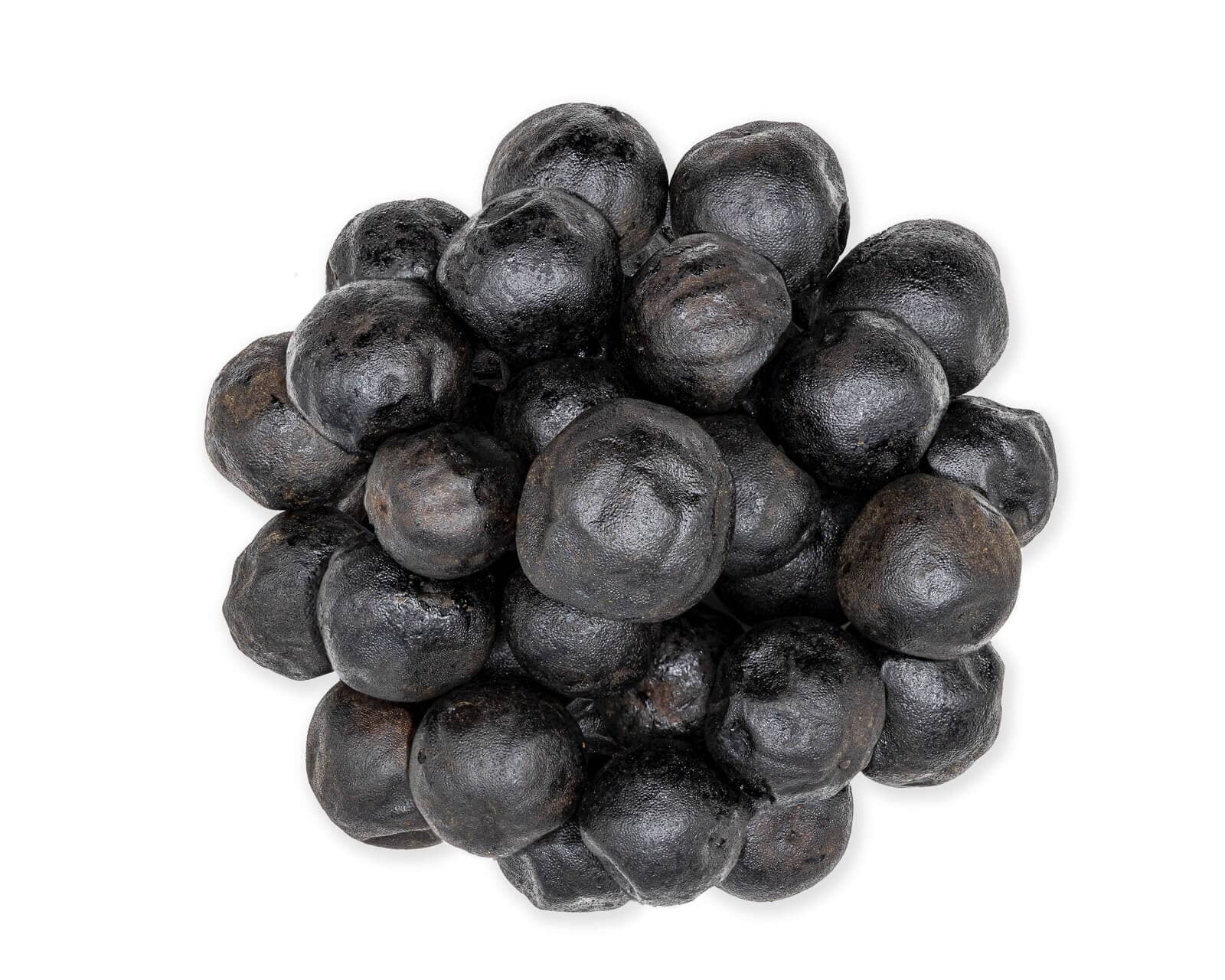
Noomi basri a Middle Eastern spice used in the souring of foods. Use in soups, sauces, rubs and more
Current price: $15.00

Vanilla Beans
Excellent Product! Excellent Service!

I'm a convert
I've been making my own vanilla extract for over a decade and used to buy my beans based on reviews at a Infamous Global seller. Was never sure what I would get. Then I found this company! The beans were beautiful! Fragrant, moist but not too moist, easy to cut open to expose the seeds and each Bean was six to seven inches long. I'm a happy extract maker! 💝💃🥳
High Quality Vanilla - excellent customer service.
Slo Food group team takes great care of their customers. Received a broken bottle of Vanilla and it was immediately handled. Received my replacement bottle within 3 days.
This extract is used to make our Tahitian Vanilla Cakes!

Great place to get your spices
SLO Food group is the best place I have found to buy my vanilla beans, great customer service, fast shipping and very competitive prices. Thank you for helping me with my project, Vanilla extract. Thank you don young




This is a carousel with one large image and a track of thumbnails below. Select any of the image buttons to change the main image above.
Vanilla Beans
Excellent Product! Excellent Service!
I'm a convert
I've been making my own vanilla extract for over a decade and used to buy my beans based on reviews at a Infamous Global seller. Was never sure what I would get. Then I found this company! The beans were beautiful! Fragrant, moist but not too moist, easy to cut open to expose the seeds and each Bean was six to seven inches long. I'm a happy extract maker! 💝💃🥳
High Quality Vanilla - excellent customer service.
Slo Food group team takes great care of their customers. Received a broken bottle of Vanilla and it was immediately handled. Received my replacement bottle within 3 days.
This extract is used to make our Tahitian Vanilla Cakes!
Great place to get your spices
SLO Food group is the best place I have found to buy my vanilla beans, great customer service, fast shipping and very competitive prices. Thank you for helping me with my project, Vanilla extract. Thank you don young
Technical Specifications
| Origin | Guatemala |
|---|---|
| Botanical Name | Citrus latifolia (Persian Lime, dried) |
| Common Names | Loomi, Noomi Basri, Limoo Amani, Black Lemon (Colloquial, Translation Variant), Persian Black Lime, Limón (Local Guatemalan Name) |
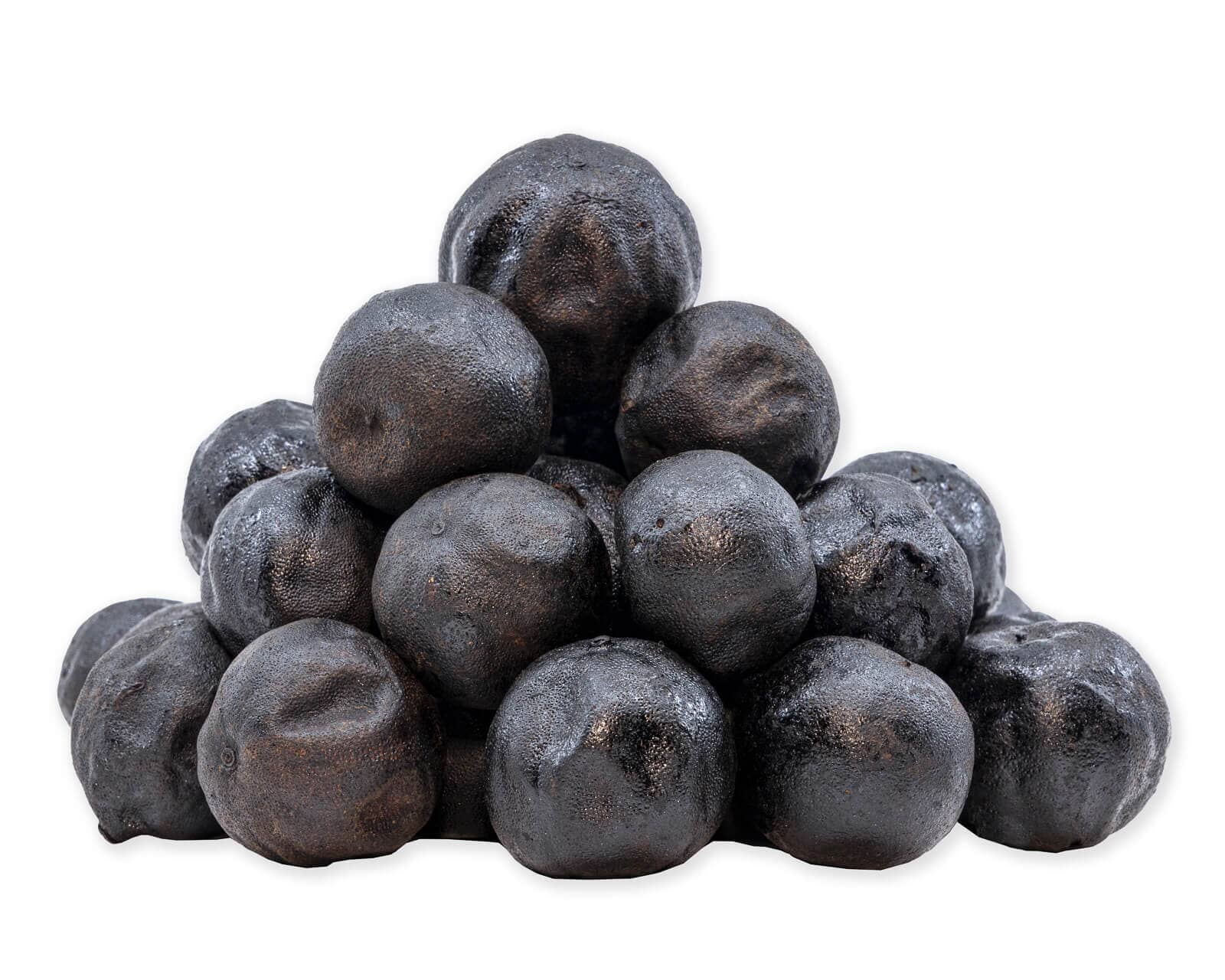
| Color/Appearance | Predominantly Black, Minor Gray Mottling Normal (Natural Sun-Drying Variation) |
| Form | Whole |
| Flavor/Aroma | Strong Citrus Aroma, Tangy, Earthy, Subtly Smoky |
| Moisture Content | 10% Maximum |
| Total Ash | 5% Maximum |
| Acid Insoluble Ash | 0.3% Maximum |
| Certifications | Kosher, GMP |
| Processing Method | Sun-Dried Whole Fruit |
| Count Per Pound | 70-90 Whole Pieces (Average) |
| Uses | Soups, Stews, Rubs, Marinades, Tea, Cocktails, Syrups, Brewing, Seafood, Meat |
| Pairing | Rice Dishes, Lamb, Chicken, Legumes, Middle Eastern Spice Blends (Baharat) |
| Preparation Note | Pierce or Slice Before Use to Release Flavor |
| Storage | Cool, Dry, Ambient |
| Shelf Life | 24-36 Months |
| Packaging | Pouch or Bag, Food-Grade |
Black limes for cooking authentic Middle Eastern cookery or new and imagined flavors
Other common names for black limes used around the world
How to use black limes in cooking
Additional details and facts about the black limes found in our shop
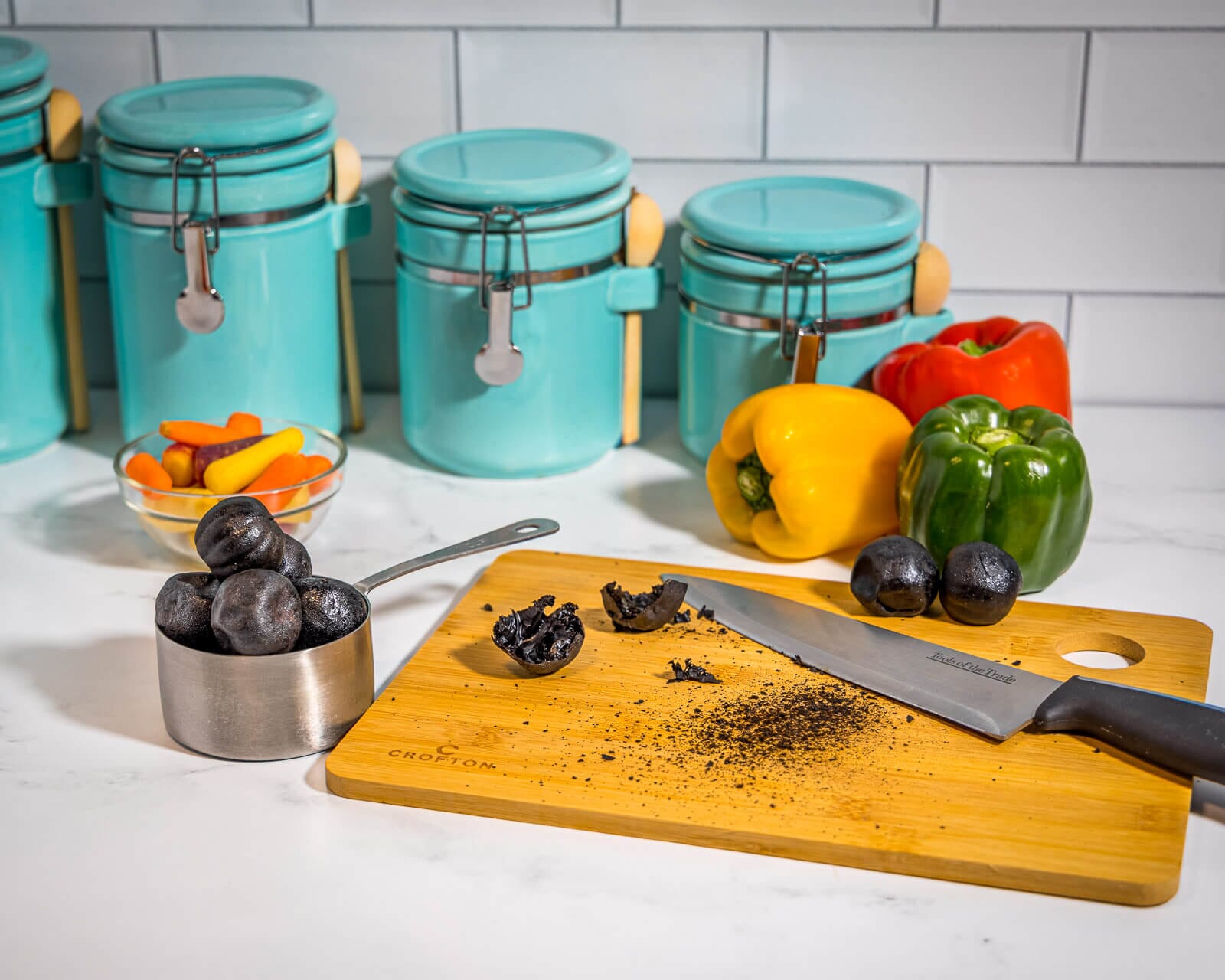
Dried limes can be used for cooking in a number of ways in the kitchen. One way is to simply slice or stick holes in the lime with a knife or toothpick and place in your soup, stew, or cooking liquid. Allowing the limes to steep similar to the use of bay leaf will infuse the liquid citrusy and souring flavor. Another way to use loomi in cooking is to grind and pulverize the dried limes into a powder for use in spice rubs such as bahārāt, or sprinkle directly into soups. Black limes can used in desserts, custards and other sweet items. Traditionally, the limes are used for a plethora of health related benefits many of which you can read about in this article, all about Loomi black limes.
- Proudly grown and dried naturally in the fertile soils and mountainous valleys of Guatemala
- Kosher Certified ingredient. You can view shop all of our kosher product here
- Average count of dried limes per pound 70-90 whole pieces
- Storage and shelf life once delivered, 24-36 months
- Can be used whole or ground Uses, cocktails, syrups, infusions, brewing, rubs, meat, stew soups...
You may also like


Frequently Asked Questions
- Black limes, also known as loomi, noomi basri, or limoo amani, are whole limes boiled in salt water and then sun-dried until they turn black. They are a staple in Middle Eastern and Persian cooking, prized for their tangy, smoky, sour flavor. Our black limes are grown and naturally sun-dried in Guatemala's fertile valleys, using Citrus latifolia (Persian lime, also called Tahiti lime), the seedless lime variety widely cultivated across Central America. Traditional loomi from the Persian Gulf region typically uses Citrus aurantiifolia (Key lime) instead; both are true limes with a similar sour, tangy profile suited to the same culinary uses. Despite sometimes being called 'black lemon' in translation (or 'limón,' the local Spanish name in Guatemala), black limes are made from lime, not lemon.
- Black limes can be used whole or ground. To use whole, pierce or slice the dried lime with a knife and add it directly to soups, stews, or braising liquid, letting it steep the way you would a bay leaf, then remove before serving. To use ground, crack the lime open and grind the dried flesh and rind into a powder for spice rubs like baharat, or sprinkle directly into dishes. Black limes are also used in teas, brines, marinades, and modern applications like ceviche. If you'd rather skip grinding them yourself, we also carry a ready-made Black Lime Powder.
- Black limes are boiled in salt water before sun-drying, producing their dark color and deeper, smokier flavor. White dried limes are typically sun-dried without the salt-water step, resulting in a lighter color and a brighter, more straightforward citrus flavor without the same smoky depth. Black limes are more commonly used in slow-cooked stews, while white limes are often used where a simpler sour note is desired.
- Yes. Because black limes are naturally sun-dried outdoors rather than processed under controlled industrial conditions, some variation in color is expected. Limes that are mostly black with minor gray mottling or lighter patches are within normal range and reflect natural differences in sun exposure and drying time across the batch. This is cosmetic, not a sign of poor quality. Limes showing fuzzy white or green patches, a soft or spongy texture, or an off, musty smell should not be used, as these are signs of spoilage.
- Store black limes in a cool, dry place, off the floor and away from walls, under normal warehouse or pantry conditions. Properly stored, they have a shelf life of approximately 24 to 36 months, though some variability is inherent to agricultural products. Our black limes are Kosher certified and meet all standards for human consumption under the Federal Food, Drug, and Cosmetic Act, prepared under sanitary, good manufacturing conditions.