


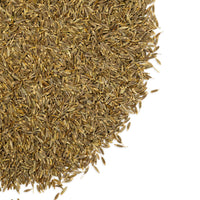
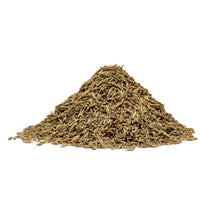
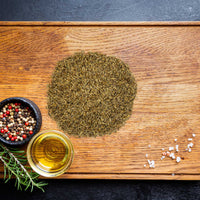
Whole Cumin Seeds
Current price: $16.00

Vanilla Beans
Excellent Product! Excellent Service!

I'm a convert
I've been making my own vanilla extract for over a decade and used to buy my beans based on reviews at a Infamous Global seller. Was never sure what I would get. Then I found this company! The beans were beautiful! Fragrant, moist but not too moist, easy to cut open to expose the seeds and each Bean was six to seven inches long. I'm a happy extract maker! 💝💃🥳

High Quality Vanilla - excellent customer service.
Slo Food group team takes great care of their customers. Received a broken bottle of Vanilla and it was immediately handled. Received my replacement bottle within 3 days.
This extract is used to make our Tahitian Vanilla Cakes!

Great place to get your spices
SLO Food group is the best place I have found to buy my vanilla beans, great customer service, fast shipping and very competitive prices. Thank you for helping me with my project, Vanilla extract. Thank you don young


This is a carousel with one large image and a track of thumbnails below. Select any of the image buttons to change the main image above.
Vanilla Beans
Excellent Product! Excellent Service!
I'm a convert
I've been making my own vanilla extract for over a decade and used to buy my beans based on reviews at a Infamous Global seller. Was never sure what I would get. Then I found this company! The beans were beautiful! Fragrant, moist but not too moist, easy to cut open to expose the seeds and each Bean was six to seven inches long. I'm a happy extract maker! 💝💃🥳
High Quality Vanilla - excellent customer service.
Slo Food group team takes great care of their customers. Received a broken bottle of Vanilla and it was immediately handled. Received my replacement bottle within 3 days.
This extract is used to make our Tahitian Vanilla Cakes!
Great place to get your spices
SLO Food group is the best place I have found to buy my vanilla beans, great customer service, fast shipping and very competitive prices. Thank you for helping me with my project, Vanilla extract. Thank you don young
Why Cumin Is a Must for Flavor Lovers

Whole Seed, Bigger Flavor
Toasting or tempering whole seeds unlocks a nuttier, more aromatic flavor that pre-ground cumin loses quickly once packaged.

A True Global Staple
From Turkish gyros to Mexican chili and Indian curries, few spices cross as many cuisines as cumin.

Rubs, Sauces, Marinades
A pantry essential for building bold spice rubs, hearty sauces, and flavorful marinades, cumin brings depth wherever it's used.

Great for Rubs, Sauces, and Marinades
A distinctive aroma and flavor profile, warm, earthy, and slightly peppery, that instantly signals real, authentic cumin.
Technical Specifications
| Origin | Turkey |
|---|---|
| Botanical Name | Cuminum cyminum |
| Common Names | Cumin, Cumin Seed, Jeera |
| Certifications | Kosher (EarthKosher), GMP |
| Flavor Profile | Warm, Earthy, Slightly Peppery, Notes of Citrus and Pine |
| Historical Note | Used Since Ancient Egypt; Found in Pharaohs' Tombs; Mentioned in the Bible |
| Uses | Curry Powder, Garam Masala, Taco Seasoning, Chili, Hummus, Falafel, Turkish Gyros |
| Pairing | Coriander Seeds, Chipotle Powder, Sumac, Turkish Oregano, Turkish Thyme, Turkish Basil |
| Preparation Tip | Toast in a Dry Pan or Temper in Oil to Release Aromatic Oils Before Grinding |
| Substitution | 1 tsp Whole Seeds ≈ 3/4 tsp Ground Cumin |
| Shelf Life | 18-24 Months |
| Packaging | Food-Grade Pouch or Bag; Box with Liner for Bulk Orders |
Buy Whole Cumin Seeds Online, Sourced from Turkey
Our whole cumin seeds are a must-have in any spice collection. Prized for centuries across Middle Eastern, Indian, Mediterranean, and Latin American cooking, cumin brings a rich, earthy taste and genuine versatility to nearly any savory dish. Sourced from Turkey, these seeds add real depth to spice blends, slow roasts, and global flavors alike. Cumin seeds pair especially well with other herbs and spices from the same Mediterranean and Middle Eastern pantry, like Turkish oregano, Turkish thyme, and Turkish basil, giving you plenty of ways to build a well-rounded spice collection. Buy whole cumin seeds online today, in bulk or small quantities, and keep this true pantry staple on hand.
What Is Cumin?
Cumin vs. Caraway: Don't Get Them Confused
How to Use Whole Cumin Seeds
Whole cumin seeds have a warm, earthy flavor with a slightly peppery bite and subtle notes of citrus and pine. Raw, that flavor is fairly mellow; toasting or briefly frying the whole seed in a dry pan or a bit of oil intensifies it considerably, drawing out a nuttier, slightly smoky character that ground, pre-packaged cumin simply can't match once it's been sitting on a shelf.
Cumin seed is frequently mistaken for caraway seed, and it's an easy mix-up: both are small, ridged, brown seeds from the same plant family. But they come from entirely different plants with distinct flavors. Caraway has a sharper, more anise-like, slightly sweet flavor, while cumin is warmer, earthier, and more peppery. If a recipe specifically calls for cumin, substituting caraway will noticeably change the final flavor of the dish; they aren't interchangeable, despite how similar they can look side by side.
Whole cumin seeds are incredibly versatile. In Indian cooking, they're often used for tempering, briefly fried in hot oil or ghee at the very start of a recipe to release their aromatic oils before the rest of the dish is built on top. Toasting whole seeds in a dry pan before grinding is another simple way to dramatically boost their flavor compared to store-bought ground cumin. Cumin is a key ingredient in curry powder and garam masala, and it's famously used in Turkish gyros (döner kebab), Mexican chili con carne, and Middle Eastern hummus and falafel. Try it alongside sumac in a homemade za'atar or spice rub. It should be used with a light hand; cumin's flavor is bold enough to easily overpower a dish if you're not careful. Pair it with coriander seeds for a classic flavor combination found in curries and spice blends around the world, or with chipotle powder for a smoky, Tex-Mex-inspired seasoning.
Whole vs. Ground Cumin: How to Substitute
If a recipe calls for whole cumin seeds but you only have ground on hand (or vice versa), the conversion is simple: for every 1 teaspoon of whole cumin seeds, use about 3/4 teaspoon of ground cumin. This accounts for ground cumin's more concentrated, immediate flavor compared to the slower, more gradual release of whole seeds as they toast or simmer. If you're substituting ground cumin in a recipe that calls for whole seeds to be tempered in oil, try briefly toasting the ground cumin in a dry pan first; this helps recreate some of the deeper, toasted flavor whole seeds would normally provide. When in doubt, start with the lower end of the ratio and add more to taste; you can always add more cumin, but you can't take it out once it's in the dish.
You may also like


Frequently Asked Questions
- Though they look similar, cumin and caraway come from different plants with distinct flavors. Caraway has a sharper, anise-like, slightly sweet taste, while cumin is warmer, earthier, and more peppery. They aren't good substitutes for one another in a recipe.
- Yes, toasting whole cumin seeds in a dry pan, or tempering them briefly in oil, significantly intensifies their flavor, drawing out a nuttier, more aromatic character compared to using them raw or pre-ground.
- Cumin is a key ingredient in curry powder, garam masala, and taco seasoning, and is used in Turkish gyros, Mexican chili con carne, and Middle Eastern hummus and falafel. It pairs especially well with coriander seed and chipotle powder.
- Yes. Jeera is the common name for cumin in India, referring to the same spice, Cuminum cyminum.
- Store in an airtight container in a cool, dry place. Properly stored, whole cumin seeds have a shelf life of 18-24 months.
- You can buy whole cumin seeds online in bulk or small quantities at Slofoodgroup.