


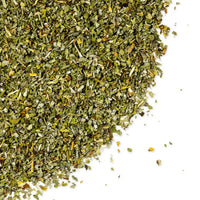
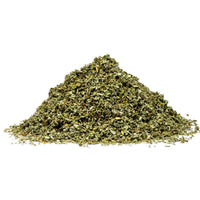
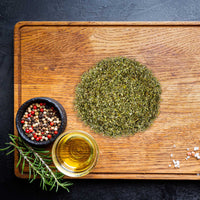
Dried Sage Leaves
Current price: Dhs. 45.00

Vanilla Beans
Excellent Product! Excellent Service!

I'm a convert
I've been making my own vanilla extract for over a decade and used to buy my beans based on reviews at a Infamous Global seller. Was never sure what I would get. Then I found this company! The beans were beautiful! Fragrant, moist but not too moist, easy to cut open to expose the seeds and each Bean was six to seven inches long. I'm a happy extract maker! 💝💃🥳

High Quality Vanilla - excellent customer service.
Slo Food group team takes great care of their customers. Received a broken bottle of Vanilla and it was immediately handled. Received my replacement bottle within 3 days.
This extract is used to make our Tahitian Vanilla Cakes!

Great place to get your spices
SLO Food group is the best place I have found to buy my vanilla beans, great customer service, fast shipping and very competitive prices. Thank you for helping me with my project, Vanilla extract. Thank you don young


This is a carousel with one large image and a track of thumbnails below. Select any of the image buttons to change the main image above.
Vanilla Beans
Excellent Product! Excellent Service!
I'm a convert
I've been making my own vanilla extract for over a decade and used to buy my beans based on reviews at a Infamous Global seller. Was never sure what I would get. Then I found this company! The beans were beautiful! Fragrant, moist but not too moist, easy to cut open to expose the seeds and each Bean was six to seven inches long. I'm a happy extract maker! 💝💃🥳
High Quality Vanilla - excellent customer service.
Slo Food group team takes great care of their customers. Received a broken bottle of Vanilla and it was immediately handled. Received my replacement bottle within 3 days.
This extract is used to make our Tahitian Vanilla Cakes!
Great place to get your spices
SLO Food group is the best place I have found to buy my vanilla beans, great customer service, fast shipping and very competitive prices. Thank you for helping me with my project, Vanilla extract. Thank you don young
Sage: More Misunderstood Than It Deserves

Not Just for Thanksgiving
Most people only reach for sage once a year, in stuffing, but its earthy, savory flavor belongs in everyday cooking, not just holiday dinners.

Bold Enough to Use Sparingly
Sage's flavor is strong and can quickly overpower a dish, a little goes a long way, so start light and adjust to taste to build up rather than the other way around.

A Meat Preservative, Once Upon a Time
Used by ancient Greeks and Romans to help preserve meat, a role that echoes directly in its enduring place in sausage and stuffing today.

Crispy, Savory, and Surprisingly Simple
Fry leaves in hot oil until crisp for a bold, restaurant-style finishing touch on eggs, pork, or roasted vegetables.
Technical Specifications
| Origin | Turkey, with Sourcing From Other Sage-Growing Regions as Needed |
|---|---|
| Botanical Name | Salvia officinalis |
| Botanical Family | Lamiaceae (Mint Family) |
| Ingredients | 100% Dried Sage Leaves, No Additives, Preservatives, or Artificial Colors |
| Certifications | Kosher (EarthKosher), GMP |
| Flavor Profile | Earthy, Slightly Peppery, with Hints of Mint, Eucalyptus, and Lemon |
| Uses | Poultry, Pork, Beans, Root Vegetables, Breads, Herbal Teas, Stuffing, Sausage, Fried Crispy Leaves |
| Pairing | Fennel Seeds, Rosemary, Thyme, Bay Leaves |
| Storage | Cool, Dry Place, Away From Direct Sunlight |
| Shelf Life | 24-36 Months |
| Packaging | Food-Grade Resealable Pouch; Box with Liner for Bulk Orders |
Buy Dried Sage Leaves Online, Pure Culinary Sage
Bring rich, earthy flavor and timeless tradition to your kitchen with our premium dried sage leaves. Carefully harvested at peak freshness and naturally dried to preserve their bold aroma and flavor, our sage leaves are a pantry essential for chefs and home cooks alike. Buy dried sage leaves online today, in bulk or small quantities, and keep this true pantry staple on hand.
Known for their earthy, slightly peppery taste with hints of mint, eucalyptus, and lemon, dried sage leaves are a cornerstone ingredient, like bay leaves, in many classic dishes. Whether you're crafting a holiday stuffing, seasoning roasted meats, enhancing stews, or experimenting with herbal teas, our high-quality sage delivers authentic flavor in every pinch.
Sage's in Latin Means "to Heal"
How to Use Dried Sage Leaves
Storing Your Sage
Sage's botanical name, Salvia officinalis, traces back to the Latin salvere, meaning "to save" or "to heal," a reflection of the reputation this herb carried for centuries, long before it became the kitchen staple it is today. Its culinary and historical use runs deep: the Greek physician Dioscorides documented sage's uses as far back as 70 AD, and the herb was formally listed in the U.S. Pharmacopoeia from 1840 to 1900. Ancient Greeks and Romans even used sage as a meat preservative, a practical role that connects directly to its enduring place in meat-forward dishes today, from sausage to holiday stuffing.
Sage is a natural fit for seasoning poultry, pork, beans, root vegetables, breads, and herbal infusions. It pairs especially well with fennel seeds in homemade sausage blends, and with rosemary and thyme for a classic holiday herb trio. For a genuinely simple, high-impact technique, try frying whole sage leaves briefly in hot oil until crisp, then sprinkling them over a pork chop, roasted squash, or even a fried egg for a bold, savory finish. Shop dried sage in bulk for your restaurant or commercial kitchen, or pick up a small bag for your home pantry.
Store dried sage leaves in a cool, dry place away from direct sunlight to preserve their vibrant aroma and natural oils for as long as possible. Packaged in food-grade, resealable packaging, it's easy to keep fresh between uses. Order dried sage online from Slofoodgroup and stock your spice rack with confidence.
Sage and the Thanksgiving Table
No herb is more synonymous with Thanksgiving and holiday cooking than sage. It's the backbone of traditional stuffing and dressing, where its earthy, savory character stands up to bread, butter, and stock without disappearing into the dish. Sage also finds its way into gravy, roasted turkey rubs, and brown butter sauces drizzled over ravioli or squash, a European tradition that's become a modern American holiday favorite in its own right. Looking for more inspiration this holiday season? Check out our easy Thanksgiving menu with simple, low-prep recipes. If you're planning a holiday menu, sage is one herb worth stocking up on well before the cooking begins, its flavor only gets better the more you lean into it.


Frequently Asked Questions
- Dried sage has an earthy, slightly peppery flavor with hints of mint, eucalyptus, and lemon. Its bold, savory character makes it a natural fit for rich, meat-forward dishes.
- Sage's botanical name, Salvia officinalis, comes from the Latin salvere, meaning "to save" or "to heal," a reflection of the reputation this herb carried for centuries.
- Try frying whole sage leaves briefly in hot oil until crisp, then sprinkling them over dishes like pork chops, roasted squash, or a fried egg for a bold, restaurant-style finish.
- Dried sage is commonly used for seasoning poultry, pork, beans, root vegetables, breads, and herbal teas. It pairs especially well with fennel seeds in sausage, and with rosemary and thyme for a classic holiday herb blend.
- Store in a cool, dry place away from direct sunlight in an airtight, resealable container. Properly stored, dried sage has a shelf life of 18-24 months.
- You can buy dried sage leaves online in bulk or small quantities at Slofoodgroup.