


Ceylon Green Tea
Upcountry grown, the finest green tea from the Nuwara Eliya region
Current price: Dhs. 40.00

Vanilla Beans
Excellent Product! Excellent Service!

I'm a convert
I've been making my own vanilla extract for over a decade and used to buy my beans based on reviews at a Infamous Global seller. Was never sure what I would get. Then I found this company! The beans were beautiful! Fragrant, moist but not too moist, easy to cut open to expose the seeds and each Bean was six to seven inches long. I'm a happy extract maker! 💝💃🥳
High Quality Vanilla - excellent customer service.
Slo Food group team takes great care of their customers. Received a broken bottle of Vanilla and it was immediately handled. Received my replacement bottle within 3 days.
This extract is used to make our Tahitian Vanilla Cakes!

Great place to get your spices
SLO Food group is the best place I have found to buy my vanilla beans, great customer service, fast shipping and very competitive prices. Thank you for helping me with my project, Vanilla extract. Thank you don young




This is a carousel with one large image and a track of thumbnails below. Select any of the image buttons to change the main image above.
Vanilla Beans
Excellent Product! Excellent Service!
I'm a convert
I've been making my own vanilla extract for over a decade and used to buy my beans based on reviews at a Infamous Global seller. Was never sure what I would get. Then I found this company! The beans were beautiful! Fragrant, moist but not too moist, easy to cut open to expose the seeds and each Bean was six to seven inches long. I'm a happy extract maker! 💝💃🥳
High Quality Vanilla - excellent customer service.
Slo Food group team takes great care of their customers. Received a broken bottle of Vanilla and it was immediately handled. Received my replacement bottle within 3 days.
This extract is used to make our Tahitian Vanilla Cakes!
Great place to get your spices
SLO Food group is the best place I have found to buy my vanilla beans, great customer service, fast shipping and very competitive prices. Thank you for helping me with my project, Vanilla extract. Thank you don young
Green Tea Grown at 6,200 feet, The Champagne of Ceylon

Born from a Coffee Crisis
ri Lanka's tea industry began when a coffee blight forced 19th-century planters to switch crops entirely, an accident of history that became a world-renowned industry.

Grown at One of the World's Highest Elevations
Nuwara Eliya's roughly 6,200-foot elevation and cool mountain climate produce a slower-growing, more refined leaf than lower-grown teas.

The World's Only Ozone-Friendly Tea Industry
Certified since 2011 by the Sri Lanka Tea Board and recognized by the UN, all Ceylon tea is produced without any ozone-depleting substances.

Minimally Processed, Naturally Green
Steamed and dried immediately after picking to lock in color, flavor, and aroma, one of the least processed teas in the world.
Technical Specifications
| Origin | Nuwara Eliya, Sri Lanka |
|---|---|
| Botanical Name | Camellia sinensis |
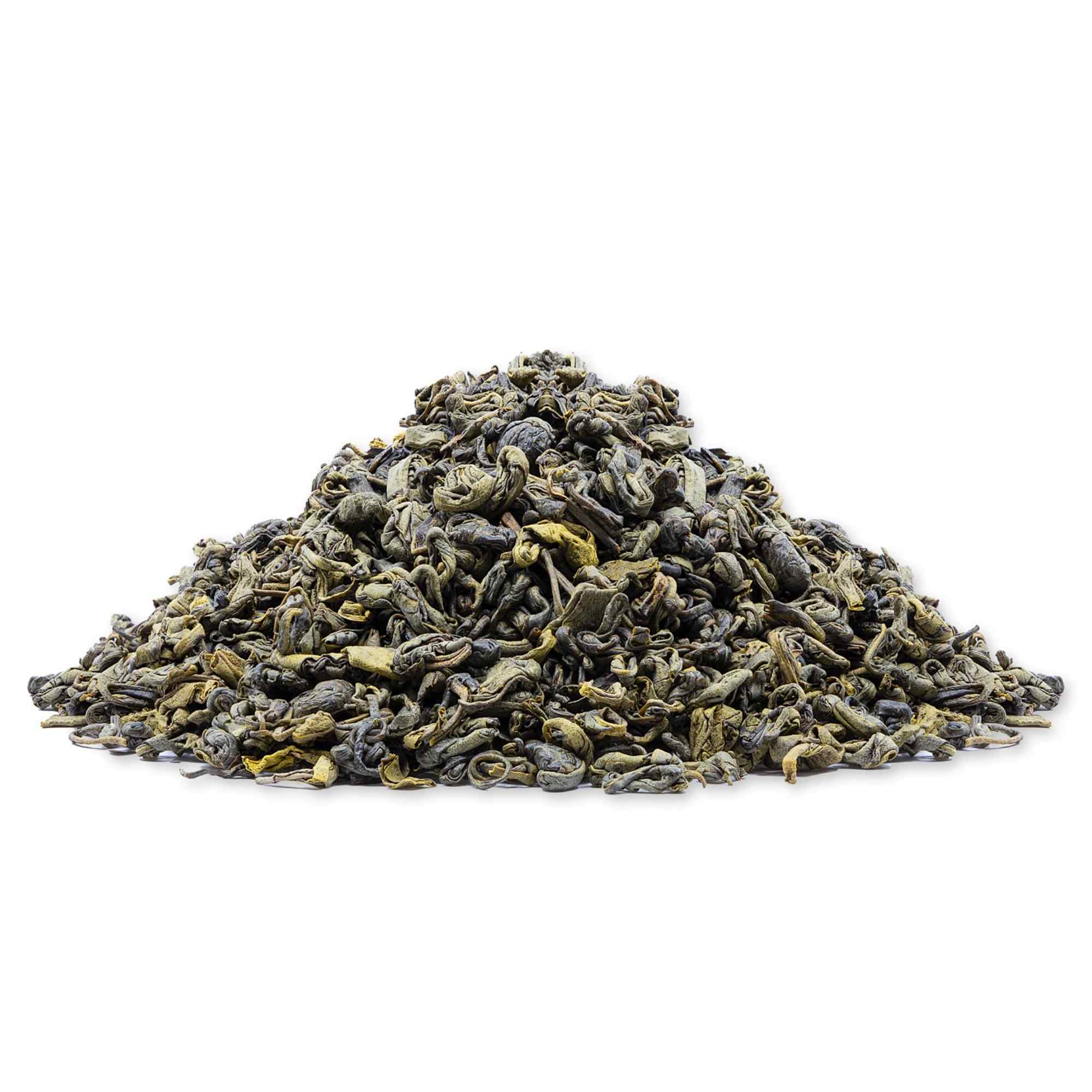
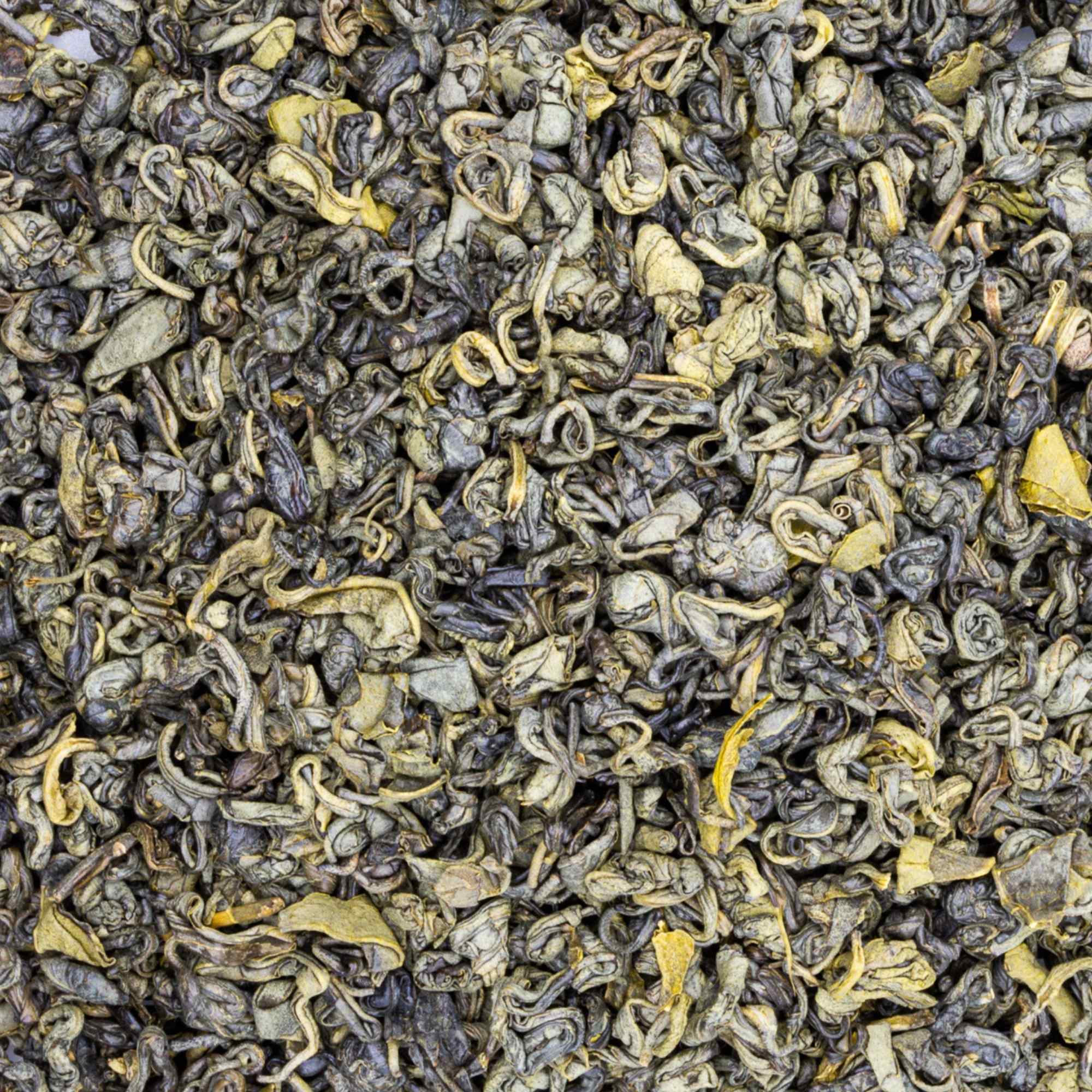
| Grade | GP, Gunpowder Style (Hand-Rolled Tea Pellets) |
| Processing | Unoxidized; Steamed and Hand-Rolled into Tight Pellets, Pan-Fired |
| Certifications | Kosher (EarthKosher), GMP, Ozone Friendly Pure Ceylon Tea (Sri Lanka Tea Board, UNEP-Recognized) |
| Elevation | Approximately 6,200 Feet (High-Grown) |
| Color/Appearance | Tightly Rolled, Dark Green to Grey-Green Pellets with a Slight Sheen |
| Aroma | Delicate, Floral, Slightly Grassy, with a Subtle Hint of Smokiness from Pan-Firing |
| Flavor Profile | Full-Bodied, Sweet, Leafy, with Mild Natural Smokiness; More Robust Than Flat-Leaf Green Tea |
| Historical Note | Nuwara Eliya's Tea Industry Emerged After a Coffee Blight Devastated Sri Lanka's Coffee Plantations in the Mid-19th Century; Gunpowder Rolling Is a Traditional Technique Applied Here to Ceylon-Grown Leaf |
| Traditional Use | The Base Tea Traditionally Used in Moroccan Mint Tea |
| Brewing Temperature | 170-180°F |
| Steeping Time | Approximately 3 Minutes; Can Be Re-Steeped 1-2 Times |
| Ratio | 1-2 Teaspoons Loose Pellets per 8-10 oz Water |
| Uses | Hot Tea, Cold Brew, Cocktails, Mocktails, Moroccan Mint Tea |
| Pairing | Fresh Mint, Citrus, Honey |
| Storage | Airtight Container, Cool, Dry Place, Away From Light |
| Shelf Life | 24-36 Months (Longer Than Flat-Leaf Green Tea Due to Tight Pellet Form) |
| Packaging | Food-Grade Pouch or Bag; Box with Liner for Bulk Orders |
Buy Ceylon Green Tea Online, Nuwara Eliya's "Champagne of Ceylon"
From Coffee Blight to Tea Empire
How Green Tea Leaves Are Produced
How to Brew Ceylon Green Tea
Green tea leaves are produced from the unoxidized tea leaf, unlike black tea, which is fully oxidized. Green tea is one of the least processed teas in the world. Once picked, our leaves are quickly steamed to prevent oxidation, then hand-rolled into small, tight pellets in the traditional gunpowder style, a rolling method that concentrates flavor, adds a subtle hint of natural smokiness from pan-firing, and gives the pellets a distinctive shine when done well. The tight roll also has a practical benefit: less leaf surface is exposed to air, so gunpowder-style tea holds its freshness longer than flat, unrolled green tea.
Sri Lanka's tea industry also holds a genuinely unique environmental distinction: as of 2011, all Ceylon tea is certified "Ozone Friendly Pure Ceylon Tea" by the Sri Lanka Tea Board, meaning it's produced without any ozone-depleting substances like methyl bromide, a certification recognized by the UN Environment Programme. Sri Lanka remains the only country in the world with this distinction across its entire tea industry.
Brewing gunpowder-style green tea is a slightly different process than steeping black tea, and it comes with a bonus: watching the tightly rolled pellets slowly unfurl in the hot water is genuinely one of the more satisfying moments in tea brewing.
- For optimal flavor, heat spring or filtered water to 170-180°F. You can do this without a thermometer, simply heat your water just until bubbles begin to form and lightly roll, then remove from heat.
- Pour about 8-10 ounces of hot water into your teacup or teapot with your desired amount of tea leaf, generally about 1-2 teaspoons of loose pellets per cup of liquid.
- Place the tea pellets in a sachet or directly in the hot water. Add the tea after pouring the water, not before, pouring water directly over the leaves can scorch them.
- Let it steep for about 3 minutes, or slightly longer if you prefer a bolder cup, gunpowder-style tea holds up well to a longer steep without turning bitter as quickly as flat-leaf green tea.
- Let cool slightly, remove the sachet or strain, and enjoy. The rolled pellets can typically be re-steeped once or twice more, each brew revealing a slightly different character.
This gunpowder-style rolling is also exactly what makes Ceylon green tea the traditional base for Moroccan Mint Tea, if you've ever had it, you've already tasted this exact style of tea. It also makes an excellent base for cold brews, cocktails, and mocktails. Place your order today at Slofoodgroup and explore our full range of green, black, and white Ceylon tea leaves.
Caffeine Content in Our Green Tea
Ceylon green tea contains a moderate amount of caffeine, typically around 35-50mg per cup, noticeably gentler than a cup of coffee (which usually runs 95mg or more) but still enough for a genuine, sustained lift. Because green tea is minimally processed and unoxidized, that caffeine tends to come with a smoother, more even feeling than the sharper jolt of coffee, part of why so many people reach for it as a mid-morning or early-afternoon alternative. If you're sensitive to caffeine, brewing for a shorter time or using slightly less leaf will noticeably reduce the caffeine content without dramatically changing the flavor.


Frequently Asked Questions
- Nuwara Eliya, nicknamed "the Champagne of Ceylon Tea," sits at roughly 6,200 feet elevation, one of the highest tea-growing regions in the world. The cool climate and slow leaf growth produce a more delicate, refined cup than lower-grown Ceylon teas.
- Yes. Since 2011, all Ceylon tea has been certified "Ozone Friendly Pure Ceylon Tea" by the Sri Lanka Tea Board, meaning it's produced without ozone-depleting substances like methyl bromide, a distinction recognized by the UN Environment Programme that no other tea-producing country holds.
- Green tea comes from the unoxidized tea leaf, while black tea is fully oxidized. Green tea is steamed, shaped, and dried immediately after picking, preserving its green color and light, leafy flavor, making it one of the least processed teas in the world.
- Heat water to 170-180°F (just until bubbles begin to form, don't boil), use about 1-2 teaspoons of loose leaf per 8-10 ounces of water, and steep for about 3 minutes. Add the tea after pouring the water rather than pouring water over the leaves directly.
- You can buy Ceylon green tea online in bulk or small quantities at Slofoodgroup.