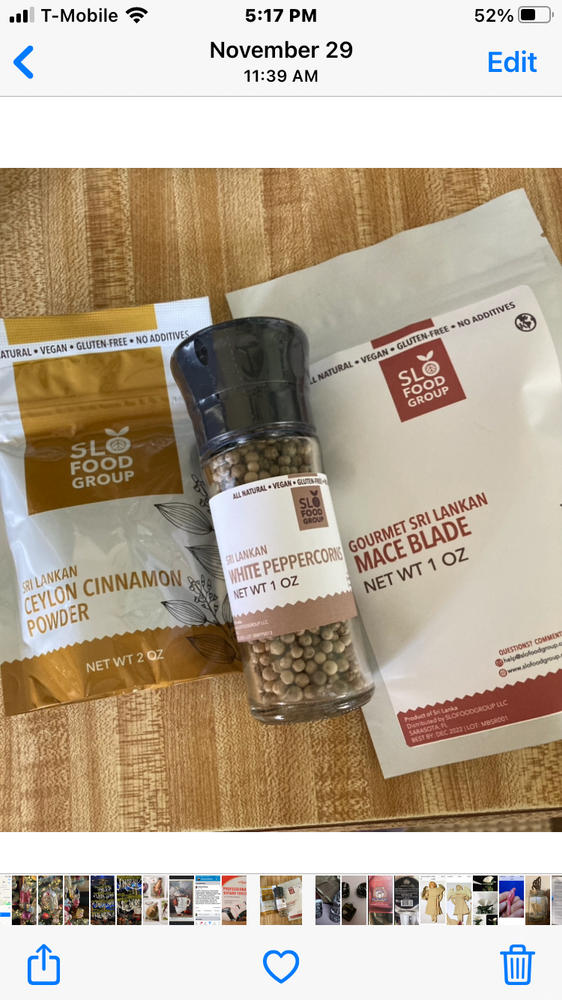
Mace Blade, Whole Mace Spice
Mace Spice is great for fruits, pickling, pastries, pies and more
Current price: $9.69

Vanilla Beans
Excellent Product! Excellent Service!

I'm a convert
I've been making my own vanilla extract for over a decade and used to buy my beans based on reviews at a Infamous Global seller. Was never sure what I would get. Then I found this company! The beans were beautiful! Fragrant, moist but not too moist, easy to cut open to expose the seeds and each Bean was six to seven inches long. I'm a happy extract maker! 💝💃🥳
High Quality Vanilla - excellent customer service.
Slo Food group team takes great care of their customers. Received a broken bottle of Vanilla and it was immediately handled. Received my replacement bottle within 3 days.
This extract is used to make our Tahitian Vanilla Cakes!

Great place to get your spices
SLO Food group is the best place I have found to buy my vanilla beans, great customer service, fast shipping and very competitive prices. Thank you for helping me with my project, Vanilla extract. Thank you don young



This is a carousel with one large image and a track of thumbnails below. Select any of the image buttons to change the main image above.
Vanilla Beans
Excellent Product! Excellent Service!
I'm a convert
I've been making my own vanilla extract for over a decade and used to buy my beans based on reviews at a Infamous Global seller. Was never sure what I would get. Then I found this company! The beans were beautiful! Fragrant, moist but not too moist, easy to cut open to expose the seeds and each Bean was six to seven inches long. I'm a happy extract maker! 💝💃🥳
High Quality Vanilla - excellent customer service.
Slo Food group team takes great care of their customers. Received a broken bottle of Vanilla and it was immediately handled. Received my replacement bottle within 3 days.
This extract is used to make our Tahitian Vanilla Cakes!
Great place to get your spices
SLO Food group is the best place I have found to buy my vanilla beans, great customer service, fast shipping and very competitive prices. Thank you for helping me with my project, Vanilla extract. Thank you don young
Useful Information and Facts About Mace

Full Flavor Profile
Bright, peppery, and floral, mace offers a flavor distinct enough from nutmeg to earn its own place in your spice rack.

A Spice That Sparked Empires
Mace's origin in Indonesia's Spice Islands made it one of the most fought-over commodities in colonial history.

Whole for Maximum Flavor
Whole blades naturally hold more flavor than pre-ground mace, grind fresh for the most aromatic results.

Surprisingly Versatile
From doughnuts and custards to béchamel sauce and biryani, mace crosses effortlessly between sweet and savory cooking.
Technical Specifications
| Origin | Sri Lanka |
|---|---|
| Botanical Name | Myristica fragrans |
| Common Names | Mace Blade, Mace Spice, Whole Mace |
| Certifications | Kosher (EarthKosher), GMP |
| Additional Attributes | Non-GMO, Gluten Free, Processed Using Natural, Sustainable Growing Methods |
| Flavor Profile | Cross Between Cinnamon and Pepper, Aromatic, Citrus, Floral, Bitter Finish |
| Uses | Doughnuts, Custards, Puddings, Cakes, Cookies, Chocolates, Béchamel Sauce, Biryani, Pickling |
| Pairing | Cherries and Stone Fruit, Cinnamon, Cloves, Nutmeg |
| Substitution | 1 Blade ≈ 1/2 tsp Ground Mace; Nutmeg Can Substitute at 3/4 the Amount |
| Storage | Airtight Container, Cool, Dry Place |
| Shelf Life | 24-36 Months |
| Packaging | Food-Grade Pouch or Bag; Box with Liner for Bulk Orders |
What Is a Blade of Mace?
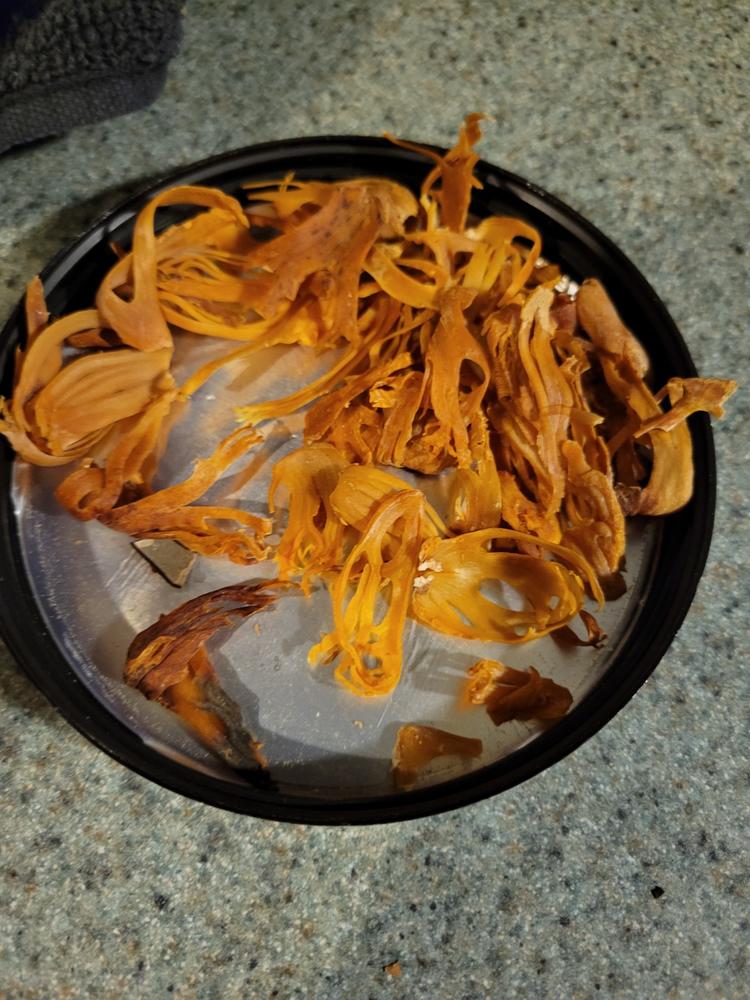
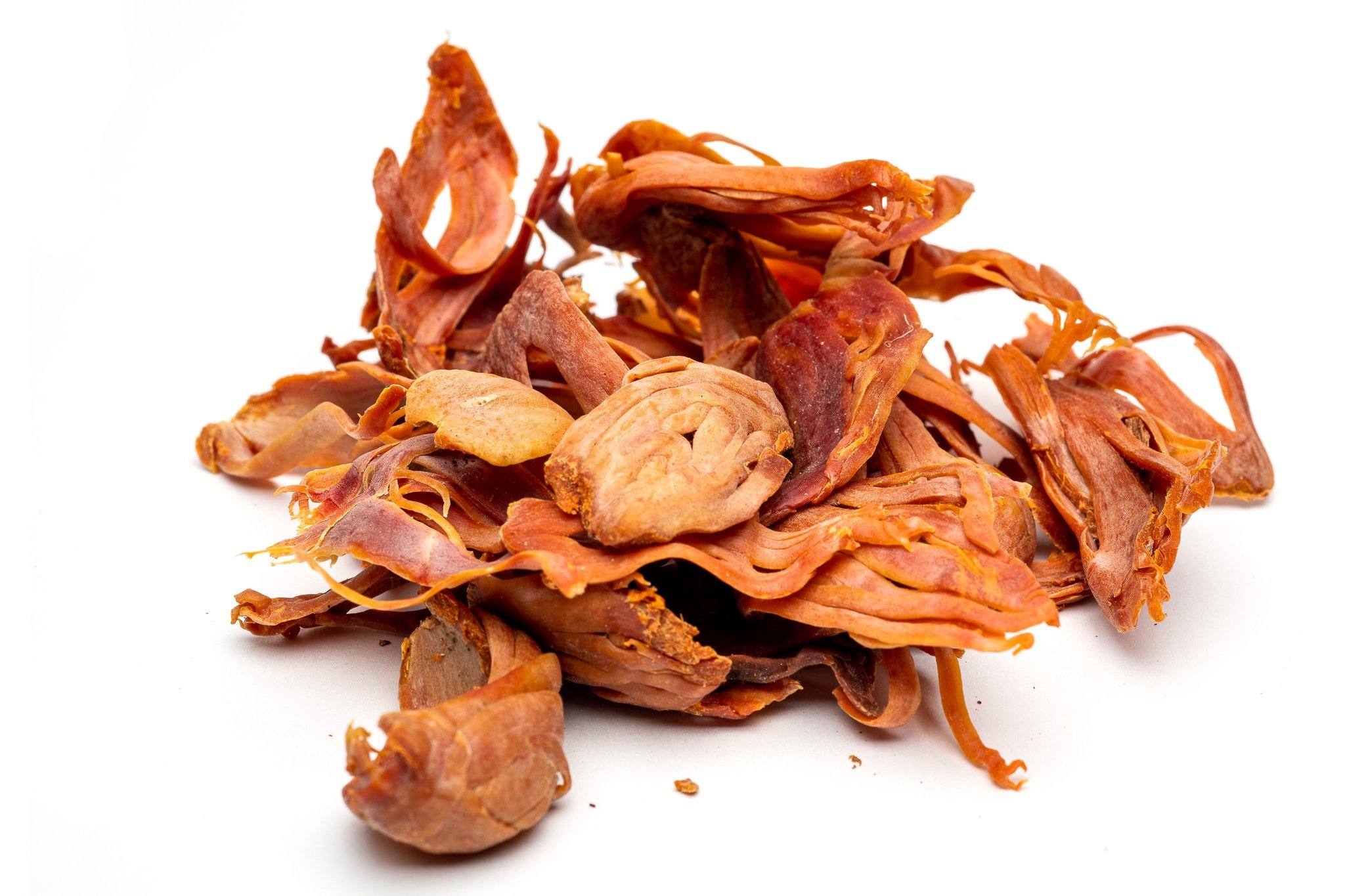
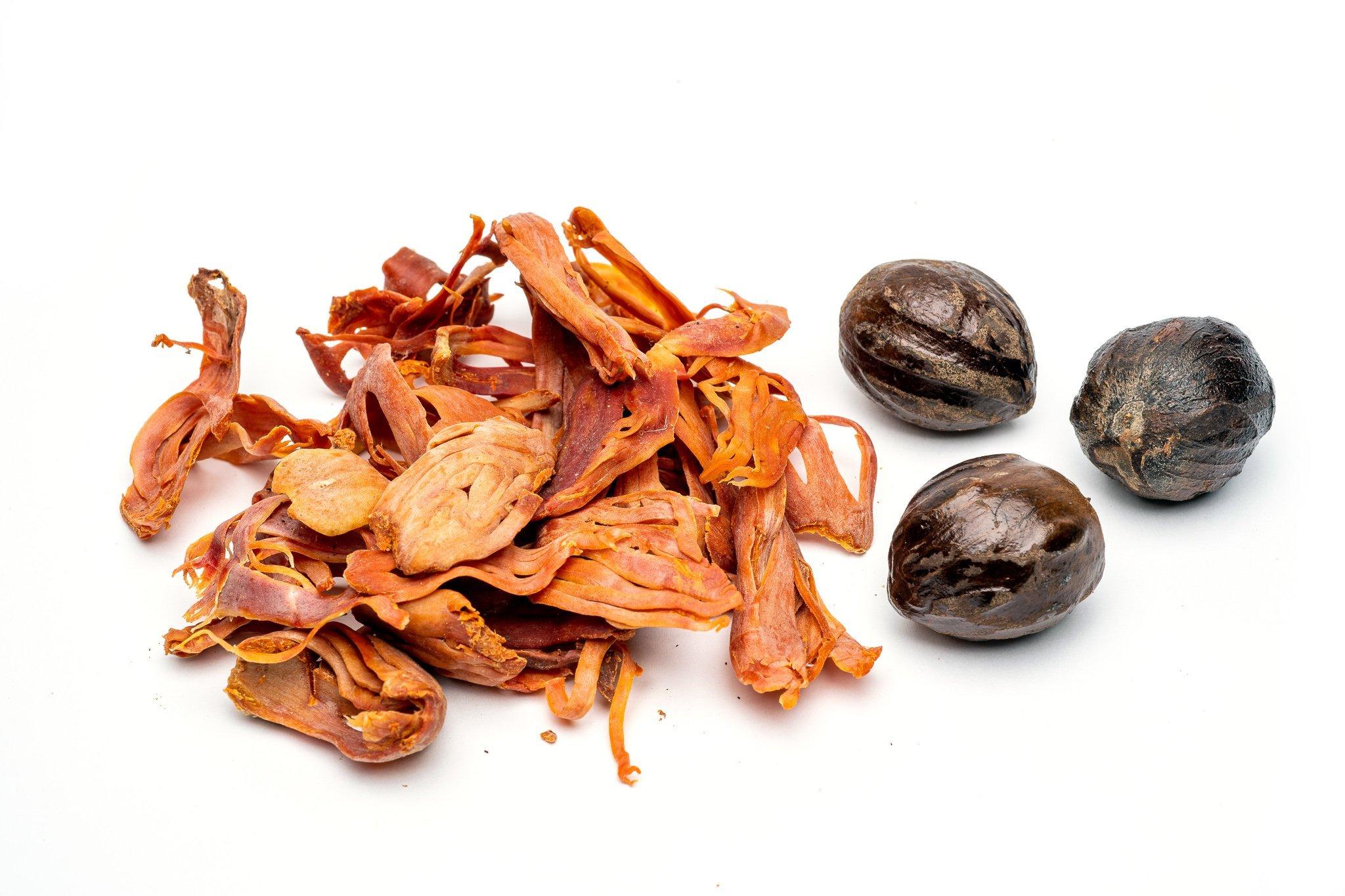
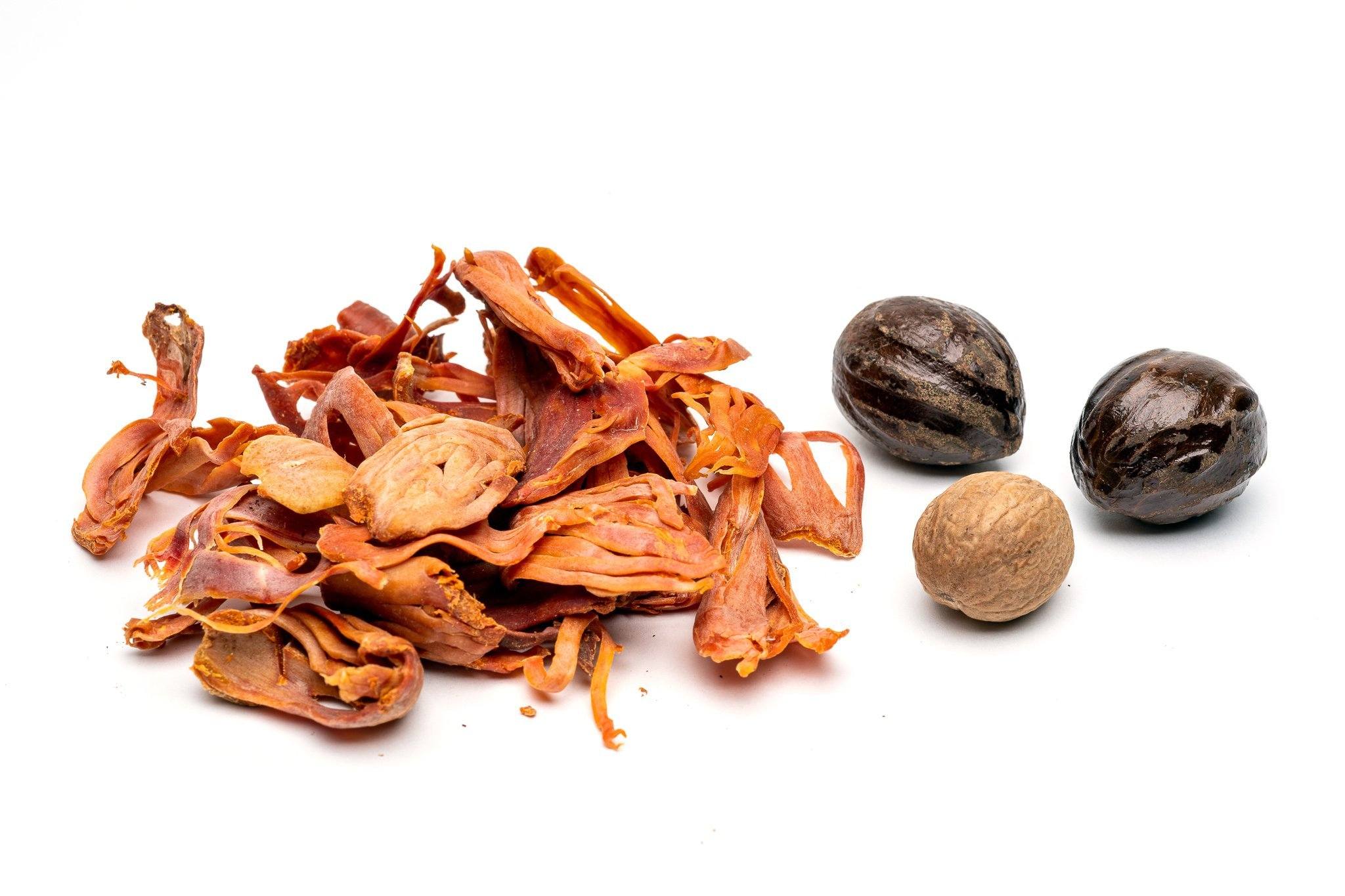
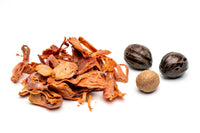
Sri Lankan mace blade is the lacy outer covering of the nutmeg seed, also referred to as mace spice or whole mace. A flavorfully pungent false fruit, the blade of mace spice is commonly found in ground form. To obtain whole mace, the lacy aril is removed from the outer seed of nutmeg by hand and slowly dried at controlled temperatures naturally by the sun. Each dried aril is referred to as a blade. Whole mace can be used in many cooking applications, from baked goods such as everyone's favorite doughnuts, custards, puddings, cakes, cookies, and even chocolates. Sri Lankan mace blade also pairs exceptionally well with cherries, so take note, you stone fruit lovers. Looking for inspiration? Try our collection of recipes that use mace.
Why Buy Whole Mace Versus Ground Mace?
What Does Mace Taste and Smell Like?
A Spice Worth Fighting Over
Flavor, flavor, flavor, it all comes down to flavor. Whole spices naturally carry larger flavor loads than their pre-ground counterparts. If you have a spice grinder, we highly suggest you utilize it and switch to whole mace blade today to ensure the freshest and most flavorful experience of mace.
Mace is often described as a cross between cinnamon and black pepper, aromatic, spicy, and genuinely pungent. Its aroma carries real complexity, layering citrus and floral notes over that warm, peppery base, with a finish that often reads as slightly bitter. It's a more intense, sharper cousin to nutmeg, distinctive enough to stand entirely on its own in a dish rather than just echoing a more familiar spice.
Mace originates from the Banda Islands of Indonesia, a region historically known as the Spice Islands, the same origin as nutmeg, since both come from the same fruit. Mace played a genuinely significant role in the colonial spice trade, so lucrative that control over its source sparked real historical conflicts between European powers. Today, mace is used far more peacefully, as an accent in béchamel sauce, creamed spinach, spanakopita, biryani, and countless baked goods.
Mace vs. Nutmeg: What's the Difference?
Mace and nutmeg come from the exact same fruit; they're just different parts of it. Nutmeg is the seed itself; mace is the lacy red aril that wraps around it. Despite sharing many of the same aromatic compounds, they taste noticeably different: mace is brighter, sharper, and more peppery, while nutmeg is rounder, warmer, and heavier. If a recipe calls for one and you only have the other, nutmeg can substitute for mace at about 3/4 the amount called for; since nutmeg is more pungent, adjust to taste from there. Curious to try nutmeg for yourself? Check out our whole Sri Lankan nutmeg, or read more about how nutmeg and mace differ on our blog.
*Our mace blade is non-GMO, certified kosher, and gluten-free, processed using natural, sustainable growing methods.


Frequently Asked Questions
- Nutmeg, allspice, cinnamon, pumpkin pie spice, or ginger are all great substitutes for mace blades. Since mace and nutmeg come from the same fruit, nutmeg is the closest match, use about 3/4 the amount called for, since nutmeg is more pungent.
- A blade of mace is roughly equivalent to a half a teaspoon of ground mace.
- A blade of mace at Slofoodgroup currently starts at $9.69 for 1 oz.
- They come from the same fruit but are different parts of it. Nutmeg is the seed; mace is the lacy red aril that surrounds it. Mace tastes brighter, sharper, and more peppery, while nutmeg is rounder and warmer.
- Mace originates from the Banda Islands of Indonesia, historically known as the Spice Islands, the same origin as nutmeg. It played a significant role in the colonial spice trade for centuries.