


Ube Powder, Pure Dioscorea alata
Made from 100% Real Purple Yam, No Coloring Added
Current price: $ 440.00

Vanilla Beans
Excellent Product! Excellent Service!

I'm a convert
I've been making my own vanilla extract for over a decade and used to buy my beans based on reviews at a Infamous Global seller. Was never sure what I would get. Then I found this company! The beans were beautiful! Fragrant, moist but not too moist, easy to cut open to expose the seeds and each Bean was six to seven inches long. I'm a happy extract maker! 💝💃🥳
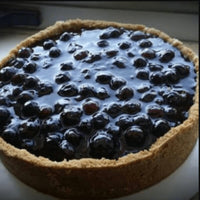
High Quality Vanilla - excellent customer service.
Slo Food group team takes great care of their customers. Received a broken bottle of Vanilla and it was immediately handled. Received my replacement bottle within 3 days.
This extract is used to make our Tahitian Vanilla Cakes!

Great place to get your spices
SLO Food group is the best place I have found to buy my vanilla beans, great customer service, fast shipping and very competitive prices. Thank you for helping me with my project, Vanilla extract. Thank you don young


This is a carousel with one large image and a track of thumbnails below. Select any of the image buttons to change the main image above.
Vanilla Beans
Excellent Product! Excellent Service!
I'm a convert
I've been making my own vanilla extract for over a decade and used to buy my beans based on reviews at a Infamous Global seller. Was never sure what I would get. Then I found this company! The beans were beautiful! Fragrant, moist but not too moist, easy to cut open to expose the seeds and each Bean was six to seven inches long. I'm a happy extract maker! 💝💃🥳
High Quality Vanilla - excellent customer service.
Slo Food group team takes great care of their customers. Received a broken bottle of Vanilla and it was immediately handled. Received my replacement bottle within 3 days.
This extract is used to make our Tahitian Vanilla Cakes!
Great place to get your spices
SLO Food group is the best place I have found to buy my vanilla beans, great customer service, fast shipping and very competitive prices. Thank you for helping me with my project, Vanilla extract. Thank you don young
It's Oo-beh (Ube), and It's the Real Thing

Genuinely Authentic Pilipino Origin Ube
100% Dioscorea alata, the true purple yam, not dyed sweet potato masquerading as ube.

No Added Coloring, Ever
That natural purple color, and the deeper hue it develops once prepared, comes entirely from anthocyanins, not artificial dye.

Real Concentration
It takes more than 4kg (8.8 lbs) of fresh ube to produce just 1kg (2.2 lbs) of this powder.

Fine-Milled for Any Recipe
Milled to under half a millimeter for smooth, lump-free lattes, batters, and doughs.
Technical Specifications
| Origin | Philippines |
|---|---|
| Botanical Name | Dioscorea alata |
| Common Names | Ube, Ube Powder, Purple Yam Powder |
| Ingredients | 100% Purple Yam, No Added Coloring or Fillers |
| Particle Size | ≤0.42mm (Fine Powder) |
| Color/Appearance | Light Purple with White Flecks |
| Raw Flavor | Neutral, Flour-Like (Develops Ube Flavor Once Prepared) |
| Aroma | Distinct Ube Aroma |
| Aroma Once Prepared | Fragrant, Sweet, More Pronounced Than in Raw Powder Form |
| Color Source | Natural Anthocyanins (Same Pigment Class Found in Blueberries) |
| Processing | Washed, Boiled/Steamed, Peeled, Sliced, Dried, Milled |
| Yield Ratio | More Than 4kg Fresh Ube Yam per 1kg of Powder |
| Uses | Ube Lattes, Ube Halaya, Ice Cream, Cakes, Chantilly Cream, Pandesal, Waffles, Pancakes, Custards |
| Color Once Prepared | Deepens to a Richer, More Vivid Purple When Hydrated, Cooked, or Baked |
| Certifications | GMP |
| Storage | Cool, Dry Place, Away From Direct Sunlight |
| Shelf Life | 24-34 Months |
| Packaging | Food-Grade Pouch or Bag; Box with Liner for Bulk Orders |
Buy Ube Powder Online, Made From Real Purple Yam
Real Ube vs. Fake Ube Powder
A Heritage Variety, Grown for Generations
From Fresh Yam to Fine Powder
Our ube powder is 100% Dioscorea alata, the true purple yam, with no added coloring of any kind. The deep purple you see comes entirely from natural anthocyanins, the same pigment compounds found in blueberries and blackberries, not artificial dye. That distinction matters more than you might think: a surprising amount of what's sold online as "ube powder" is actually purple sweet potato (kamote), a completely different root vegetable, dyed to mimic ube's natural color. If an ingredient list mentions "Red 40" or "Blue 1," it isn't genuine ube, no matter what the front label says. When you buy ube powder from us, you're getting the real thing.
As a raw powder, ube appears light purple with subtle white flecks; once hydrated, cooked, or baked into a recipe, that color deepens into the rich, vivid purple most people picture when they think of ube. This gradual color release is actually a good sign, much like genuine saffron, which slowly releases its golden hue over several minutes of steeping rather than instantly. In both spices, a slow, gradual color development is a hallmark of the real thing; artificially colored imitations tend to look intensely colored right away, with nothing left to develop. The color you see from ube, at every stage, comes entirely from natural anthocyanins, never dye.
How to Use Ube Powder
Ube powder's biggest moment right now is the ube latte, simply whisk a spoonful into warm milk with a touch of sweetener for the viral purple drink you've seen everywhere. Try stirring in a spoonful of vanilla sugar instead of plain sugar, or a splash of vanilla extract, for a rounder, more complex sweetness. Beyond lattes, it's the base for traditional ube halaya (purple yam jam), and a natural addition to ice cream, cakes, cupcakes, pandesal, waffles, and pancake batter. A spoonful stirred into custards or puddings adds both color and flavor once cooked, especially alongside a few flakes of finishing salt to balance the sweetness. As a general starting point, begin with 1-2 tablespoons per recipe and adjust to taste, since ube's flavor builds gradually rather than hitting all at once.
Why Ube Powder Isn't Sweet Straight From the Bag?
Here's an honest expectation to set before you start: on its own, dry ube powder has very little flavor, it's closer to a neutral, flour-like taste than the rich, dessert-like sweetness people associate with ube. That familiar ube flavor develops once the powder is prepared, cooked, steeped in warm milk, or baked into a batter, where its natural starches and sugars come alive. If you taste a pinch straight from the bag expecting instant dessert flavor, you won't find it there yet; that's exactly how real, unadulterated ube powder should behave. Products that taste sweet or strongly flavored right out of the bag usually have something added. Buy ube powder in bulk or small quantities and start experimenting today.
You may also like


Frequently Asked Questions
- This is genuine ube, botanically Dioscorea alata, verified 100% purple yam with no added coloring. A surprising amount of what's sold online as "ube powder" is actually purple sweet potato (kamote) dyed to mimic ube's natural color. If an ingredient list mentions "Red 40" or "Blue 1," it isn't genuine ube.
- The natural purple color comes entirely from anthocyanins, the same pigment compounds found in blueberries and blackberries. No artificial dye is added.
- On its own, dry ube powder has very little flavor, closer to a neutral, flour-like taste than the rich sweetness people associate with ube. That familiar flavor develops once the powder is prepared, cooked, steeped in warm milk, or baked into a batter. Products that taste sweet right out of the bag usually have something added.
- Whisk a spoonful of ube powder into warm milk with a touch of sweetener, try vanilla sugar or vanilla extract for a rounder flavor. Start with 1-2 tablespoons and adjust to taste, since ube's flavor builds gradually.
- Ube powder is the base for traditional ube halaya (purple yam jam), and works well in ice cream, cakes, cupcakes, pandesal, waffles, pancakes, custards, and puddings.
- Store in a cool, dry place away from direct sunlight. Properly stored, ube powder has a shelf life of 2 years.