


 Most Loved
 Rare
Gourmet Madagascar Vanilla Beans, Planifolia
from $10.00
Crisp pyramid-shaped finishing flakes from Pakistan's Arabian Sea coast
Current price: $7.00

Excellent Product! Excellent Service!

I've been making my own vanilla extract for over a decade and used to buy my beans based on reviews at a Infamous Global seller. Was never sure what I would get. Then I found this company! The beans were beautiful! Fragrant, moist but not too moist, easy to cut open to expose the seeds and each Bean was six to seven inches long. I'm a happy extract maker! 💝💃🥳
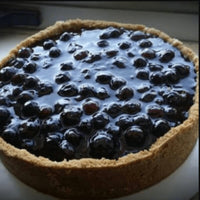
Slo Food group team takes great care of their customers. Received a broken bottle of Vanilla and it was immediately handled. Received my replacement bottle within 3 days.
This extract is used to make our Tahitian Vanilla Cakes!

SLO Food group is the best place I have found to buy my vanilla beans, great customer service, fast shipping and very competitive prices. Thank you for helping me with my project, Vanilla extract. Thank you don young
Most Loved
Most Loved
This is a carousel with one large image and a track of thumbnails below. Select any of the image buttons to change the main image above.


Excellent Product! Excellent Service!
I've been making my own vanilla extract for over a decade and used to buy my beans based on reviews at a Infamous Global seller. Was never sure what I would get. Then I found this company! The beans were beautiful! Fragrant, moist but not too moist, easy to cut open to expose the seeds and each Bean was six to seven inches long. I'm a happy extract maker! 💝💃🥳
Slo Food group team takes great care of their customers. Received a broken bottle of Vanilla and it was immediately handled. Received my replacement bottle within 3 days.
This extract is used to make our Tahitian Vanilla Cakes!
SLO Food group is the best place I have found to buy my vanilla beans, great customer service, fast shipping and very competitive prices. Thank you for helping me with my project, Vanilla extract. Thank you don young

Pyramid-shaped sea salt flakes from Balochistan, on Pakistan's Arabian Sea coast.

Light flakes that crunch briefly and dissolve quickly, so one pinch finishes a whole plate.

Filtered seawater is evaporated in large salt pans, and the flakes dry in the sun

bulk sizes for restaurants and food makers.
| Product Type | Finishing Salt, Sea Salt Flakes |
|---|---|
| Production Method | Purified and Filtered Seawater, Evaporated in Large Salt Pans, Sun-Dried, Sorted by Size |
| Ingredients | 100% Sea Salt |
| Flake Shape | Pyramid |
| Flake Size | 2-12 mm |
| Color | White, Translucent |
| Aroma | Odorless |
| Flavor | Clean, Briny, Fresh |
| Texture | Thin, Crisp Flakes With a Light Crunch |
| Allergens | None |
| Certifications | Kosher Certified, GMP |
| Best For | Finishing Meats, Seafood, Vegetables, Eggs, Bread, Chocolate, and Caramel |
| Not Recommended For | Grinders and Shakers |
| Storage | Airtight Glass or Ceramic Container, Cool and Dry |
| Shelf Life | Does Not Spoil, Can Last a Lifetime When Kept Dry |
| Packaging | Bulk and Retail |
| Available Sizes | 4 oz, 8 oz, 1 lb, 2 lb, 5 lb, 25 lb, 50 lb |
| Country of Origin | Pakistan |
| Harvest Region | Balochistan, Arabian Sea Coast |
A pinch of these pyramid-shaped sea salt flakes is the last touch a dish needs. The crisp flakes give a light crunch, dissolve quickly on the tongue, and leave a clean, briny finish. They come from Balochistan, on Pakistan's Arabian Sea coast, an origin you won't find on many shelves.
Scatter them over seared steak, roasted vegetables, fish, eggs, or sliced tomatoes, or top a chocolate cookie, brownie, or caramel for a sweet and salty bite. The flakes range from 2 mm to 12 mm, so a small pinch covers a lot of plate and the larger pyramids look beautiful sitting on top of the food. Pair them with freshly cracked pepper from our whole peppercorns. They are sold from 2 oz to 50 lb, from a jar by the stove to a restaurant pantry.
Flake sea salt tastes briny, fresh, and clean, and these flakes add a crunch you can hear. Sizes run from 2 mm to 12 mm, so you will see small and large pyramids together, and the thin, brittle flakes snap between your teeth and then melt away. You taste the salt in small bursts instead of one flat wave. Because the flakes are airy, they taste less intensely salty than the same spoonful of fine salt, so start with a small pinch, taste, and add more if the dish calls for it.
Finishing salt describes how a salt is used, and large, delicate flakes are the classic choice. You sprinkle them on at the end, when their shape and crunch can still be seen and tasted. Table salt is a different tool. Most table salt is mined or taken from underground brine, ground fine, and often sold with anti-caking agents or iodine, so it dissolves into food and disappears. Sea salt flakes are made by evaporating seawater and are meant to stay visible on top.
If you like finishing flakes, our Pink Himalayan flake salt is another option. It starts as mined rock salt rather than seawater, so its origin and character are different, and many cooks keep both. Browse the full gourmet sea salt and finishing salt collection to compare.
You can use flake sea salt in place of kosher salt, but not spoon for spoon. Thin flakes sit loosely, so a teaspoon of flakes is less salty than a teaspoon of dense, kosher-style crystals or fine salt. For brines, baking, and anything that depends on exact salt levels, weigh your salt, or reach for a cooking salt such as our Pink Himalayan medium grain salt, whose 1-2 mm crystals are similar in size to kosher salt. Save the flakes for the finish, where their crunch is the point, since they dissolve quickly if cooked into a dish.
These flakes are a product of Pakistan, harvested along the Balochistan region of the Arabian Sea coast. The seawater is purified and filtered, then evaporated in large salt pans, where the pyramid-shaped flakes dry in the sun before being sorted by size. We import them directly from Pakistan. Store them in an airtight glass or ceramic container in a cool, dry pantry, since humid air can make flakes clump, and skip the refrigerator and freezer. Salt itself does not spoil, so kept dry, it can last a lifetime.
Restaurants, retailers, and food makers can order bulk sizes up to 50 lb through our wholesale program.
Most Loved
Rare
 Rare
Most Loved
 Rare
 Rare
Most Loved
 Rare
 Rare
Staff Pick
 Rare
 Rare

