


Vainilla Pompona, peruana
Current price: Dhs. 94.00

Vanilla Beans
Excellent Product! Excellent Service!

I'm a convert
I've been making my own vanilla extract for over a decade and used to buy my beans based on reviews at a Infamous Global seller. Was never sure what I would get. Then I found this company! The beans were beautiful! Fragrant, moist but not too moist, easy to cut open to expose the seeds and each Bean was six to seven inches long. I'm a happy extract maker! 💝💃🥳
High Quality Vanilla - excellent customer service.
Slo Food group team takes great care of their customers. Received a broken bottle of Vanilla and it was immediately handled. Received my replacement bottle within 3 days.
This extract is used to make our Tahitian Vanilla Cakes!

Great place to get your spices
SLO Food group is the best place I have found to buy my vanilla beans, great customer service, fast shipping and very competitive prices. Thank you for helping me with my project, Vanilla extract. Thank you don young




This is a carousel with one large image and a track of thumbnails below. Select any of the image buttons to change the main image above.
Vanilla Beans
Excellent Product! Excellent Service!
I'm a convert
I've been making my own vanilla extract for over a decade and used to buy my beans based on reviews at a Infamous Global seller. Was never sure what I would get. Then I found this company! The beans were beautiful! Fragrant, moist but not too moist, easy to cut open to expose the seeds and each Bean was six to seven inches long. I'm a happy extract maker! 💝💃🥳
High Quality Vanilla - excellent customer service.
Slo Food group team takes great care of their customers. Received a broken bottle of Vanilla and it was immediately handled. Received my replacement bottle within 3 days.
This extract is used to make our Tahitian Vanilla Cakes!
Great place to get your spices
SLO Food group is the best place I have found to buy my vanilla beans, great customer service, fast shipping and very competitive prices. Thank you for helping me with my project, Vanilla extract. Thank you don young
How to Make Vanilla Extract
An easy to follow guide to making vanilla extract in your own kitchen
A Rare Piece of Vanilla History

The Original Vanilla Species
Believed to be the original vanilla bean before planifolia took over global cultivation, pompona offers a genuine taste of vanilla's botanical origins.

Bold, Complex Flavor
Deep notes of fig, raisin, and balsamic set pompona apart from the classic sweetness of Bourbon vanilla or the floral profile of Tahitensis.

Genuinely Rare
Difficult to cultivate and low-yielding, pompona is grown by only a small number of dedicated farmers worldwide, making it one of the scarcest vanilla species available.

Built for Bold Extract
Thicker, oil-rich pods stand up to longer steeping times, rewarding patience with an exceptionally rich, complex homemade extract.
Technical Specifications
| Origin | Peru |
|---|---|
| Species | Vanilla pompona |
| Grade | Grade A, Gourmet, Prime, Black |
| Vanillin Content | 1.3-2.5% |
| Color/Appearance | Thick, Broad Pod, Ample Vanilla Seeds; May Develop Vanilla Crystals |
| Flavor Profile | Deep, Complex, Rich |
| Tasting Notes | Fig, Raisin, Balsamic |
| Historical Note | Believed to Be the Original Vanilla Bean Species, Largely Supplanted by Vanilla planifolia Due to Cultivation Difficulty and Lower Yield |
| Composition Note | May Contain Split Beans and/or a Portion of Split Pods (Occurs During Curing/Conditioning; Fragrance and Seed Content Unaffected) |
| Rarity | Extremely Rare, Sold in Small Quantities; Priced Higher Than Other Vanilla Types Due to Limited Supply |
| Moisture Content | 32-38% |
| Size | Avg 15-20 cm (5.9-7.9 Inches), With Natural Variance |
| Curing/Aging Period | 5-6 Months |
| Certifications | Kosher, GMP |
| Uses | Vanilla Extract, Gourmet Baking, Custards, Specialty Applications |
| Best For | Vanilla Connoisseurs, Specialty Applications |
| Storage | Airtight Container, Cool, Dark Place |
| Shelf Life | 12-18 Months Properly Stored |
| Packaging | Vacuum-Sealed, Food-Grade |
Buy Pompona Vanilla Beans from Peru
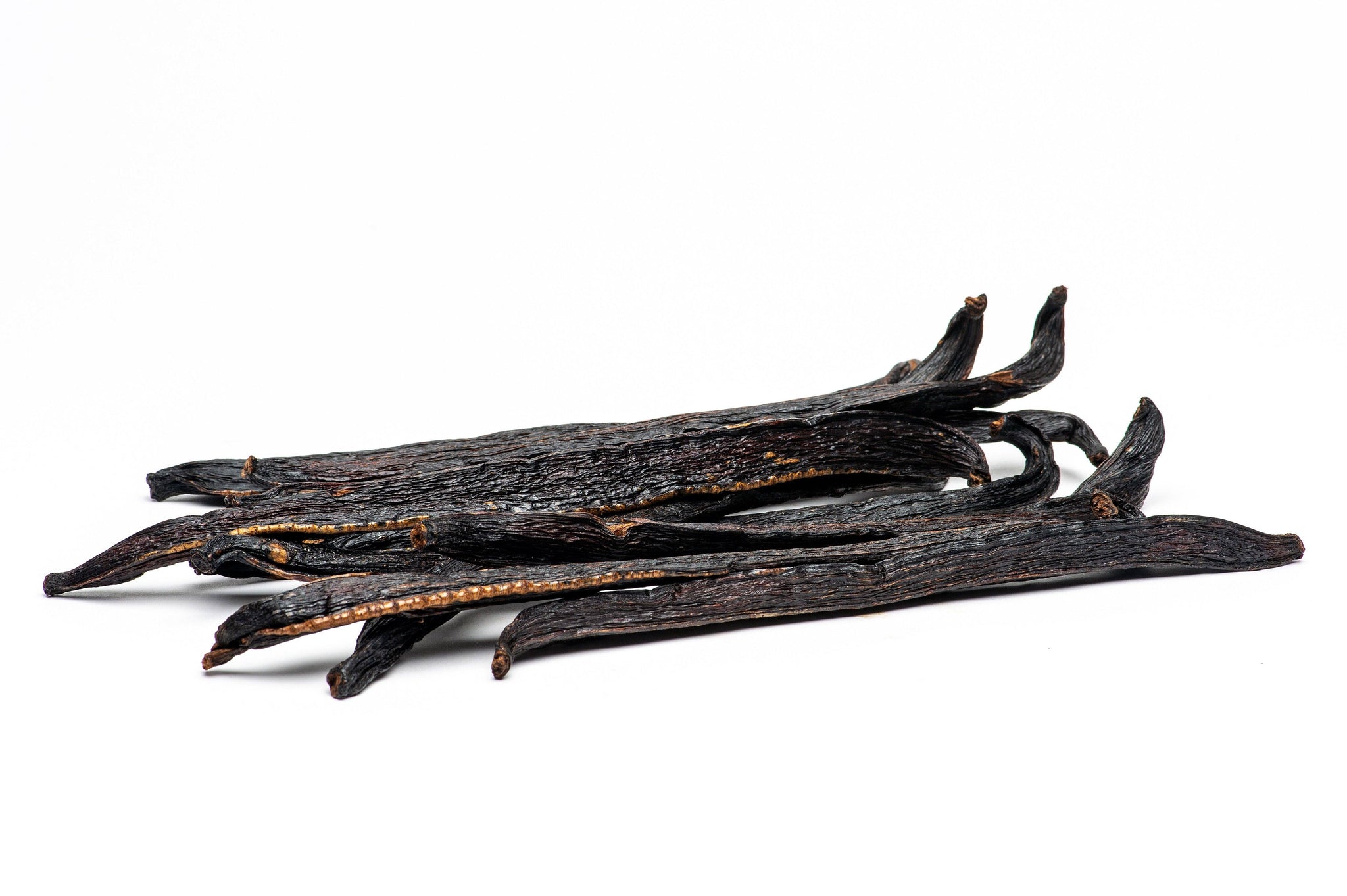
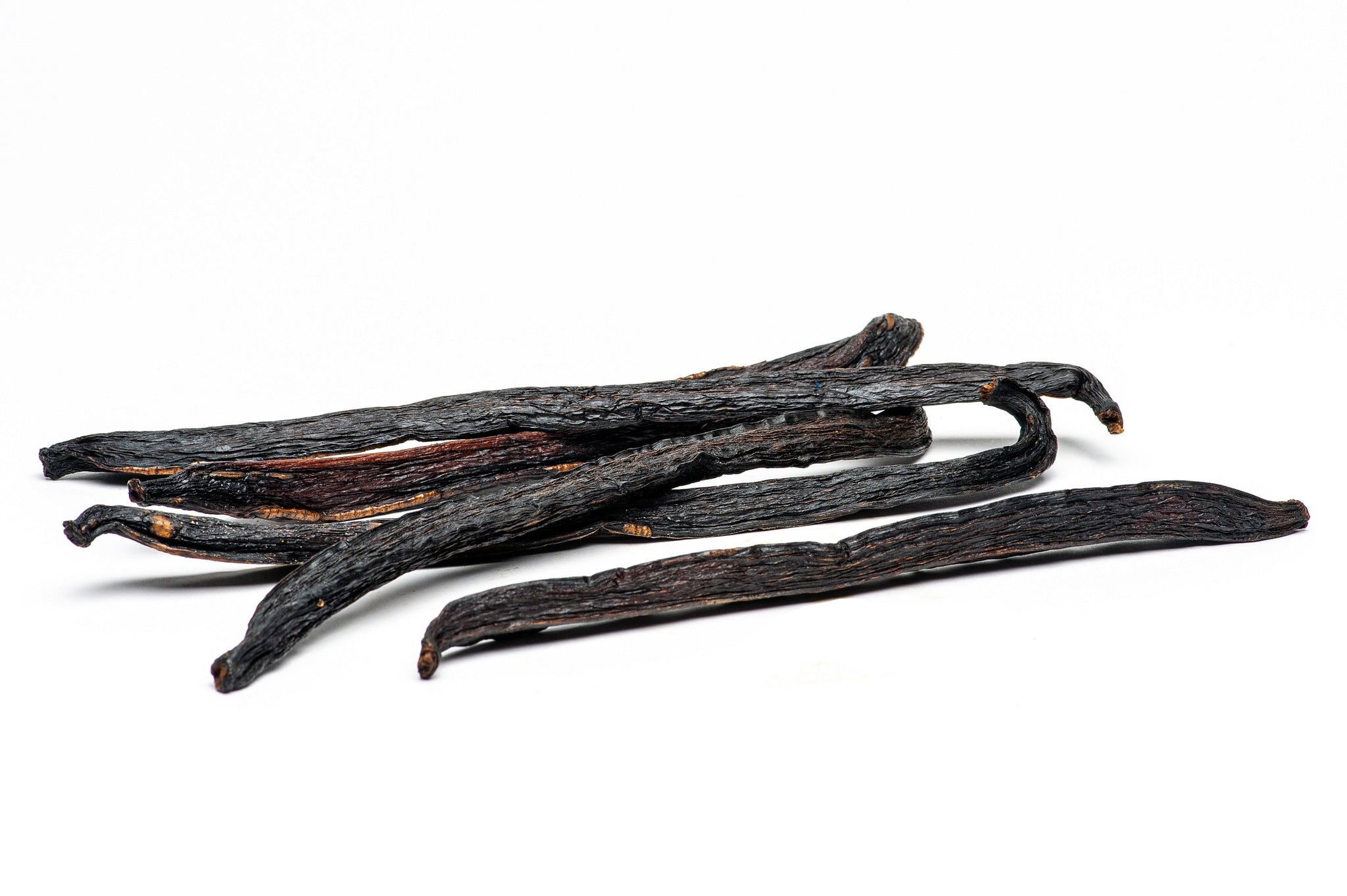
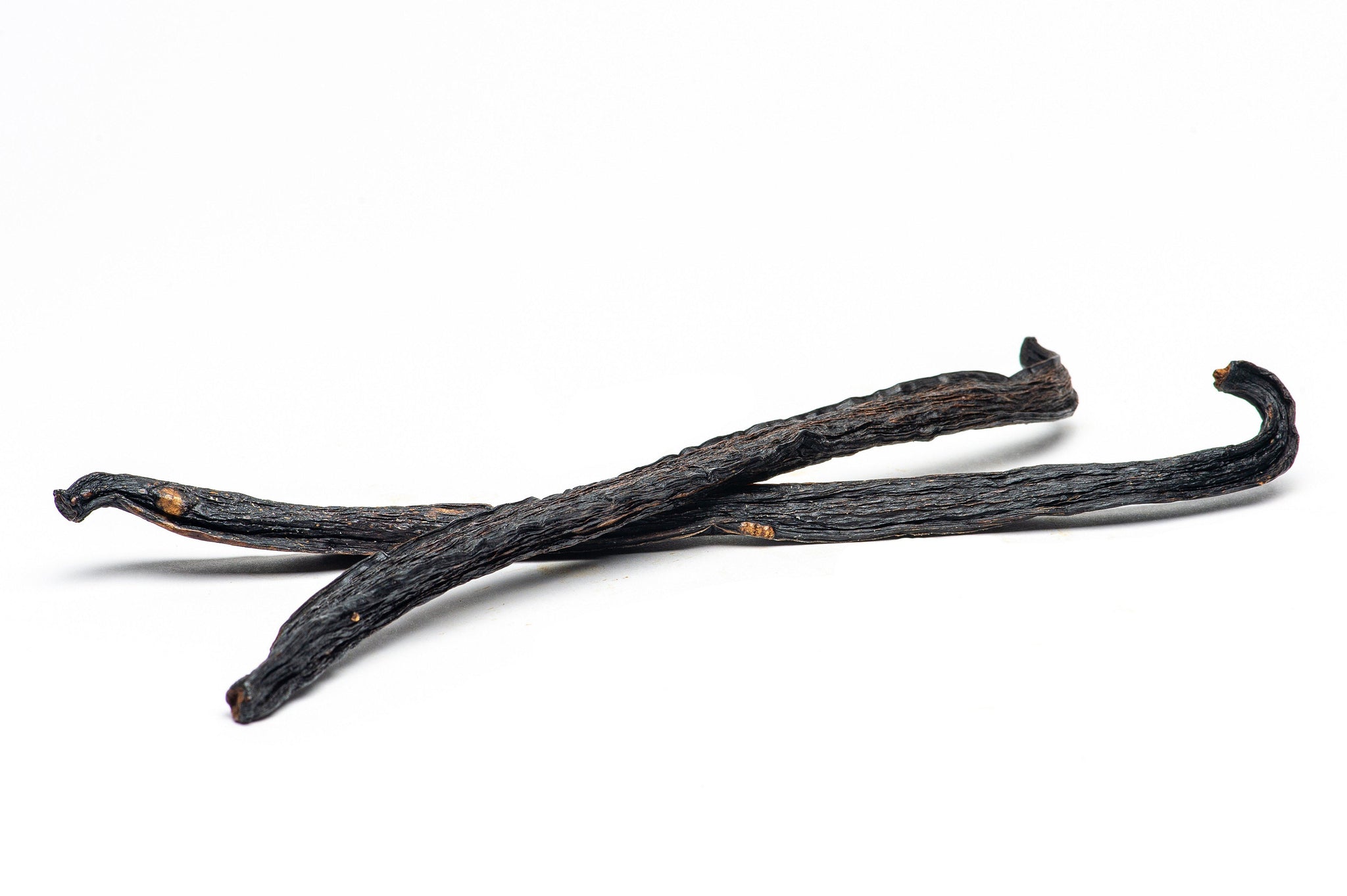
Exotic, rare, and quite possibly the largest vanilla beans you have ever seen, Pompona vanilla is believed to be the original vanilla bean. Due to the difficulty in cultivating, lower yields, and a host of other factors, Vanilla planifolia long ago supplanted this heritage vanilla bean. Slofoodgroup is proud to offer these truly unique vanilla beans in small quantities for true vanilla connoisseurs.
*Peruvian vanilla may contain a small portion of split vanilla beans. While these beans still have a wonderful fragrance and are full of vanilla seeds, the beans were split during the curing and conditioning process.
What makes vanilla Pompona so unique?
Why Vanilla Pompona Almost Disappeared
How to Use Vanilla Pompona
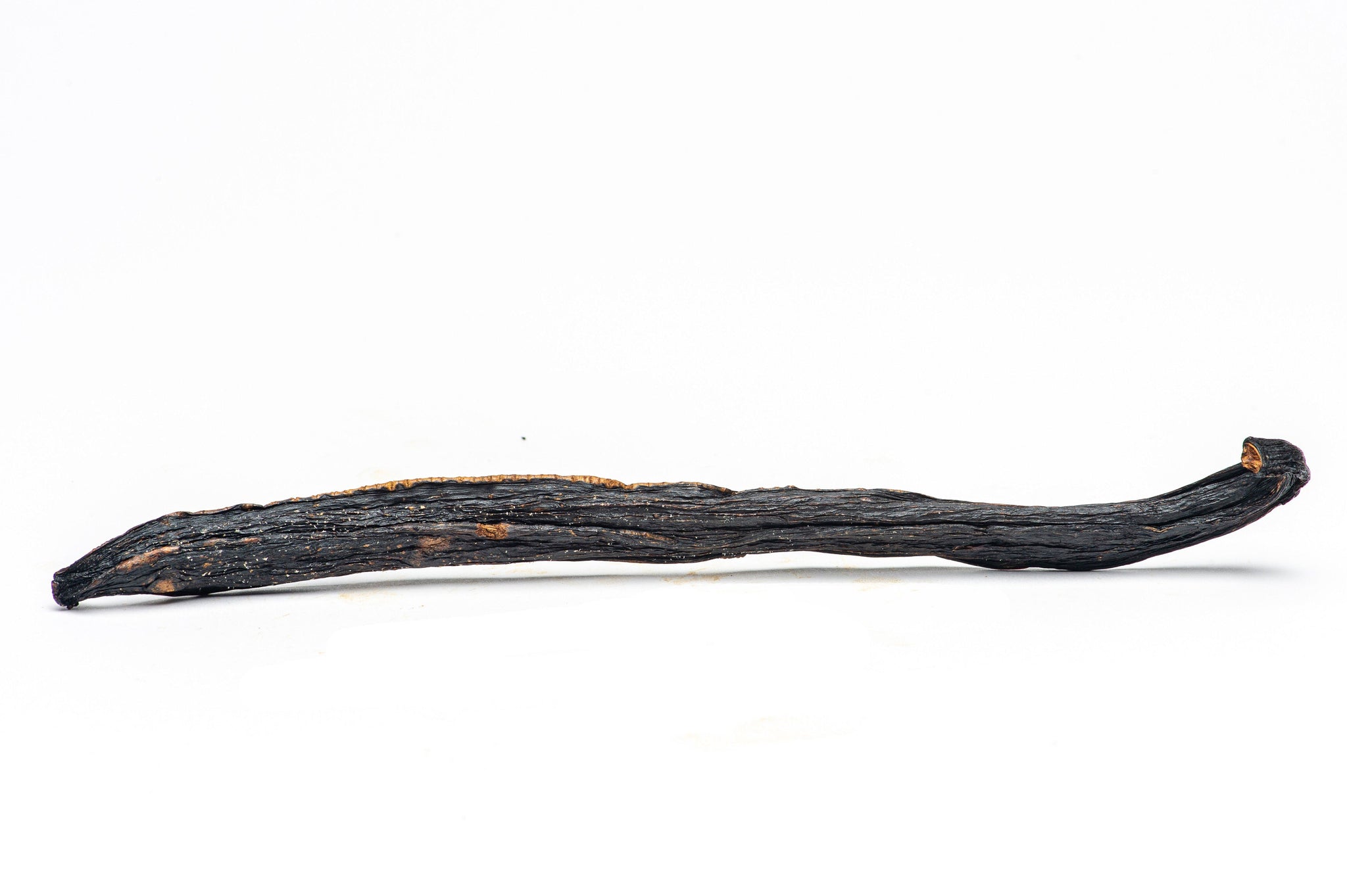
For starters, just look at these vanilla beans, the shape, texture, and aroma are unlike any other vanilla on the market. These vanilla beans have deep notes of fig and raisin and are known to develop vanilla crystals. The vanilla pod itself is much thicker and broader, while the inside of the bean is filled with ample amounts of vanilla seeds.
Looking for other Pompona vanilla beans? Have you tried our vanilla beans from Costa Rica or perhaps the Pompona vanilla from Madagascar? Please note that all Vanilla pompona is significantly more expensive than other types of vanilla due to its limited supply and rarity. You may or may not enjoy other vanilla beans more, but all vanilla is a commodity, and pricing is based upon many factors.
Vanilla pompona was once the primary vanilla species cultivated across parts of Central and South America, but it fell out of commercial favor as Vanilla planifolia, easier to grow, more productive, and more consistent, became the industry standard. Pompona vines are notoriously difficult to cultivate at scale and produce a fraction of the yield per plant compared to planifolia, making them commercially unattractive for large operations. Today, pompona survives mostly through small, dedicated growers who continue cultivating it for its distinctive flavor rather than for volume, which is exactly why it remains one of the rarest vanilla species available anywhere in the world.
Vanilla pompona's bold, complex flavor makes it especially well-suited for infusing into spirits, its notes of fig, raisin, and balsamic pair beautifully with bourbon, dark rum, or brandy for a homemade extract with real depth. Because the pods are thicker and more oil-rich than typical vanilla beans, they benefit from a longer steeping time, many extract makers steep pompona for several months rather than the standard 6-8 weeks, to fully draw out its complex flavor. Beyond extract, pompona is a favorite among adventurous bakers for custards, crème brûlée, and other gourmet desserts where a bolder, more unusual vanilla character is desired. If you'd rather skip the extended steep time, our vanilla bean paste offers a similarly bold, concentrated vanilla flavor ready to use right away. For a full walkthrough on making extract at home, see our guide to making vanilla extract.
Is This Bean Split Normal?
Because Vanilla pompona pods are unusually thick and moisture-rich compared to other vanilla species, they're more prone to splitting during the curing and conditioning process than slimmer, more pliable planifolia or tahitensis beans. A split or slightly opened pod is a normal characteristic of this species, not a sign of damage or lower quality. The bean's fragrance, seed content, and flavor remain fully intact regardless of whether the pod is split, cracked, or fully closed. If anything, a split pod can make it easier to access the vanilla caviar inside without needing to cut it open yourself.
It's also worth noting that pod size can vary significantly within this species, from about 15 to 20 cm. When ordering by count (for example, "2 beans" rather than by weight), you'll receive our average-size beans, typically in the 15-17 cm range. Since vanilla is a natural agricultural product, weight, not count, is what actually determines how much vanilla flavor you're getting. Thirty beans that together weigh 4 oz produce the same amount of vanilla extract as twenty beans that also weigh 4 oz, but if thirty beans weigh less than 4 oz while twenty beans weigh a full 4 oz, the twenty beans will yield more usable vanilla. For this reason, we recommend ordering and measuring by weight in all your recipes for the most consistent, cost-effective results.


Frequently Asked Questions
- Peruvian Pompona vanilla (Vanilla pompona) is unlike other vanilla on the market in shape, texture, and aroma. The pods are much thicker and broader than typical vanilla beans, averaging 15-20 cm in length, and are packed with ample vanilla seeds. They carry deep notes of fig and raisin, and are known to develop vanilla crystals over time.
- Vanilla pompona is believed to be the original vanilla bean species. Over time, Vanilla planifolia largely supplanted it in commercial cultivation due to pompona's difficulty to grow, lower yields, and other agricultural challenges, making pompona a rare heritage variety today rather than a mainstream crop.
- Peruvian Pompona vanilla may contain a portion of split beans or pods, a result of the curing and conditioning process rather than a quality defect. These beans still carry a wonderful fragrance and are full of vanilla seeds, just with a less intact pod structure.
- All Vanilla pompona is significantly more expensive than other vanilla types due to its limited supply and rarity; it is sold in small quantities for true vanilla connoisseurs. Vanilla is a commodity, and pricing reflects supply, rarity, and other market factors.
- Store in an airtight container in a cool, dark place. Properly stored, they have a shelf life of approximately 12-18 months.
- Yes. In addition to Peru, we carry Costa Rican Pompona, a hybrid of Pompona and Planifolia orchids, and Madagascar Pompona. Each origin offers a slightly different expression of this rare species.