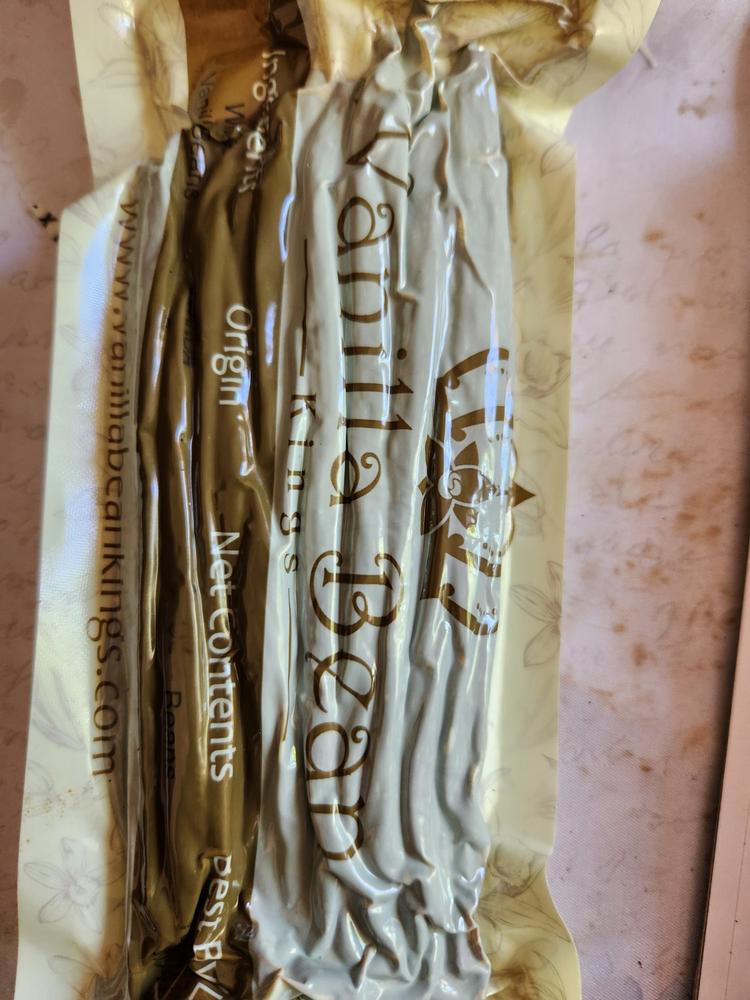
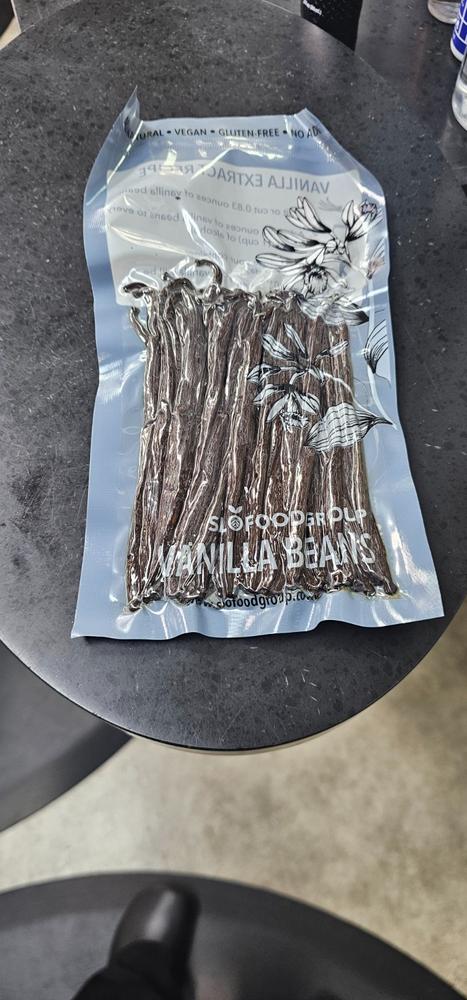
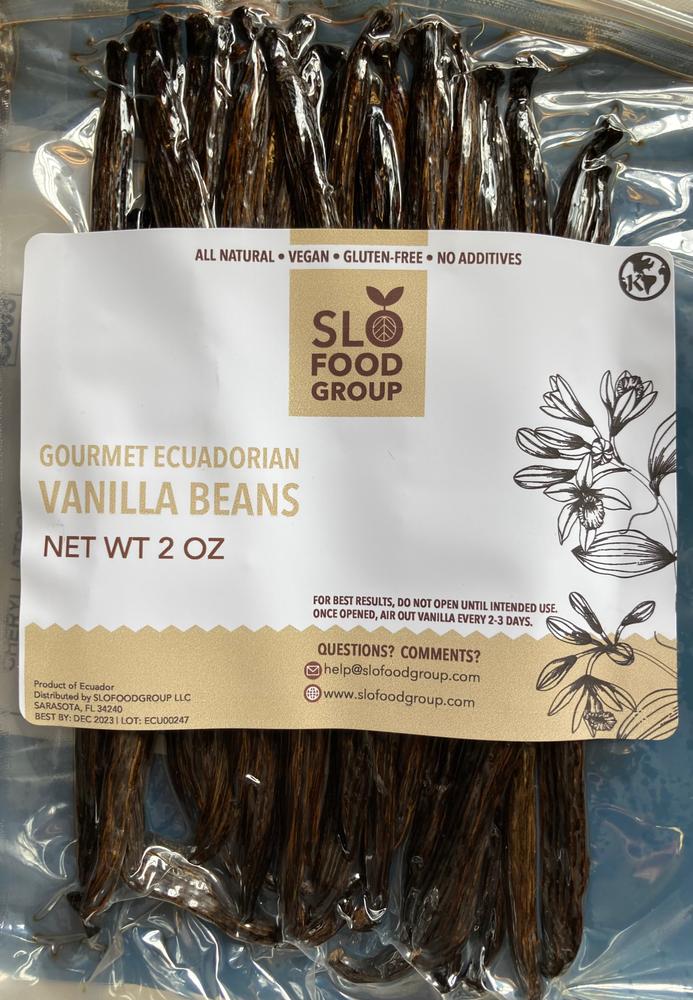
Gourmet Ecuadorian Vanilla Beans, Tahitensis
Tahitian vanilla beans from South America
Current price: $28.00

Vanilla Beans
Excellent Product! Excellent Service!

I'm a convert
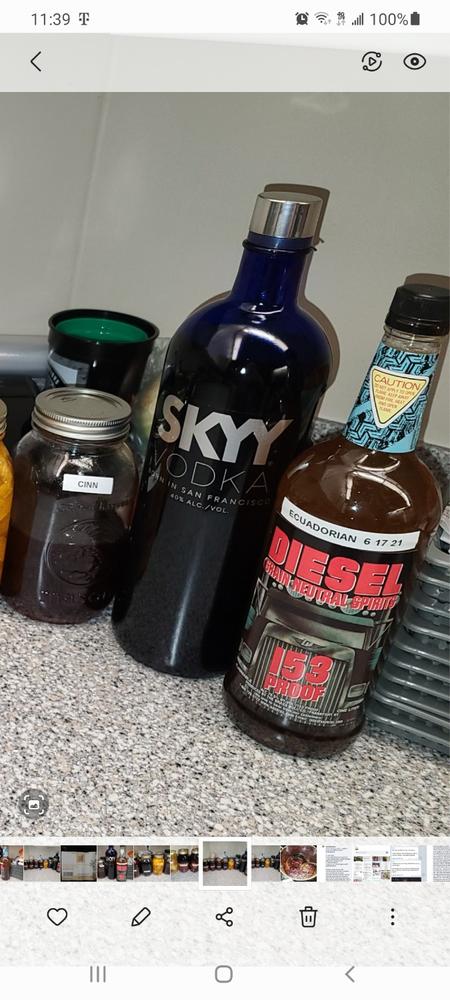
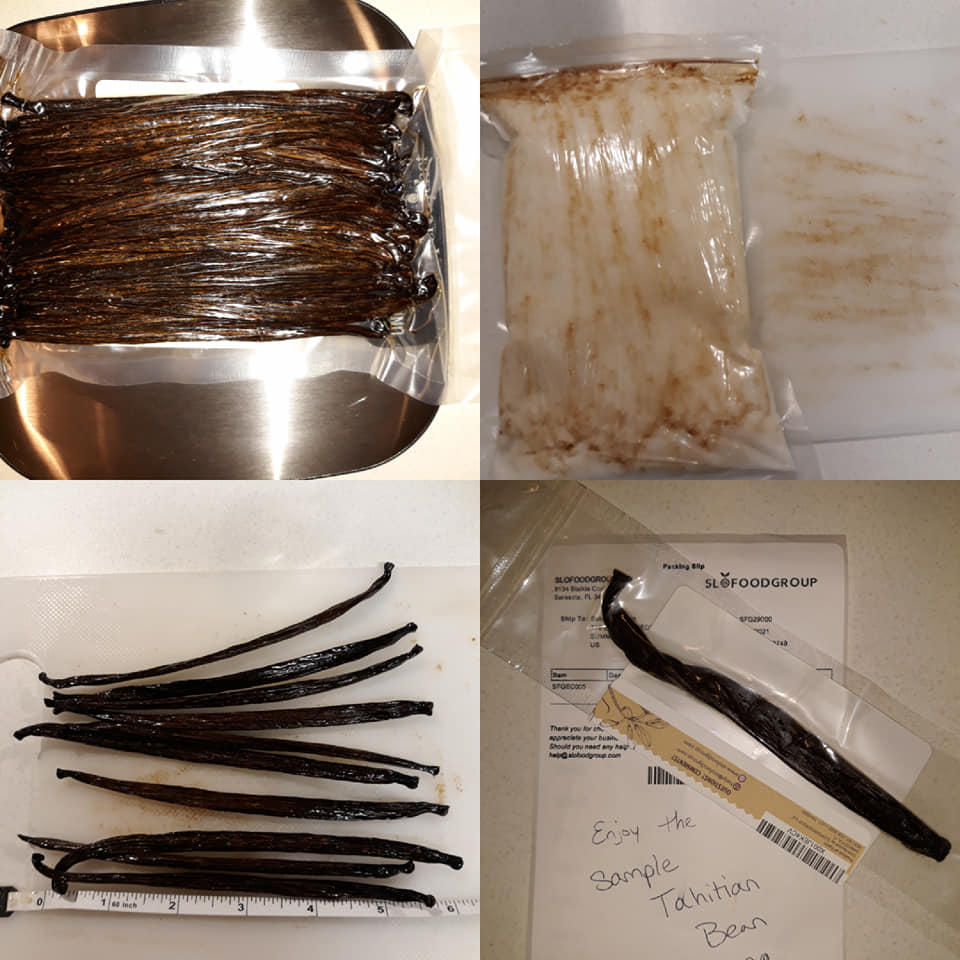
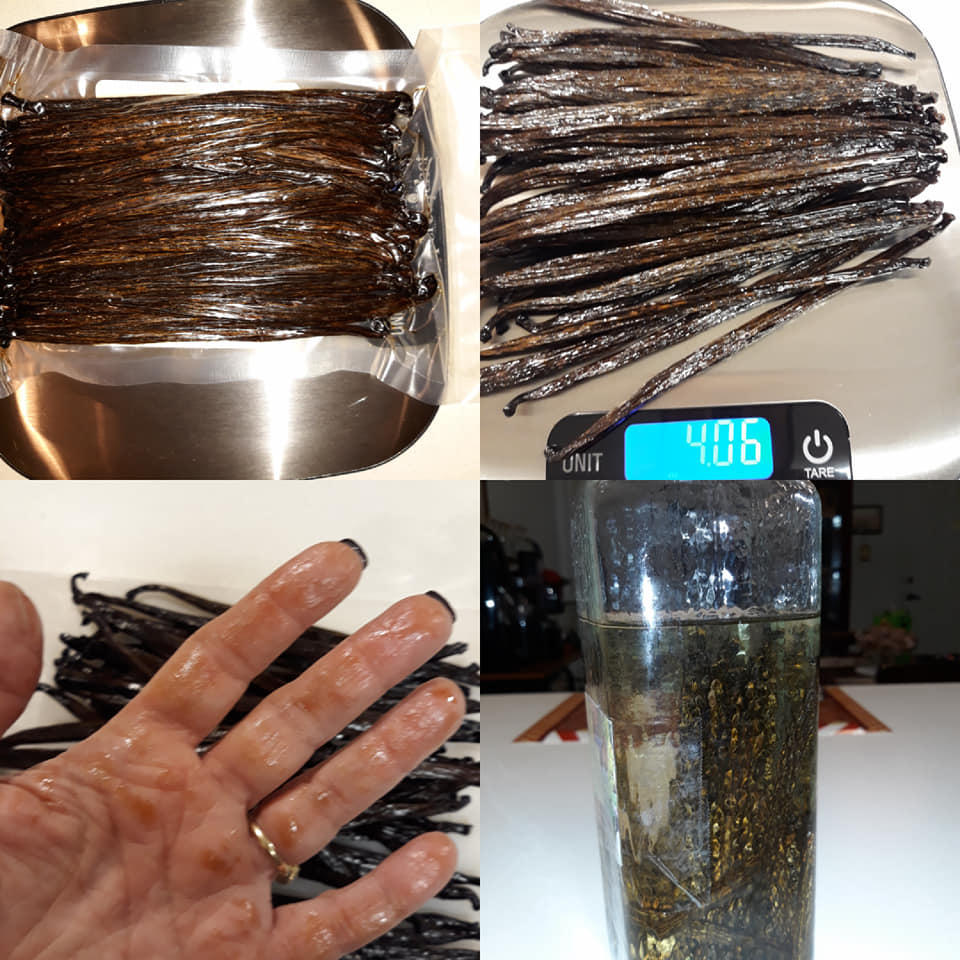
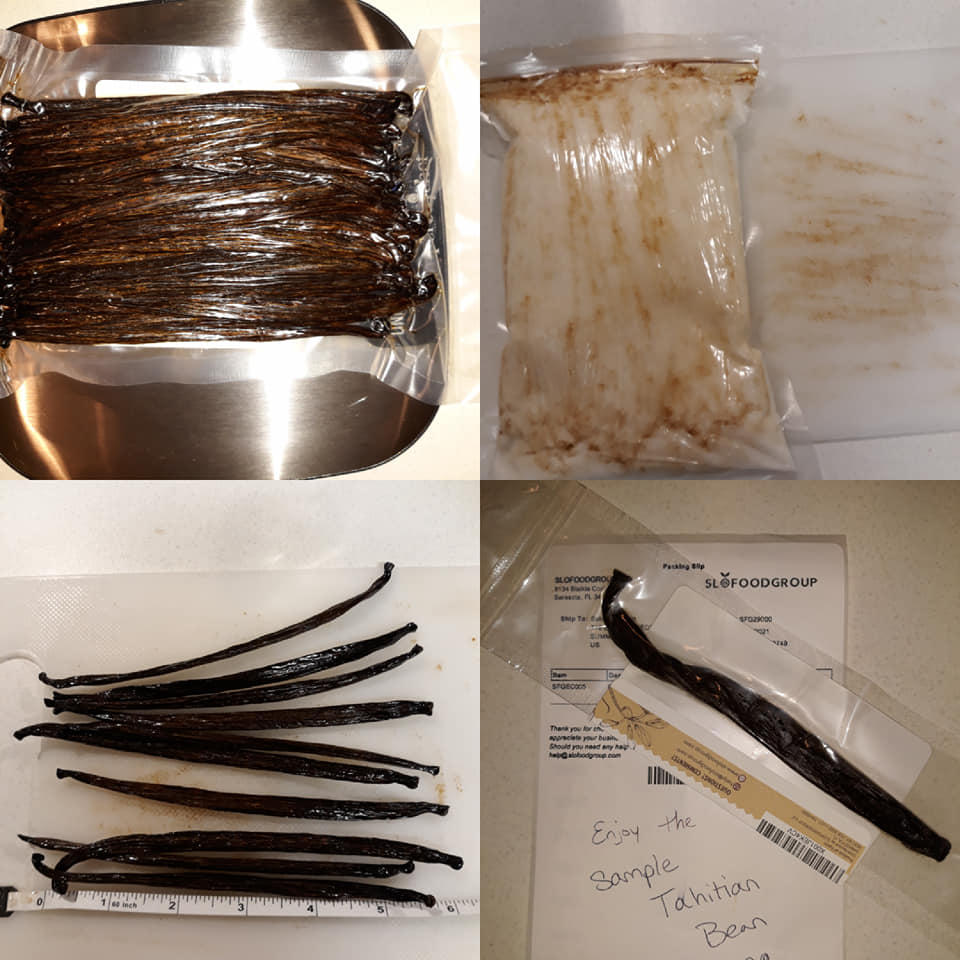
I've been making my own vanilla extract for over a decade and used to buy my beans based on reviews at a Infamous Global seller. Was never sure what I would get. Then I found this company! The beans were beautiful! Fragrant, moist but not too moist, easy to cut open to expose the seeds and each Bean was six to seven inches long. I'm a happy extract maker! 💝💃🥳
High Quality Vanilla - excellent customer service.
Slo Food group team takes great care of their customers. Received a broken bottle of Vanilla and it was immediately handled. Received my replacement bottle within 3 days.
This extract is used to make our Tahitian Vanilla Cakes!

Great place to get your spices
SLO Food group is the best place I have found to buy my vanilla beans, great customer service, fast shipping and very competitive prices. Thank you for helping me with my project, Vanilla extract. Thank you don young




This is a carousel with one large image and a track of thumbnails below. Select any of the image buttons to change the main image above.
Vanilla Beans
Excellent Product! Excellent Service!
I'm a convert
I've been making my own vanilla extract for over a decade and used to buy my beans based on reviews at a Infamous Global seller. Was never sure what I would get. Then I found this company! The beans were beautiful! Fragrant, moist but not too moist, easy to cut open to expose the seeds and each Bean was six to seven inches long. I'm a happy extract maker! 💝💃🥳
High Quality Vanilla - excellent customer service.
Slo Food group team takes great care of their customers. Received a broken bottle of Vanilla and it was immediately handled. Received my replacement bottle within 3 days.
This extract is used to make our Tahitian Vanilla Cakes!
Great place to get your spices
SLO Food group is the best place I have found to buy my vanilla beans, great customer service, fast shipping and very competitive prices. Thank you for helping me with my project, Vanilla extract. Thank you don young
How to Make Vanilla Extract
An easy to follow guide to making vanilla extract in your own kitchen
South American Grown, Tahitian Vanilla Beans

Grown and Cured in South America
Hand-pollinated in Ecuador's coastal lowlands and cured in the Andean highlands, this bean's entire journey happens right there in South America.

More Potent Than True Tahitian
Genuinely stronger than vanilla grown on Tahiti itself, without losing the floral, fruity character that makes tahitensis so distinctive.

Not Just Vanillin
Rich in heliotropin and anisaldehyde rather than vanillin alone, the reason this bean smells like cherry blossoms and almonds instead of classic vanilla.

Great For Single or Blended Extracts
Extract makers often add it at 20-30% into a Madagascar base, layering in floral complexity without sacrificing that familiar vanilla backbone.
Technical Specifications
| Origin | Ecuador |
|---|---|
| Species | Vanilla tahitensis (Tahitian-Style) |
| Grade | Gourmet, Grade A, Prime |
| Size | Avg 14-16 cm average and Up |
| Certifications | Kosher (EarthKosher), GMP |
| Aroma | Sweet, Floral, with Notes of Cherry, Plum, and Apricot |
| Active Compounds | Heliotropin, Anisaldehyde, p-Hydroxybenzaldehyde |
| Flavor Profile | Sweet, Floral, Fruity, Delicate |
| Tasting Notes | Cherry, Plum, Apricot, Stone Fruit |
| Curing Process | Grown in Tropical Lowlands, Cured in the Cooler, Drier Andean Highlands (Lower Humidity Than Traditional Tahiti Curing) |
| Best For | Cold and Lightly Cooked Applications: Ice Cream, Pastry Cream, Custards, Extract |
| Additional Attributes | Non-GMO, Gluten Free |
| Storage | Airtight Container, Cool, Dark Place |
| Packaging | Vacuum-Sealed, Food-Grade |
| Shelf Life | 12-24 Months Properly Stored |
Gourmet Ecuadorian Vanilla Beans, Tahitensis
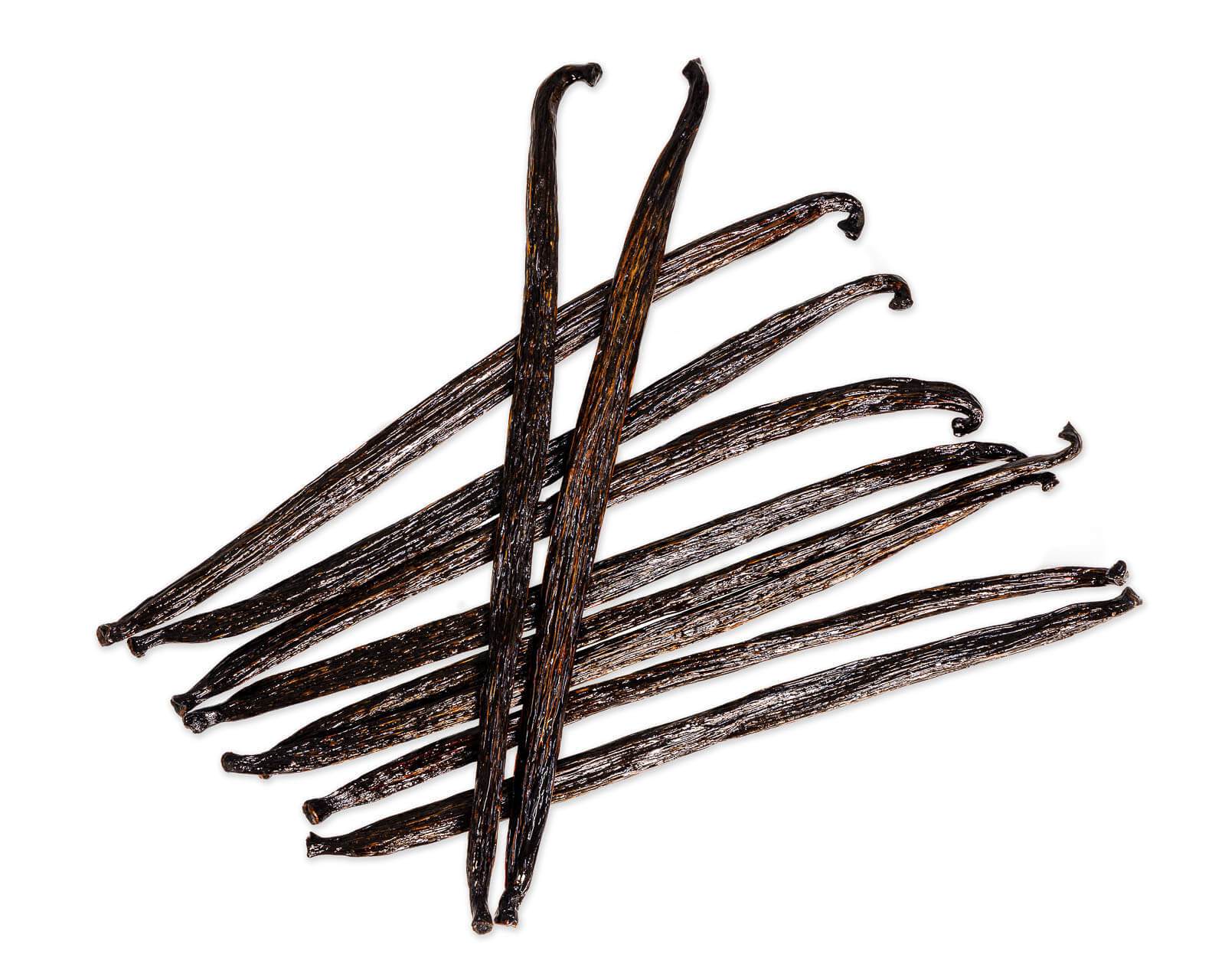
Grown in the coastal lowlands of Ecuador, near Esmeraldas, and cured in the cooler, drier air of the Andean highlands, these Tahitian-style vanilla beans are a gourmet vanilla lover's dream come true. This two-region journey, tropical growth followed by highland curing, is what gives these beans their sweet, floral character and a lower moisture profile than traditional vanilla from Tahiti itself. They're a perfect complement to our family of spices, offering a unique take on the flavor and intoxicating aroma that Tahitian-type vanilla is known for.
Floral Flavor, Aromatic Vanilla
Ecuadorian Grade A Tahitian Vanilla
How to Use Ecuadorian Tahitensis Vanilla Beans
Vanilla tahitensis gets its signature floral, fruity character from a different set of aromatic compounds than classic Bourbon vanilla. While Vanilla planifolia is dominated by vanillin, tahitensis is richer in heliotropin, anisaldehyde, and p-hydroxybenzaldehyde, compounds that smell like cherry blossoms, almond, and violets. That's exactly why these beans taste and smell so different from the vanilla most people grew up with, less of the classic "vanilla" note, more floral, fruity complexity.
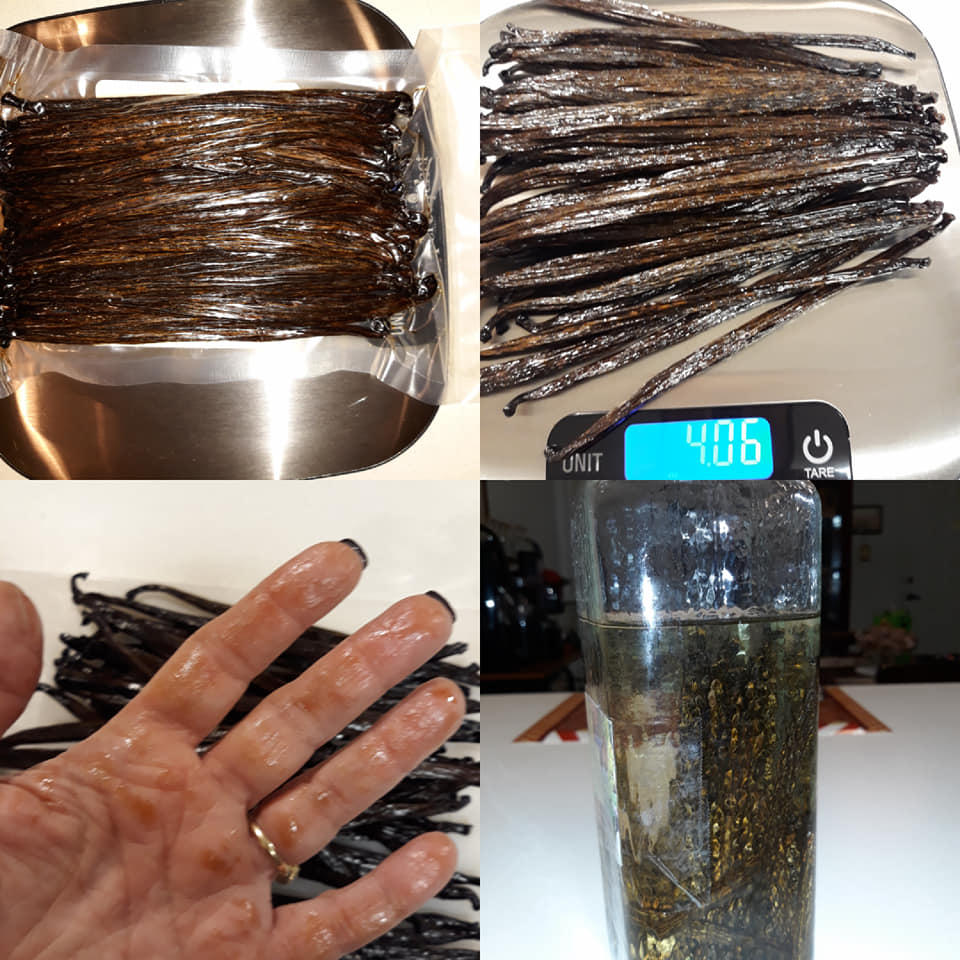
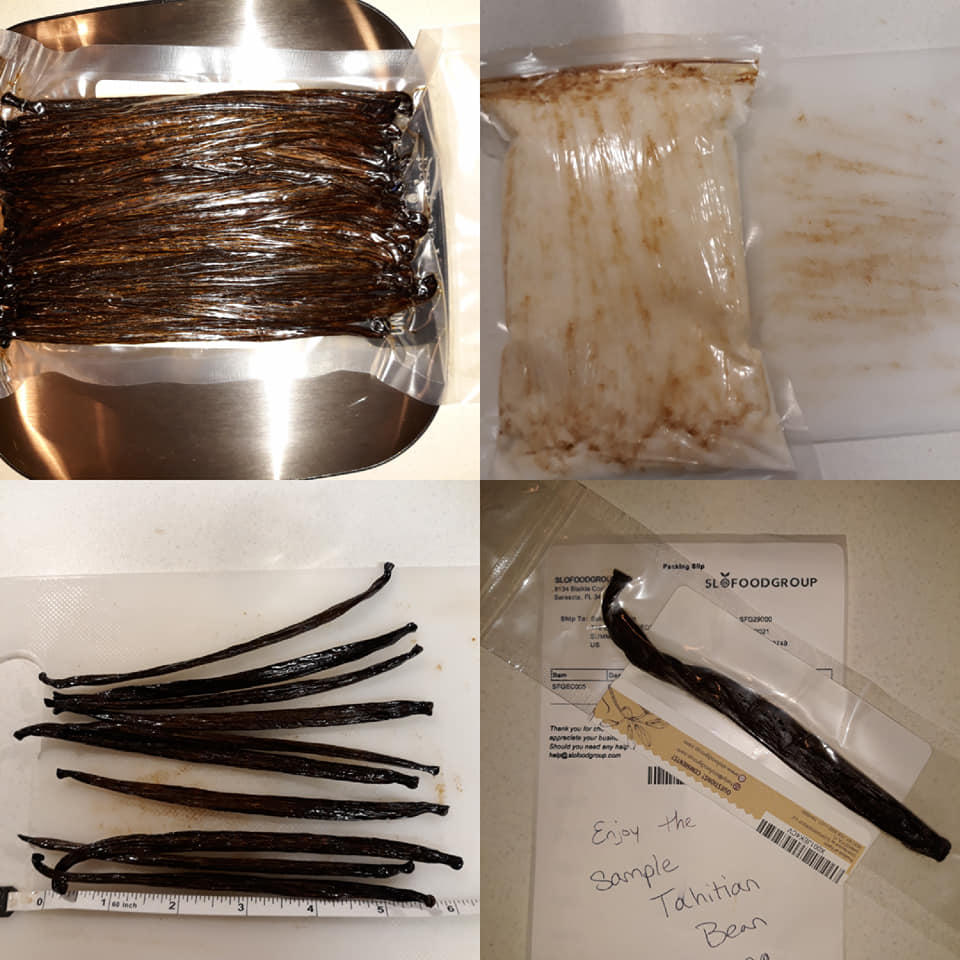
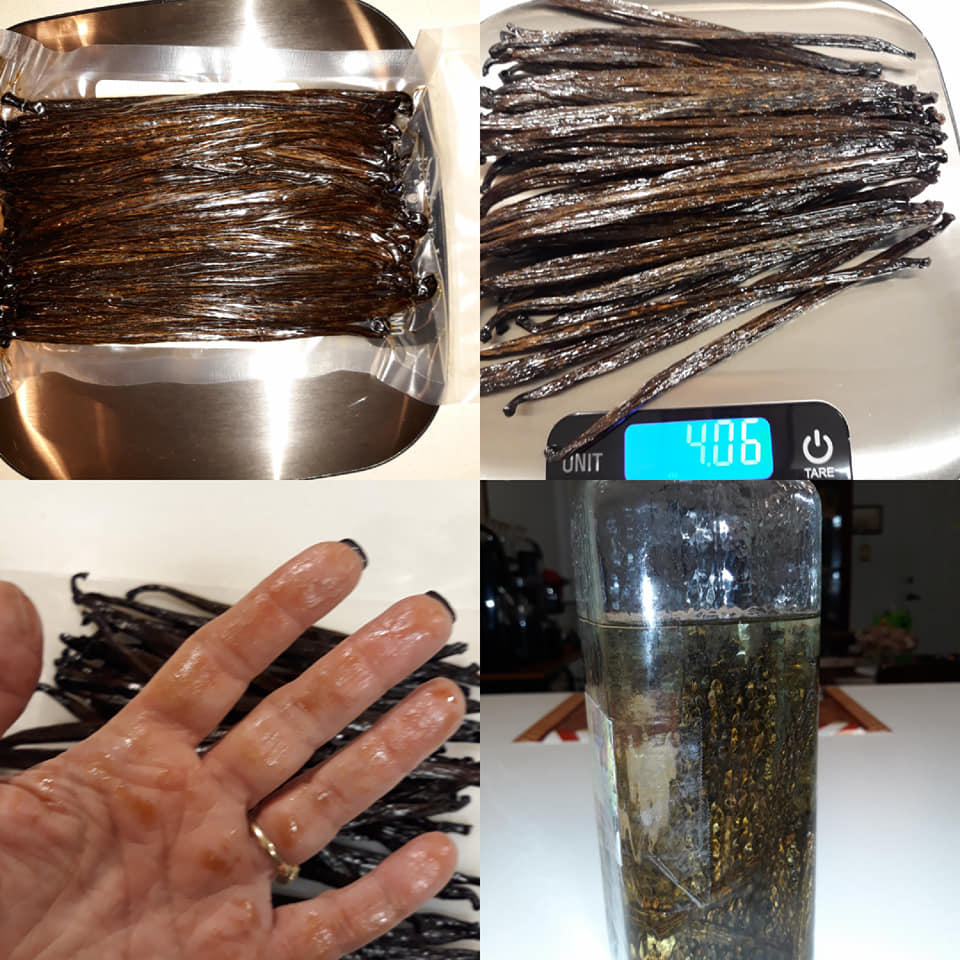
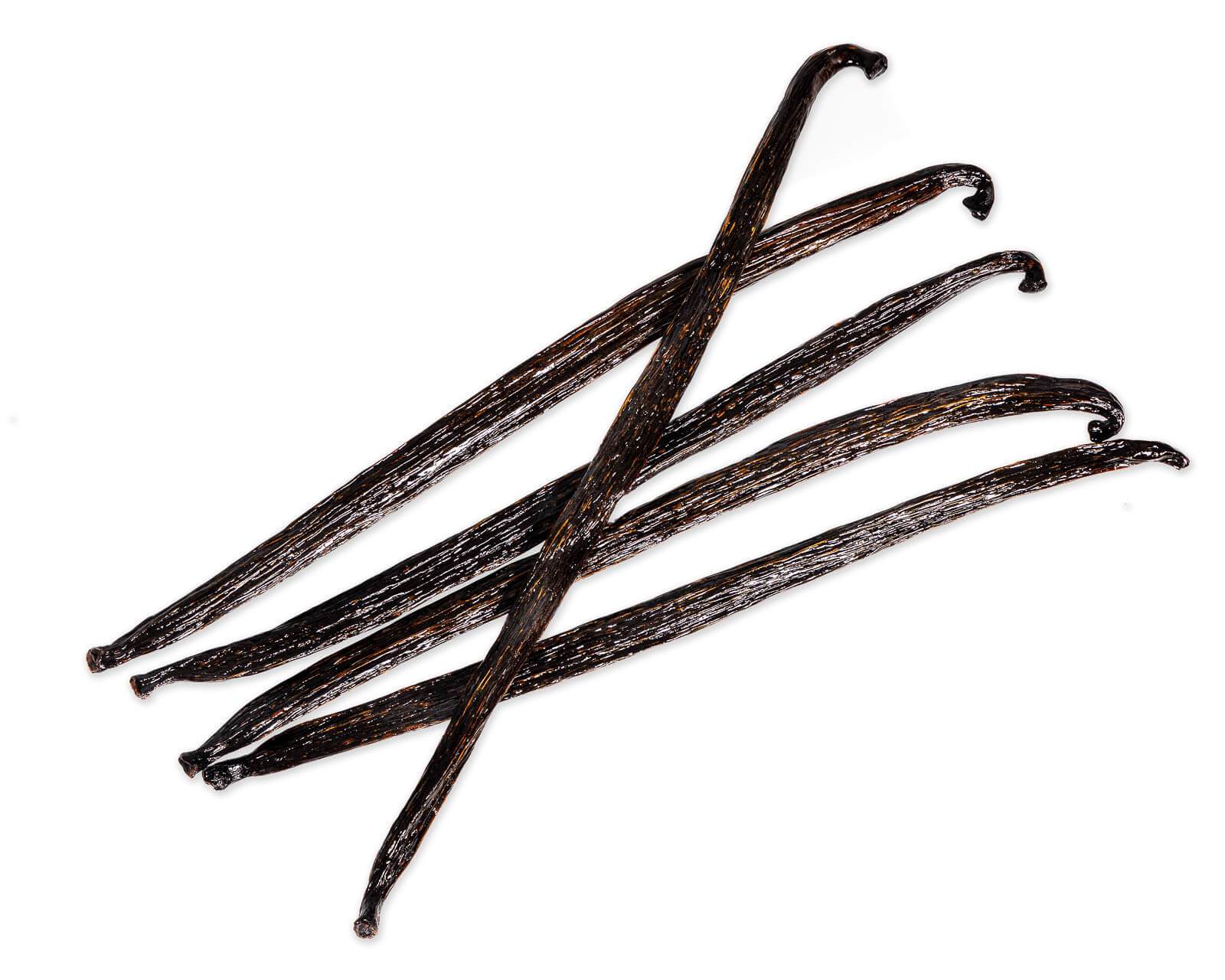
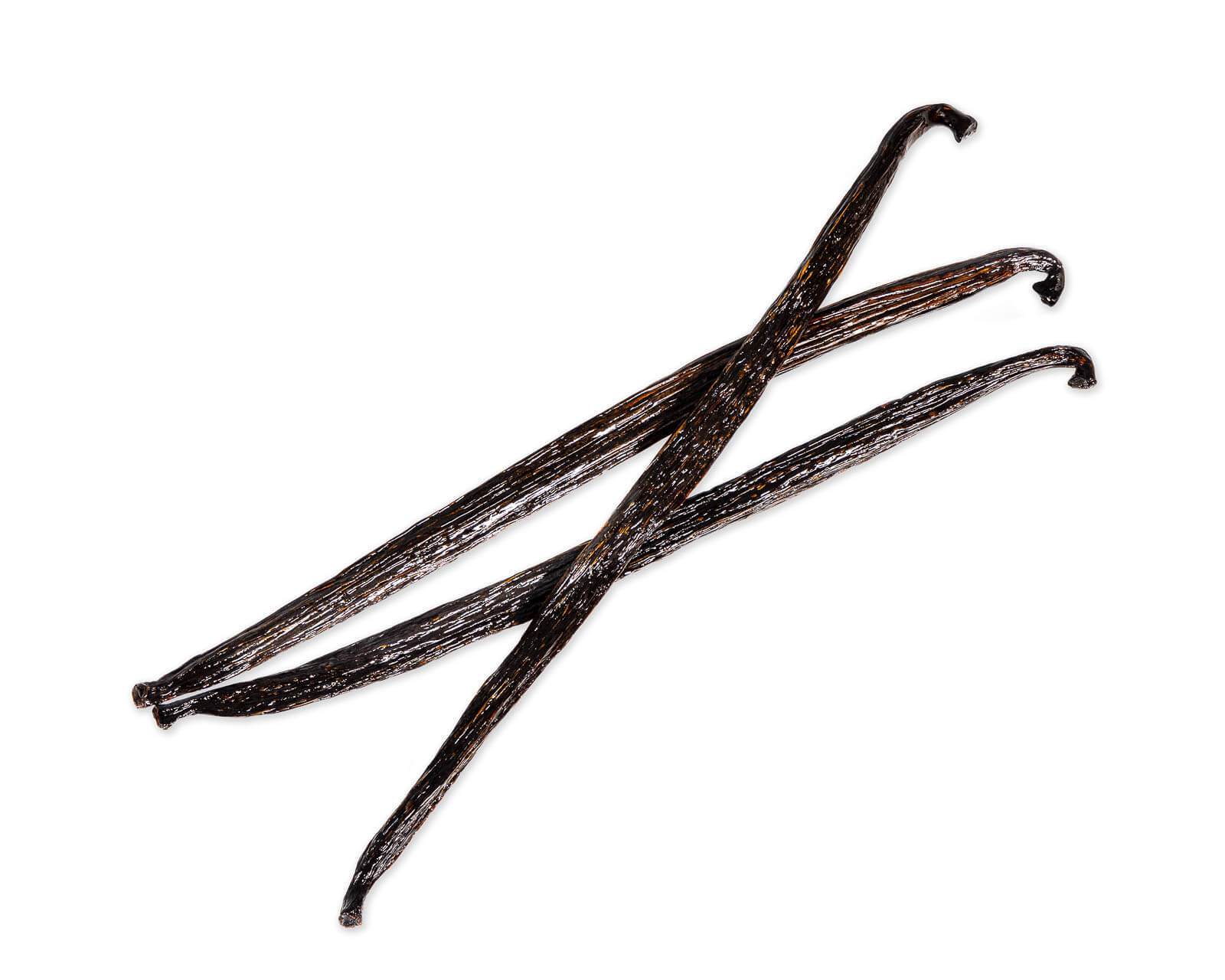
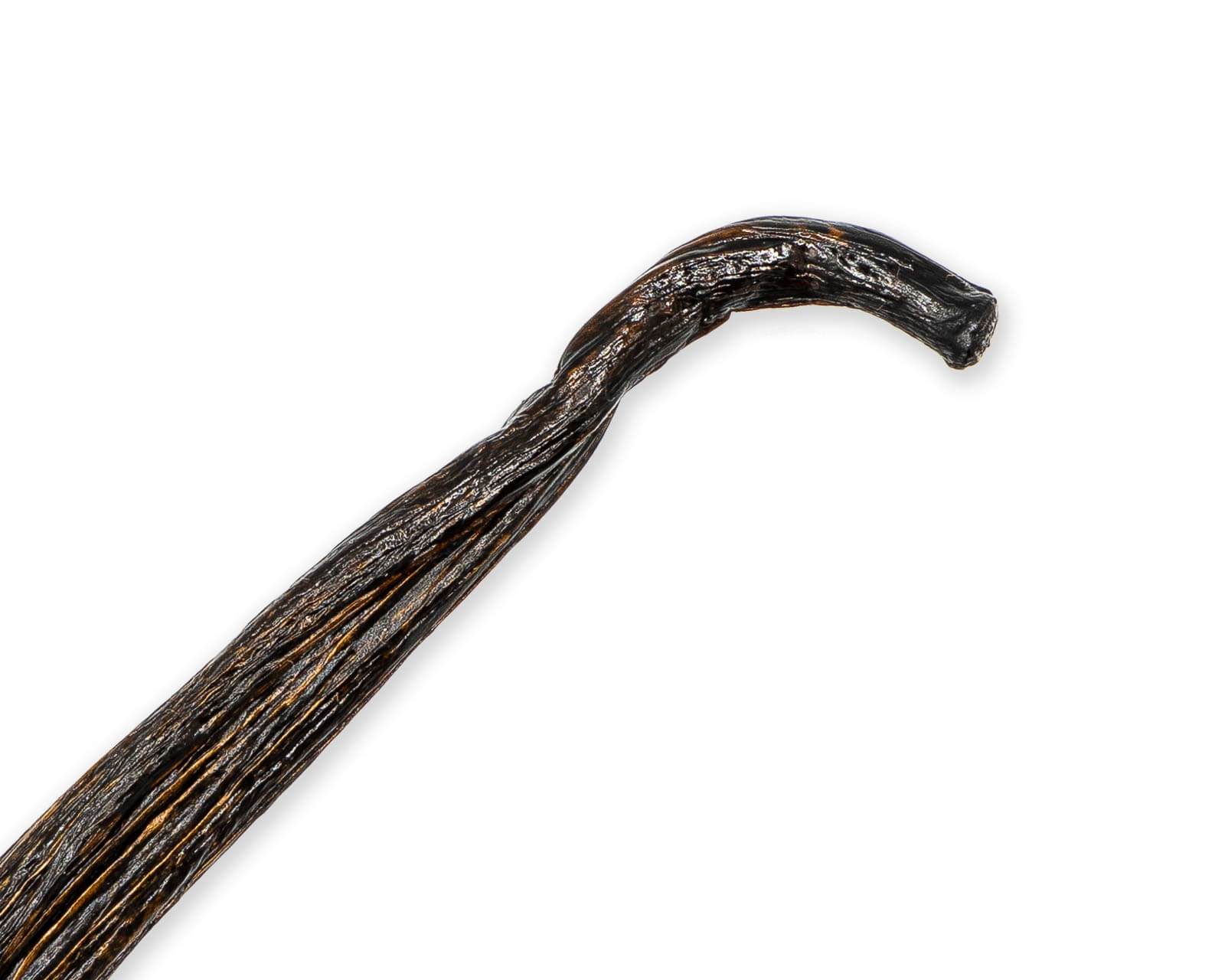
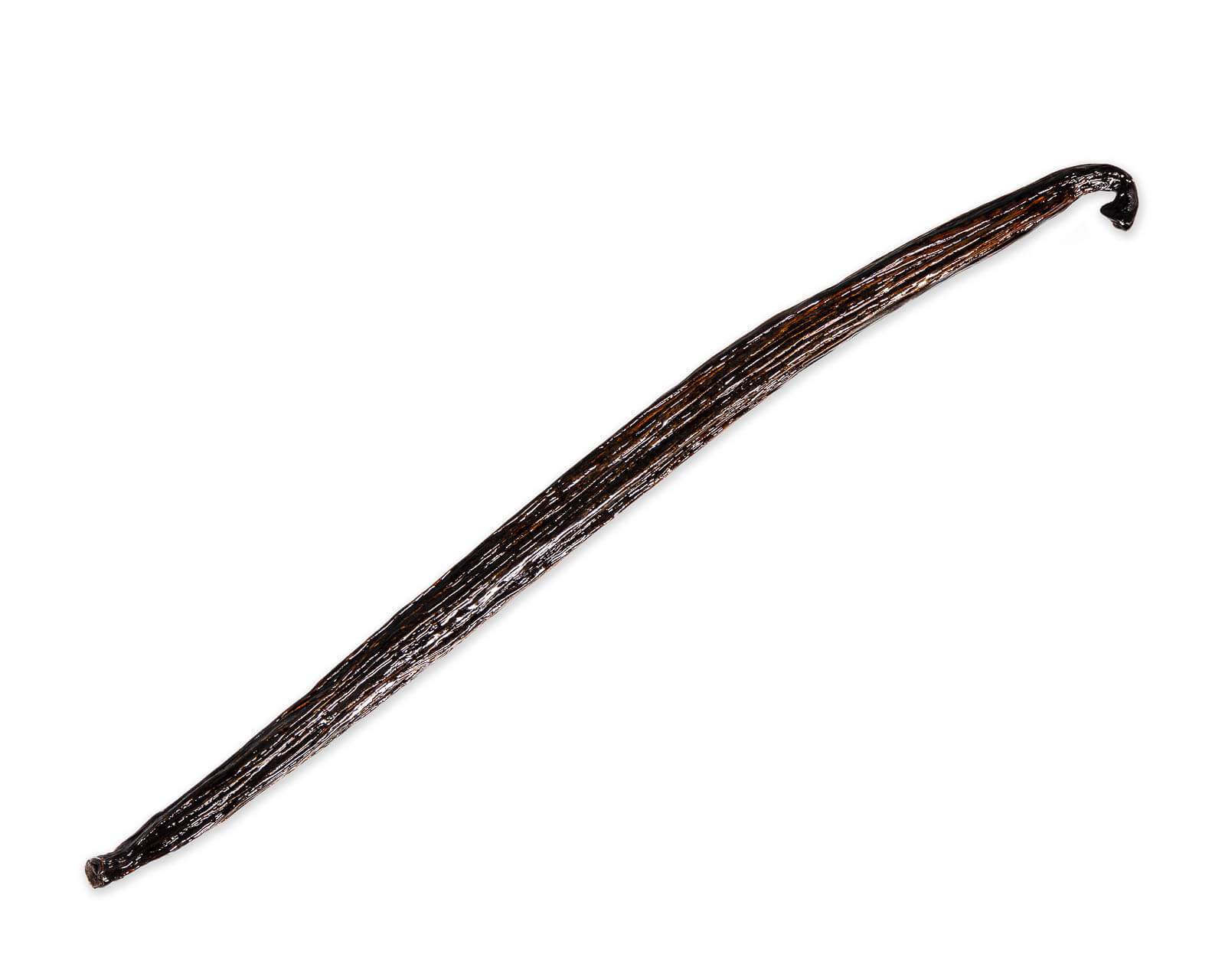
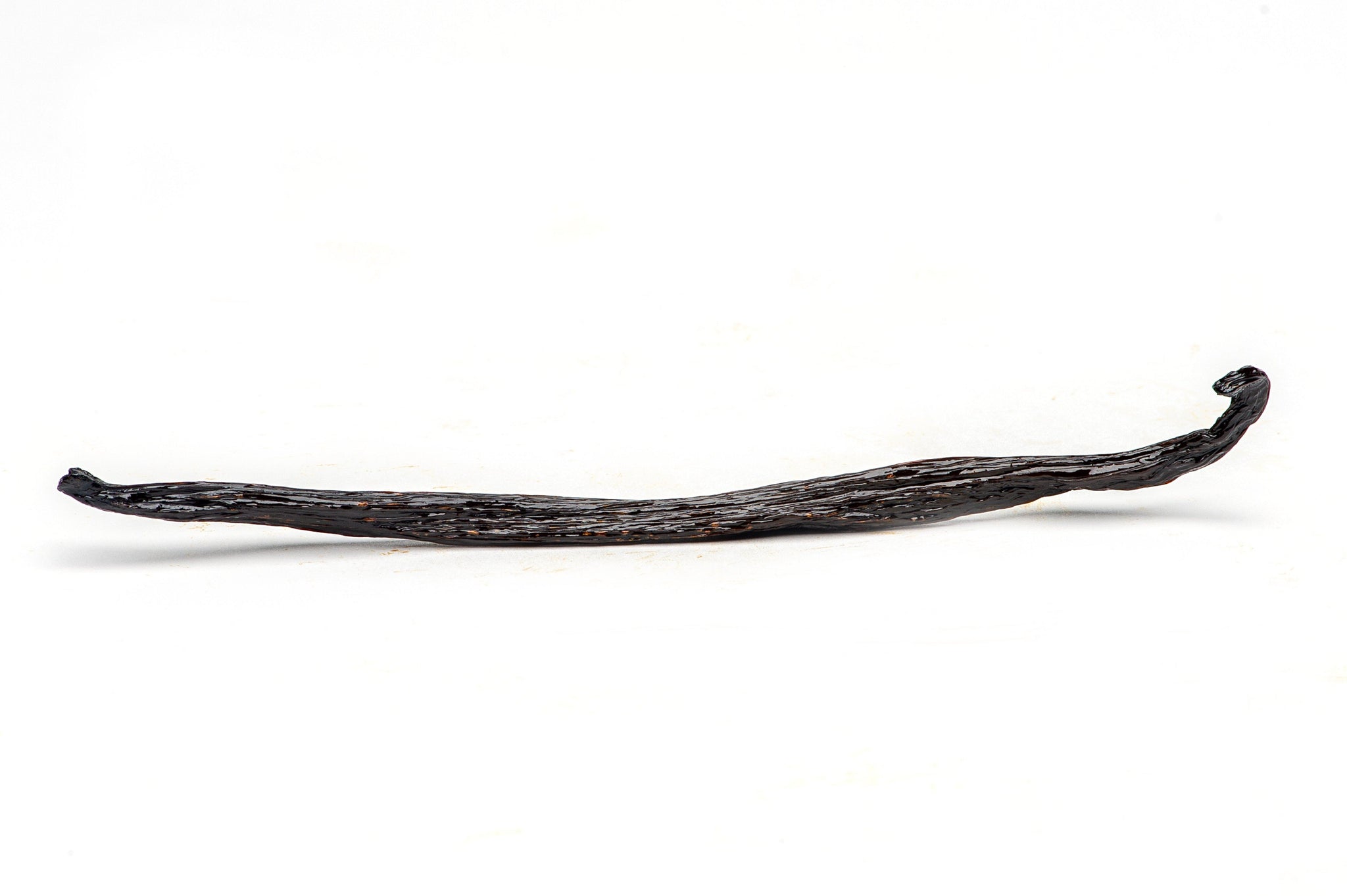
Each Ecuadorian vanilla bean measures 14 cm or more in length, with a beautiful, oily sheen and an aroma carrying delicate notes of stone fruits like cherry, plum, and apricot. Vanilla from Ecuador is considered a genuine delicacy, adored by chefs around the world.
Try these beautiful vanilla beans today, or explore any of our other great varieties of vanilla beans. If you're looking for a traditional Tahitian vanilla bean, our vanilla from the islands of Tahiti cannot be matched in class and quality, shop vanilla from Tahiti today, or give these Ecuadorian vanilla beans or Tahitian vanilla from Papua New Guinea a try. We're confident you'll love whatever vanilla bean choice you make, we actually guarantee it.
To use one of these vanilla beans, lay it flat on a cutting board and slice it lengthwise from end to end with a sharp paring knife. Press one end firmly against the board and use the dull, back side of the knife to scrape out the tiny black seeds inside, often called vanilla caviar. Because of tahitensis's more delicate floral compounds, this bean shines especially well in cold or lightly cooked applications, ice cream, pastry cream, custards, and whipped cream, where its aromatics survive better than they would under prolonged high heat. It also makes a beautifully fragrant addition to homemade vanilla extract. Don't discard the empty pod once you've scraped it, dry it out for vanilla powder, or bury it in sugar to make your own vanilla sugar over time. These vanilla beans can also be used to make your own vanilla extract by using .93 ounces of vanilla beans to every cup alcohol.
When you buy Ecuadorian vanilla beans from Slofoodgroup, you can be sure you're receiving a product that is certified kosher, non-GMO, gluten free, and high-quality.
How Ecuadorian Vanilla Compares in Strength
If you're trying to figure out where this bean fits among the vanilla you already know, here's a useful way to think about it: Ecuadorian tahitensis is generally more potent than true Tahiti-grown vanilla, but not quite as bold or intense as Madagascar or Mexican vanilla. That makes it a genuinely versatile middle ground, floral and fruity like Tahitian vanilla, but with enough strength behind it to hold its own in extract or baking, rather than disappearing the way delicate Tahiti-grown vanilla sometimes can. Many extract makers use it as a blending component too, adding it at roughly 20-30% into a Madagascar base to bring floral complexity without losing that familiar, classic vanilla backbone.
You may also like


Frequently Asked Questions
- Both come from the same species, Vanilla tahitensis, but Ecuadorian vanilla follows a unique two-region process, grown in the coastal lowlands, then cured in the cooler, drier Andean highlands. This gives it a lower moisture profile than traditional Tahiti-cured vanilla, along with its own distinct sweet, floral character.
- Vanilla tahitensis is richer in aromatic compounds like heliotropin, anisaldehyde, and p-hydroxybenzaldehyde, rather than being dominated by vanillin like classic Bourbon vanilla. These compounds create floral, cherry, and almond-like notes rather than the traditional "vanilla" flavor most people expect.
- These beans shine especially well in cold or lightly cooked applications, ice cream, pastry cream, custards, and whipped cream, where their delicate floral aromatics survive better than under prolonged high heat. They also make a beautifully fragrant homemade vanilla extract.
- Store in an airtight container in a cool, dark place. Properly stored, these vanilla beans last 12-24 months.
- You can buy Ecuadorian Tahitensis vanilla beans online in bulk or small quantities at Slofoodgroup.