


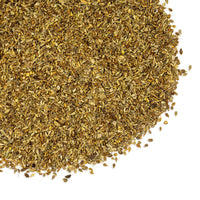
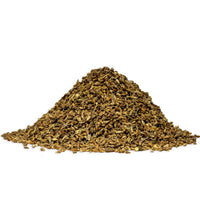
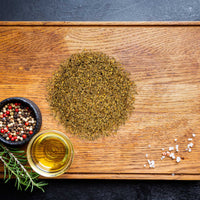
Whole Anise Seeds
Current price: Dhs. 42.00

Vanilla Beans
Excellent Product! Excellent Service!

I'm a convert
I've been making my own vanilla extract for over a decade and used to buy my beans based on reviews at a Infamous Global seller. Was never sure what I would get. Then I found this company! The beans were beautiful! Fragrant, moist but not too moist, easy to cut open to expose the seeds and each Bean was six to seven inches long. I'm a happy extract maker! 💝💃🥳
High Quality Vanilla - excellent customer service.
Slo Food group team takes great care of their customers. Received a broken bottle of Vanilla and it was immediately handled. Received my replacement bottle within 3 days.
This extract is used to make our Tahitian Vanilla Cakes!

Great place to get your spices
SLO Food group is the best place I have found to buy my vanilla beans, great customer service, fast shipping and very competitive prices. Thank you for helping me with my project, Vanilla extract. Thank you don young


This is a carousel with one large image and a track of thumbnails below. Select any of the image buttons to change the main image above.
Vanilla Beans
Excellent Product! Excellent Service!
I'm a convert
I've been making my own vanilla extract for over a decade and used to buy my beans based on reviews at a Infamous Global seller. Was never sure what I would get. Then I found this company! The beans were beautiful! Fragrant, moist but not too moist, easy to cut open to expose the seeds and each Bean was six to seven inches long. I'm a happy extract maker! 💝💃🥳
High Quality Vanilla - excellent customer service.
Slo Food group team takes great care of their customers. Received a broken bottle of Vanilla and it was immediately handled. Received my replacement bottle within 3 days.
This extract is used to make our Tahitian Vanilla Cakes!
Great place to get your spices
SLO Food group is the best place I have found to buy my vanilla beans, great customer service, fast shipping and very competitive prices. Thank you for helping me with my project, Vanilla extract. Thank you don young
 Prop 65 Cancer and Reproductive Harm Warning
 Prop 65 Cancer and Reproductive Harm Warning
Small Seed, Big Flavor

Sourced from Premier Growing Regions
Grown in Turkey's top anise-producing regions, known worldwide for exceptional aromatic quality.

Not to Be Confused with Star Anise
A genuinely different plant with a similar licorice flavor, thanks to the shared compound anethole, ours is true anise seed, not the star-shaped pod.

Long Shelf Life, Lasting Freshness
Properly dried and packaged for up to two years of shelf life without losing potency.

Endless Versatility
From holiday baking to homemade liqueurs, one seed spans sweet, savory, and beverage applications alike.
Technical Specifications
| Origin | Turkey (Türkiye) |
|---|---|
| Botanical Name | Pimpinella anisum |
| Common Names | Anise, Aniseed, Anis |
| Ingredients | 100% Pure Anise Seeds |
| Aroma | Sweet, Fragrant, Slightly Peppery |
| Taste | Licorice-Like, Mildly Spicy, Warm |
| Texture | Crisp, Dry Seeds |
| Shared Flavor Compound | Anethole (Also Found in Star Anise) |
| Certifications | Kosher, GMP |
| Uses | Baking, Sausages, Curries, Soups, Tea, Liqueurs (Ouzo, Absinthe, Sambuca), Spice Blends, Pickling |
| Shelf Life | Up to 2 Years When Properly Stored |
| Packaging | Food-Grade Resealable Pouch or Corrugated Box with Liner for Bulk Orders |
Dried Anise Seeds – Naturally Sweet and Bursting with Flavor
Sweet, aromatic, and bursting with flavor, our premium anise seeds are sourced directly from Turkey. Anise seeds are a timeless spice cherished for its distinctive licorice-like flavor. Carefully harvested and dried to preserve their potent essential oils, these small but powerful seeds are a staple in Mediterranean, Middle Eastern, Indian, and Latin American kitchens.
Whether you're baking spiced cookies, flavoring sausages, brewing herbal teas, or crafting traditional remedies, our anise seeds add a natural sweetness and complex depth to every recipe. Not to be confused with star anise, a different plant entirely that shares a similar licorice flavor thanks to the same aromatic compound, anethole, anise seed comes from a small flowering herb rather than a star-shaped pod.
Culinary Uses
A Spice with Ancient Roots
From Flower to Spice
- Bake into breads, cakes, and pastries
- Spice sausages, curries, and soups
- Brew into soothing anise tea
- Infuse in liqueurs like ouzo, absinthe, and sambuca
- Blend into homemade spice mixes and pickling recipes, alongside cloves, allspice, or Saigon cinnamon
Anise is one of the oldest cultivated spices in the world, native to the eastern Mediterranean and southwest Asia, where it's been used for both culinary and medicinal purposes for thousands of years. Ancient Romans baked anise into a spiced cake called mustaceum, traditionally served at the end of a meal or at weddings to aid digestion, a practice some food historians credit as an early ancestor of the modern wedding cake. Today, anise remains deeply woven into Mediterranean, Middle Eastern, and Turkish culinary traditions, carrying that same centuries-old reputation for warm, sweet flavor.
Anise grows as a small flowering herb, reaching about two feet tall, with delicate white flowers that form in clusters called umbels. Once the flowers fade, the plant produces small ridged seeds, which are harvested, dried, and cleaned to become the whole anise seed you use in the kitchen. Because anise seed comes from an herb rather than a tree or shrub, it has a shorter growing cycle than many other spices, but that hasn't made it any less prized: it remains one of the most widely used flavoring spices across Mediterranean, Middle Eastern, and Latin American cuisine.
Anise vs. Fennel: Don't Get Them Confused
Anise seed is often mistaken for fennel seed, and it's an easy mix-up: both are small, ridged, greenish-brown seeds with a similar licorice-adjacent flavor. But they come from different plants entirely. Fennel (Foeniculum vulgare) has a milder, slightly more vegetal, less sweet flavor than anise, and the two aren't always interchangeable in a recipe without adjusting quantities. If a recipe specifically calls for anise seed, using fennel instead can noticeably change the final flavor, so it's worth double-checking which one you're reaching for.
You may also like


Frequently Asked Questions
- Despite the similar name and flavor, anise (Pimpinella anisum) and star anise (Illicium verum) come from entirely different plants. Both share a licorice-like flavor because they contain the same aromatic compound, anethole, but anise seed comes from a small flowering herb, while star anise is the seed pod of an evergreen shrub. They can often be used interchangeably, though star anise has a slightly more intense, complex flavor.
- Anise has a sweet, licorice-like flavor with a mildly spicy, warm finish and a fragrant, slightly peppery aroma.
- Anise seeds can be used whole in baking, brewed into tea, or ground fresh for spice blends, curries, and pickling recipes. They're also traditionally used to flavor liqueurs like ouzo, absinthe, and sambuca.
- Our anise seeds are sourced directly from Turkey's premier anise-growing regions, known for producing exceptionally aromatic, high-quality seed.
- Store in a cool, dry place in an airtight, resealable container. Properly stored, anise seeds have a shelf life of up to two years.