


Fennel Seeds, Whole Turkish Fennel
Current price: Dhs. 36.00

Vanilla Beans
Excellent Product! Excellent Service!

I'm a convert
I've been making my own vanilla extract for over a decade and used to buy my beans based on reviews at a Infamous Global seller. Was never sure what I would get. Then I found this company! The beans were beautiful! Fragrant, moist but not too moist, easy to cut open to expose the seeds and each Bean was six to seven inches long. I'm a happy extract maker! 💝💃🥳
High Quality Vanilla - excellent customer service.
Slo Food group team takes great care of their customers. Received a broken bottle of Vanilla and it was immediately handled. Received my replacement bottle within 3 days.
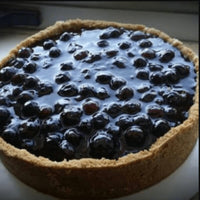
This extract is used to make our Tahitian Vanilla Cakes!

Great place to get your spices
SLO Food group is the best place I have found to buy my vanilla beans, great customer service, fast shipping and very competitive prices. Thank you for helping me with my project, Vanilla extract. Thank you don young


This is a carousel with one large image and a track of thumbnails below. Select any of the image buttons to change the main image above.
Vanilla Beans
Excellent Product! Excellent Service!
I'm a convert
I've been making my own vanilla extract for over a decade and used to buy my beans based on reviews at a Infamous Global seller. Was never sure what I would get. Then I found this company! The beans were beautiful! Fragrant, moist but not too moist, easy to cut open to expose the seeds and each Bean was six to seven inches long. I'm a happy extract maker! 💝💃🥳
High Quality Vanilla - excellent customer service.
Slo Food group team takes great care of their customers. Received a broken bottle of Vanilla and it was immediately handled. Received my replacement bottle within 3 days.
This extract is used to make our Tahitian Vanilla Cakes!
Great place to get your spices
SLO Food group is the best place I have found to buy my vanilla beans, great customer service, fast shipping and very competitive prices. Thank you for helping me with my project, Vanilla extract. Thank you don young
Premium Quality Fennel Seeds and Gourmet Spices At Slofoodgroup - Trusted by Chefs Worldwide

Grown for Elevated Anethole Content
Turkish fennel is prized for its naturally higher essential oil content, giving these seeds a more pronounced sweet, licorice-like flavor than fennel grown in less ideal climates.

Genuinely Versatile in Kitchens
From roasted vegetables and sausage to herbal tea and holiday baking, fennel earns its place as a true year-round pantry staple, not just a holiday spice.

Pure, Whole, and Unprocessed
No fillers, no additives, just whole fennel seeds, backed by our internal quality standards for every batch that leaves our facility. Recommend to toast before using for enhanced flavor

A Name Rooted in Ancient Greece
Fennel's legacy runs back thousands of years, even lending its name, indirectly, to the ancient Battle of Marathon and the modern race that followed.
Technical Specifications
| Origin | Turkey |
|---|---|
| Botanical Name | Foeniculum vulgare |
| Form | Whole Seeds (Technically a Schizocarp, a Dry Fruit That Splits Into Seeds When Ripe) |
| Certifications | Kosher (EarthKosher), GMP |
| Flavor Profile | Sweet, Licorice-Like, Warm, Slightly Grassy and Woodsy |
| Active Compound | Anethole (Also Found in Star Anise and Anise Seed) |
| Uses | Roasted Vegetables, Broths, Stews, Sausage, Bread, Desserts, Herbal Tea, Spice Blends, Marinades |
| Cultural Note | Traditionally Chewed Raw After Meals in Indian Cuisine as "Mukhwas" |
| Pairing | Star Anise, Anise Seed, Black Pepper, Cumin, Coriander |
| Storage | Airtight Container, Cool, Dry Place |
| Shelf Life | 18-24 Months |
| Packaging | Food-Grade Pouch or Bag; Box with Liner for Bulk Orders |
Turkish Fennel Seeds, Sweet, Aromatic, and Full of Flavor
Experience the sweet, aromatic flavor profile of our premium fennel seeds, harvested at peak freshness to deliver exceptional quality. Whether you're adding depth to savory dishes, baking artisan bread, or brewing a soothing tea, our fennel seeds are the perfect culinary companion. Fennel is a wonderful spice, used by itself or alongside other spices such as black pepper, star anise, cumin, or coriander.
What Is the Flavor Profile of Fennel Seed?
Fennel vs. Anise: What's the Difference?
Suggested Uses and How to Use Fennel Seeds
Our Turkish fennel seeds offer a naturally sweet, slightly licorice-like flavor with hints of warm spice. Their crisp texture and bright aroma make them a favorite in Mediterranean, Indian, and Middle Eastern cuisines. That licorice character comes from anethole, the same aromatic compound found in star anise and anise seed. Use fennel whole, ground, or slightly toasted, however you like it.
Fennel and anise are often confused for one another, and it's easy to see why, both carry that same distinctive licorice-like flavor from anethole. But they come from different plants entirely. Anise has a stronger, more pungent licorice taste, while fennel is milder, with a more grassy, slightly woodsy undertone underneath the sweetness. If a recipe specifically calls for one or the other, substituting can shift the final flavor more than you'd expect, they're related in character, but not identical.
Here are several ways to incorporate fennel seeds into your own cooking: toast lightly, crack, and sprinkle over roasted vegetables; infuse into broths, stews, and sauces; add to sausage, bread, and dessert recipes; brew into a calming herbal tea on its own or blended with other spices; or incorporate into spice blends and marinades. In Indian cuisine, a small pinch of raw fennel seeds is traditionally chewed after a meal as "mukhwas," a customary after-dinner mouth freshener, a simple, centuries-old tradition worth trying for yourself.
Why "Marathon" Owes Its Name to Fennel
Fennel's history runs deep, literally. The Greek word for fennel, marathon, is believed to be the origin of the name Marathon, the site of the famous ancient battle where a heavily outnumbered Athenian army defeated invading Persian forces, so named for the fields of fennel that grew there. It's a small but genuinely fascinating piece of etymology behind a spice most people only think of around the holidays or in an occasional sausage recipe.


Frequently Asked Questions
- Both share a licorice-like flavor from the same aromatic compound, anethole, but they come from different plants. Anise has a stronger, more pungent licorice taste, while fennel is milder with a more grassy, slightly woodsy undertone.
- Turkish fennel is known for its naturally higher essential oil content, giving it a more pronounced sweet, licorice-like flavor compared to fennel grown in less ideal climates.
- They aren't the same plant, but they do share anethole, the same aromatic compound responsible for their similar licorice-like flavor. Star anise, anise seed, and fennel are often used interchangeably in small amounts depending on the flavor profile a recipe calls for.
- Fennel seeds can be toasted and sprinkled over roasted vegetables, infused into broths and stews, added to sausage, bread, and dessert recipes, or brewed into a calming herbal tea. They're also traditionally chewed raw after meals in Indian cuisine as a mouth freshener called mukhwas.
- You can buy whole Turkish fennel seeds online in bulk or small quantities at Slofoodgroup.