


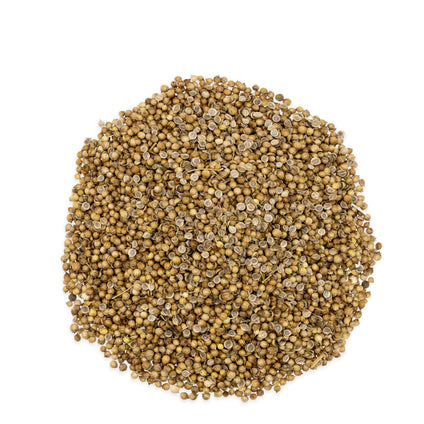
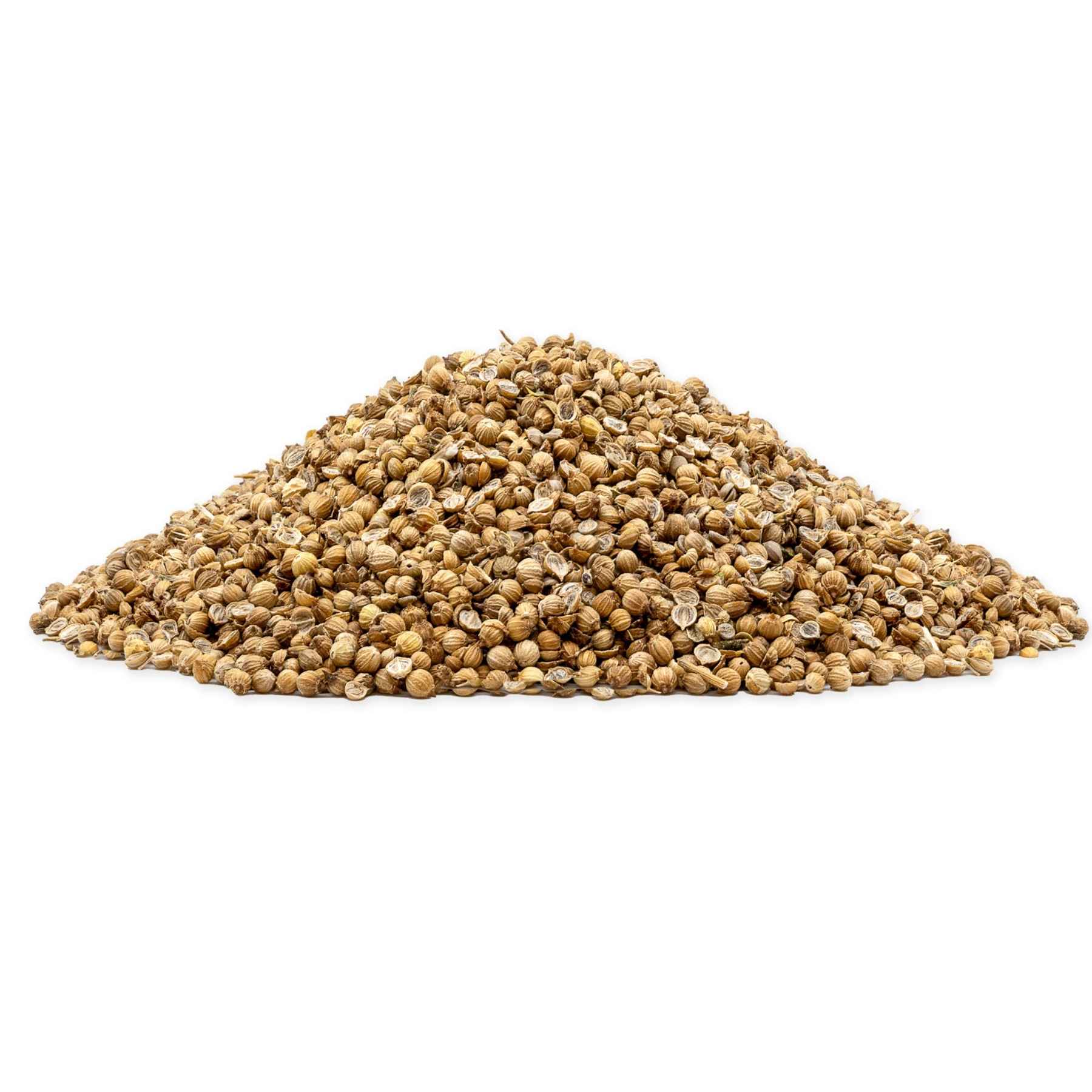
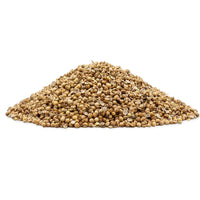
Premium Whole Coriander Seeds

Vanilla Beans
Excellent Product! Excellent Service!

I'm a convert
I've been making my own vanilla extract for over a decade and used to buy my beans based on reviews at a Infamous Global seller. Was never sure what I would get. Then I found this company! The beans were beautiful! Fragrant, moist but not too moist, easy to cut open to expose the seeds and each Bean was six to seven inches long. I'm a happy extract maker! 💝💃🥳
High Quality Vanilla - excellent customer service.
Slo Food group team takes great care of their customers. Received a broken bottle of Vanilla and it was immediately handled. Received my replacement bottle within 3 days.
This extract is used to make our Tahitian Vanilla Cakes!

Great place to get your spices
SLO Food group is the best place I have found to buy my vanilla beans, great customer service, fast shipping and very competitive prices. Thank you for helping me with my project, Vanilla extract. Thank you don young


This is a carousel with one large image and a track of thumbnails below. Select any of the image buttons to change the main image above.
Vanilla Beans
Excellent Product! Excellent Service!
I'm a convert
I've been making my own vanilla extract for over a decade and used to buy my beans based on reviews at a Infamous Global seller. Was never sure what I would get. Then I found this company! The beans were beautiful! Fragrant, moist but not too moist, easy to cut open to expose the seeds and each Bean was six to seven inches long. I'm a happy extract maker! 💝💃🥳
High Quality Vanilla - excellent customer service.
Slo Food group team takes great care of their customers. Received a broken bottle of Vanilla and it was immediately handled. Received my replacement bottle within 3 days.
This extract is used to make our Tahitian Vanilla Cakes!
Great place to get your spices
SLO Food group is the best place I have found to buy my vanilla beans, great customer service, fast shipping and very competitive prices. Thank you for helping me with my project, Vanilla extract. Thank you don young
Coriander: A Classic Among the World's Oldest Spices

Coriander Has Been Used For Over 5,000 Years
Coriander's culinary history stretches back millennia, making it one of the oldest recorded spices still in everyday kitchens today.

Whole Seed, Longer Freshness, Better Flavor
Toast and grind fresh for maximum flavor, ground coriander loses its aromatic punch far faster than the whole seed.

A Versatile Ingredient
From Mexican posole to Indian curries, garam masala, pickling brines, and even craft beer, few spices cross as many cuisines as coriander.

Pairs Well With Many Spices
Pairs beautifully with cumin, chili peppers, bay leaves, and citrus zest, a true building-block spice for countless blends.
Technical Specifications
| Origin | Egypt |
|---|---|
| Botanical Name | Coriandrum sativum |
| Common Names | Coriander Seed, Coriander |
| Form | Whole Seeds |
| Essential Oil Content | Approximately 0.3-0.8% by Weight |
| Certifications | Kosher (EarthKosher), GMP |
| Flavor Profile | Citrusy, Sweet, Tangy, Refreshing, Slightly Nutty When Toasted |
| Historical Note | In Continuous Use for Over 5,000 Years, One of the World's Oldest Recorded Spices |
| Uses | Curries, Marinades, Pickling, Spice Rubs, Chutneys, Salsas, Brewing, Garam Masala |
| Pairing | Cumin, Chili Peppers, Bay Leaves, Garlic, Nutmeg, Fennel, Citrus Zest |
| Preparation Tip | Toast Before Grinding for Maximum Flavor; Temper in Oil to Release Aromatic Oils |
| Storage | Airtight Container, Cool, Dry Place |
| Shelf Life | 24-36 Months |
| Packaging | Food-Grade Pouch or Bag; Box with Liner for Bulk Orders |
Coriander Seeds for Pickling, Curries, and More
Used in pickling, spice rubs, brines, curries, and more, you can buy coriander seed online right here in our shop. The refreshing citrus, mint, and sweet undertones of coriander liven up so many dishes it's a must-have kitchen staple. You can use it whole, toasted, ground fresh, or just about any way you like it.
What Is Coriander?
Most Common Uses for Coriander Seeds
Coriander vs. Cilantro
Coriander is the seed of cilantro. It comes from an annual herb in which all parts of the plant are edible, but most commonly only the leaves and the dried fruits (coriander seeds) are used in cooking and baking. It has been used in cuisines around the world for centuries, with archaeological evidence dating its use back over 5,000 years, making it one of the oldest recorded spices still in everyday use. It can be found growing in much of Asia, Europe, and Africa, and can be grown here in the US in USDA hardiness zones 2-11, roughly 50°F-85°F.
In its raw, whole form, coriander has a mild, citrusy aroma with subtle floral and earthy undertones, pleasant, but fairly understated compared to many other spices. Toasting changes that considerably: a light toast in a dry pan releases the seed's essential oils, transforming that mild citrus note into something warmer, nuttier, and noticeably more fragrant. Expect the aroma to shift from bright and lemony when raw to deep and toasty once heated, with the underlying citrus character still present, just layered under a new dimension of warmth.
More importantly perhaps than what coriander is, is how it's used in cooking. Coriander seeds and their use are well recorded in Latin American and Mexican cuisines, posole, enchiladas, and even commonly found in many Indian curry dishes. The seeds can be added whole to many dishes and simmered in things like soups or sauces, ideally added toward the beginning of cooking to give them time to soften and release their flavor. If you'd like to remove the whole seeds before serving, tie them in a muslin cloth or add them to a tea strainer for easy removal. They can also be lightly toasted in a pan or oven, then ground fresh and added directly to a dish, rub, soup, or sauce to really bring out the flavor, or tempered briefly in warm oil to release their natural aromatic oils before the rest of a dish is built on top.
Often toasted before grinding or used in pickling to bring out its flavor, coriander is most commonly used in soups, spice rubs, curries, garam masala, and meats like beef, lamb, chicken, and more. Coriander goes great with other spices like bay leaves, cumin, chili peppers, garlic, nutmeg, fennel, orange, lemon, and even lime zest.
Coriander and cilantro come from the exact same plant, Coriandrum sativum, they're just different parts of it. Cilantro refers to the fresh leaves and stems, with their bright, herbaceous, almost soapy flavor that some people love and others can't stand. Coriander refers to the dried seeds, which taste nothing like the leaves, warm, citrusy, and nutty rather than green and herbaceous. If a recipe calls for coriander and you only have fresh cilantro on hand (or vice versa), they aren't good substitutes for each other, the flavors are simply too different.
Buy Bulk Coriander Seeds Online
Whether you need a small jar for your spice rack or bulk coriander seeds for a restaurant, brewery, or commercial kitchen, Slofoodgroup has you covered. Coriander is one of the few spices that shows up in nearly every major culinary tradition, Mexican posole, Indian curries and garam masala, Middle Eastern spice blends, Mediterranean cooking, and craft brewing, all draw on the same small seed. That kind of staying power across thousands of years and dozens of cultures isn't an accident, coriander's balance of citrus, warmth, and subtle sweetness makes it genuinely easy to pair with almost anything. Buy whole coriander seeds online today and keep a true pantry staple on hand, not a specialty ingredient reserved for just one type of cooking.


