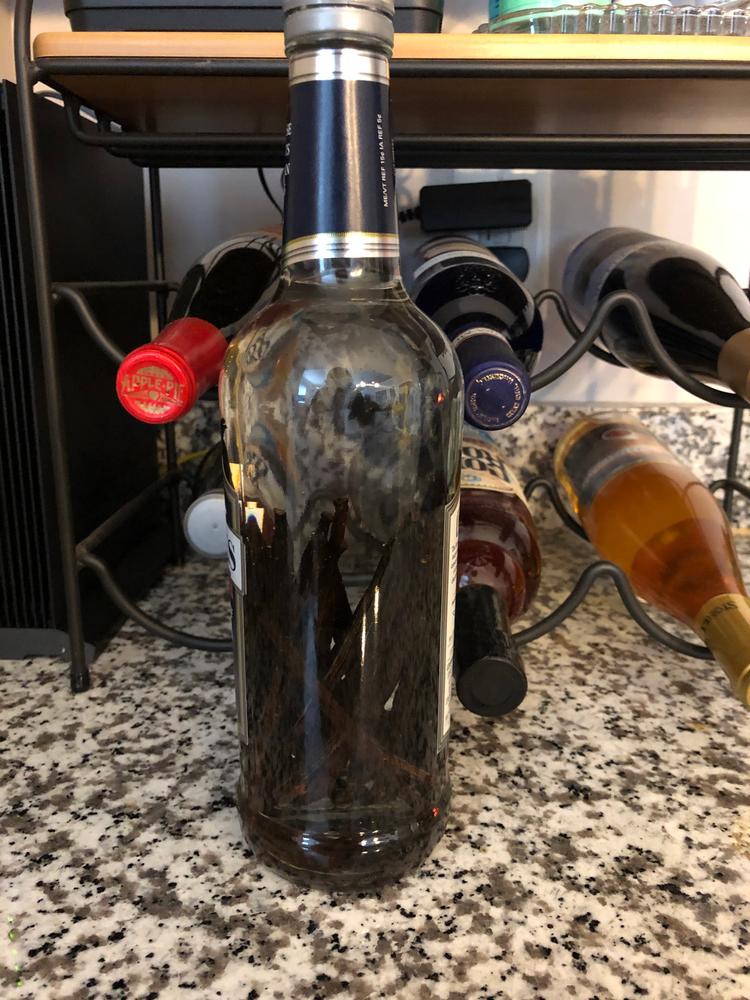
Grade A Vanilla Beans from Papua New Guinea
Gousses de vanille de Tahiti en vrac de PNG
Current price: Dhs. 112.00

Vanilla Beans
Excellent Product! Excellent Service!

I'm a convert
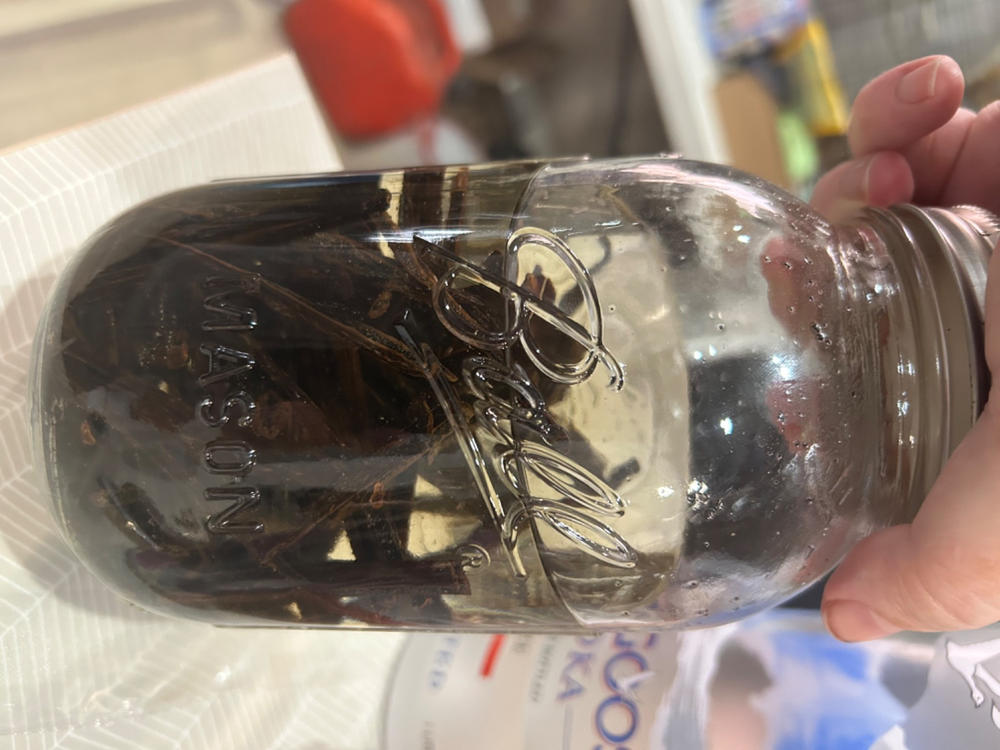
I've been making my own vanilla extract for over a decade and used to buy my beans based on reviews at a Infamous Global seller. Was never sure what I would get. Then I found this company! The beans were beautiful! Fragrant, moist but not too moist, easy to cut open to expose the seeds and each Bean was six to seven inches long. I'm a happy extract maker! 💝💃🥳
High Quality Vanilla - excellent customer service.
Slo Food group team takes great care of their customers. Received a broken bottle of Vanilla and it was immediately handled. Received my replacement bottle within 3 days.
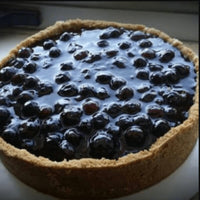
This extract is used to make our Tahitian Vanilla Cakes!

Great place to get your spices
SLO Food group is the best place I have found to buy my vanilla beans, great customer service, fast shipping and very competitive prices. Thank you for helping me with my project, Vanilla extract. Thank you don young



This is a carousel with one large image and a track of thumbnails below. Select any of the image buttons to change the main image above.
Vanilla Beans
Excellent Product! Excellent Service!
I'm a convert
I've been making my own vanilla extract for over a decade and used to buy my beans based on reviews at a Infamous Global seller. Was never sure what I would get. Then I found this company! The beans were beautiful! Fragrant, moist but not too moist, easy to cut open to expose the seeds and each Bean was six to seven inches long. I'm a happy extract maker! 💝💃🥳
High Quality Vanilla - excellent customer service.
Slo Food group team takes great care of their customers. Received a broken bottle of Vanilla and it was immediately handled. Received my replacement bottle within 3 days.
This extract is used to make our Tahitian Vanilla Cakes!
Great place to get your spices
SLO Food group is the best place I have found to buy my vanilla beans, great customer service, fast shipping and very competitive prices. Thank you for helping me with my project, Vanilla extract. Thank you don young
How to Make Vanilla Extract
An easy to follow guide to making vanilla extract in your own kitchen
Technical Specifications
| Origin | Papua New Guinea |
|---|---|
| Species | Vanilla tahitensis ("PNG Tahitian" / Tahitian-Type) |
| Also Known As | Tahitian Vanilla, PNG Tahiti Beans, Tahitian-Type Vanilla, PNG Tahitensis |
| Grade | Gourmet, Grade A, Prime, Black |
| Size | Avg 4.5-5 Inches (14-15 cm) and Up |
| Moisture Content | 25-30% |
| Count Per Pound | Approximately 120-130 Beans (Average Size); Actual Count May Vary With Bean Length |
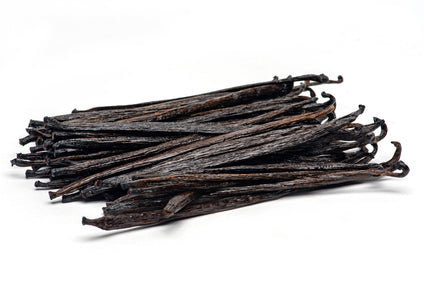
| Color/Appearance | Dark, Thick Outer Pod, Oily and Plump |
| Certifications | Kosher, GMP |
| Aroma | Oak, Chocolate, Cherry, Red Wine, Floral |
| Flavor Profile | Floral, Fruity, Delicate, Soft Vanillin Punch |
| Tasting Notes | Oak, Cherry, Chocolate, Red Wine |
| Uses | Pure Vanilla Extract, Baking, Cold Preparations, Gelato, Chocolate, Ice Cream, Desserts, Perfumery |
| Pairing | Crème Brûlée, Custards, Whipped Cream, Fruit-Based Desserts |
| Best For | Heat-Stable Applications, Value-Conscious Tahitensis Buyers |
| Packaging | Vacuum-Sealed, Food-Grade |
Buy Tahitian Vanilla Beans That Are Bold and Flavorful from Papua New Guinea
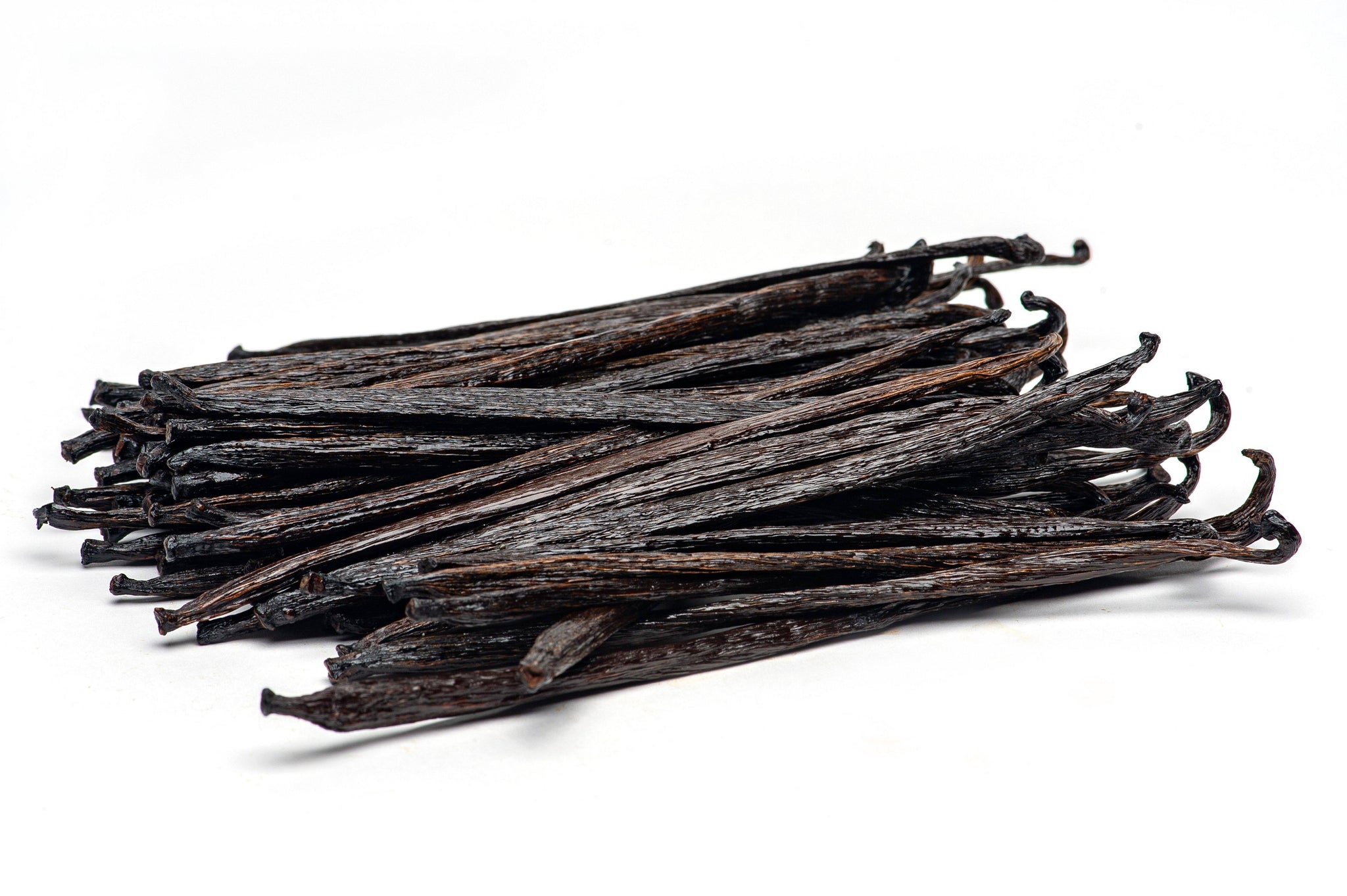
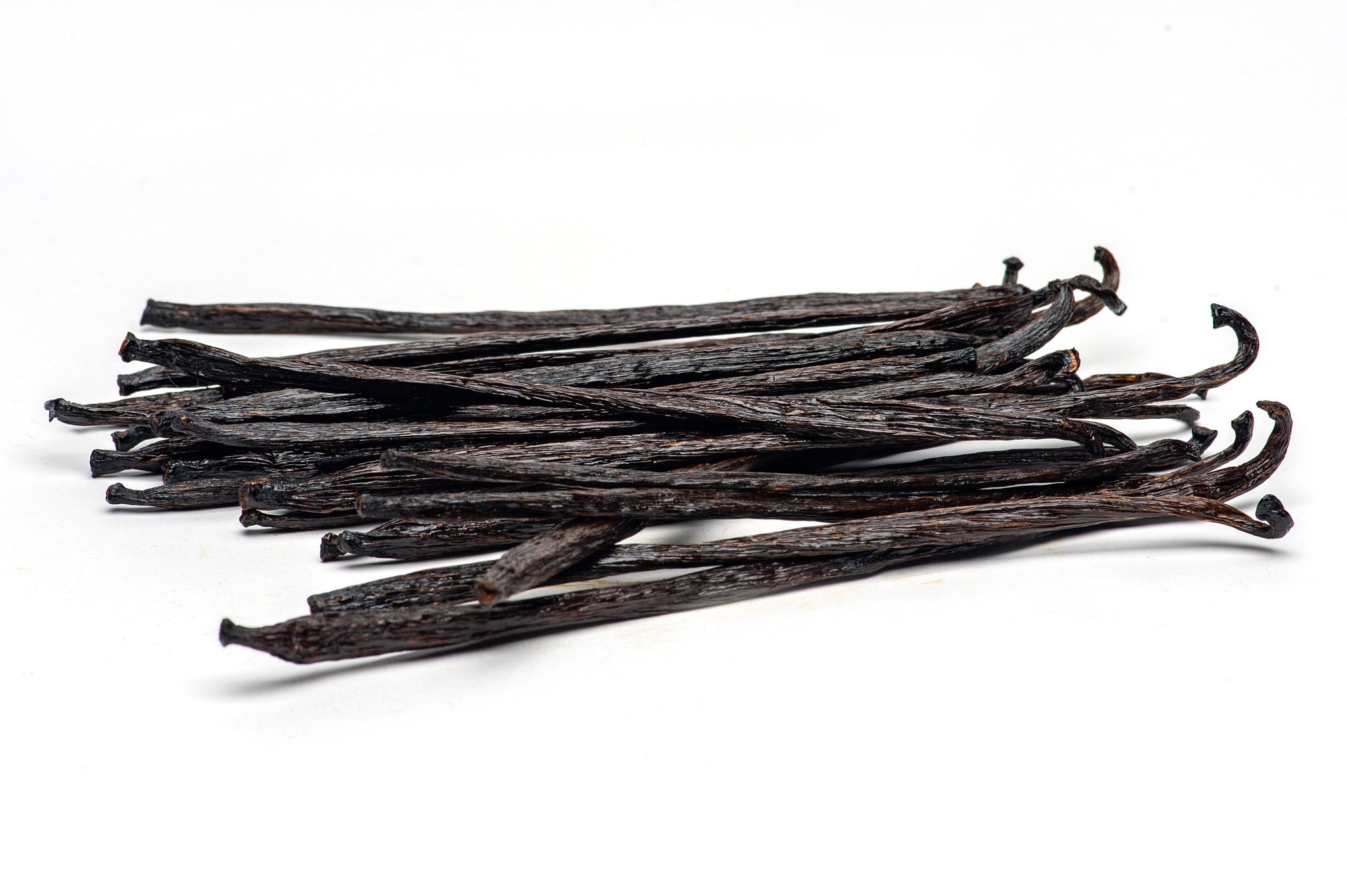
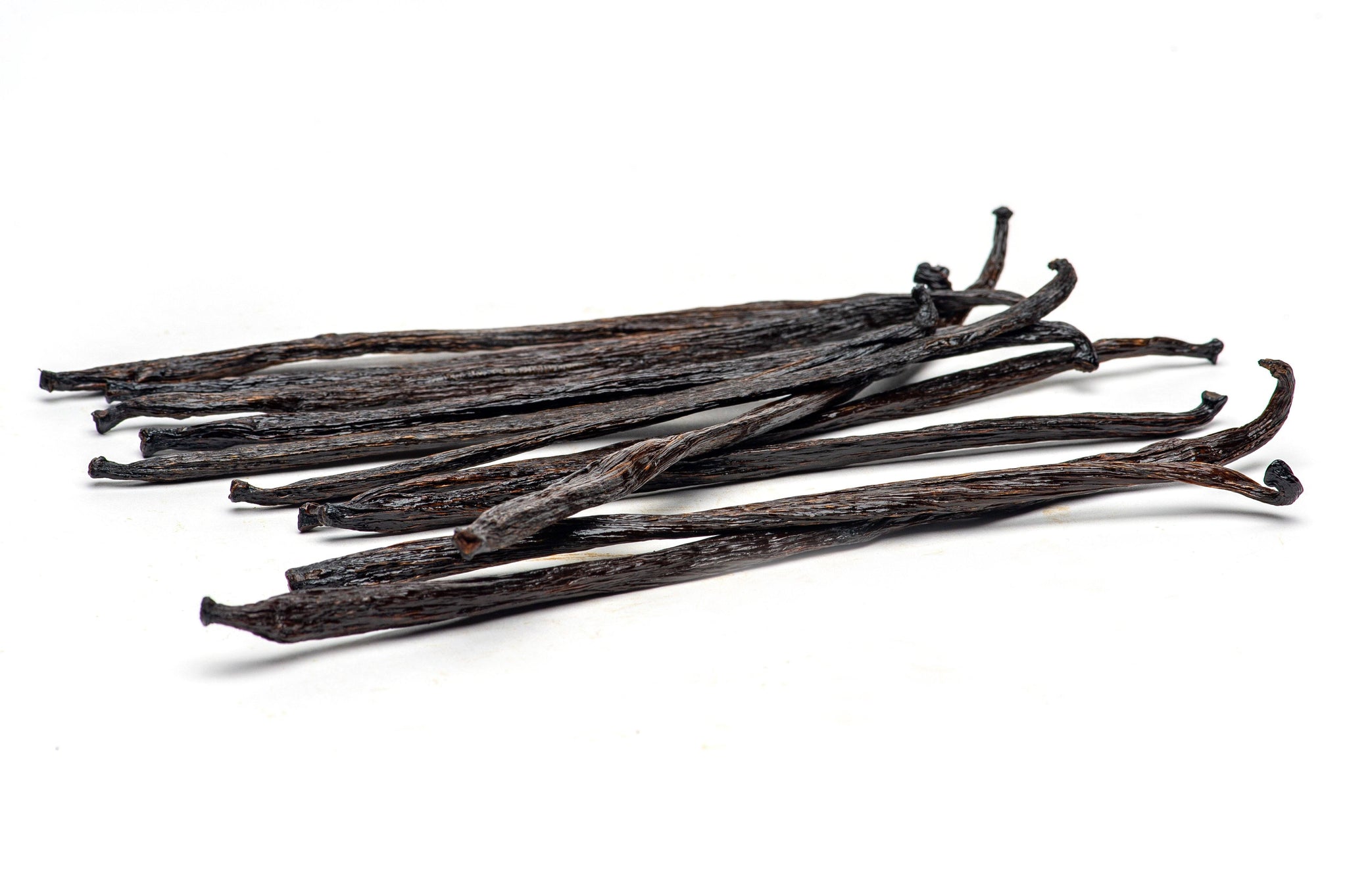
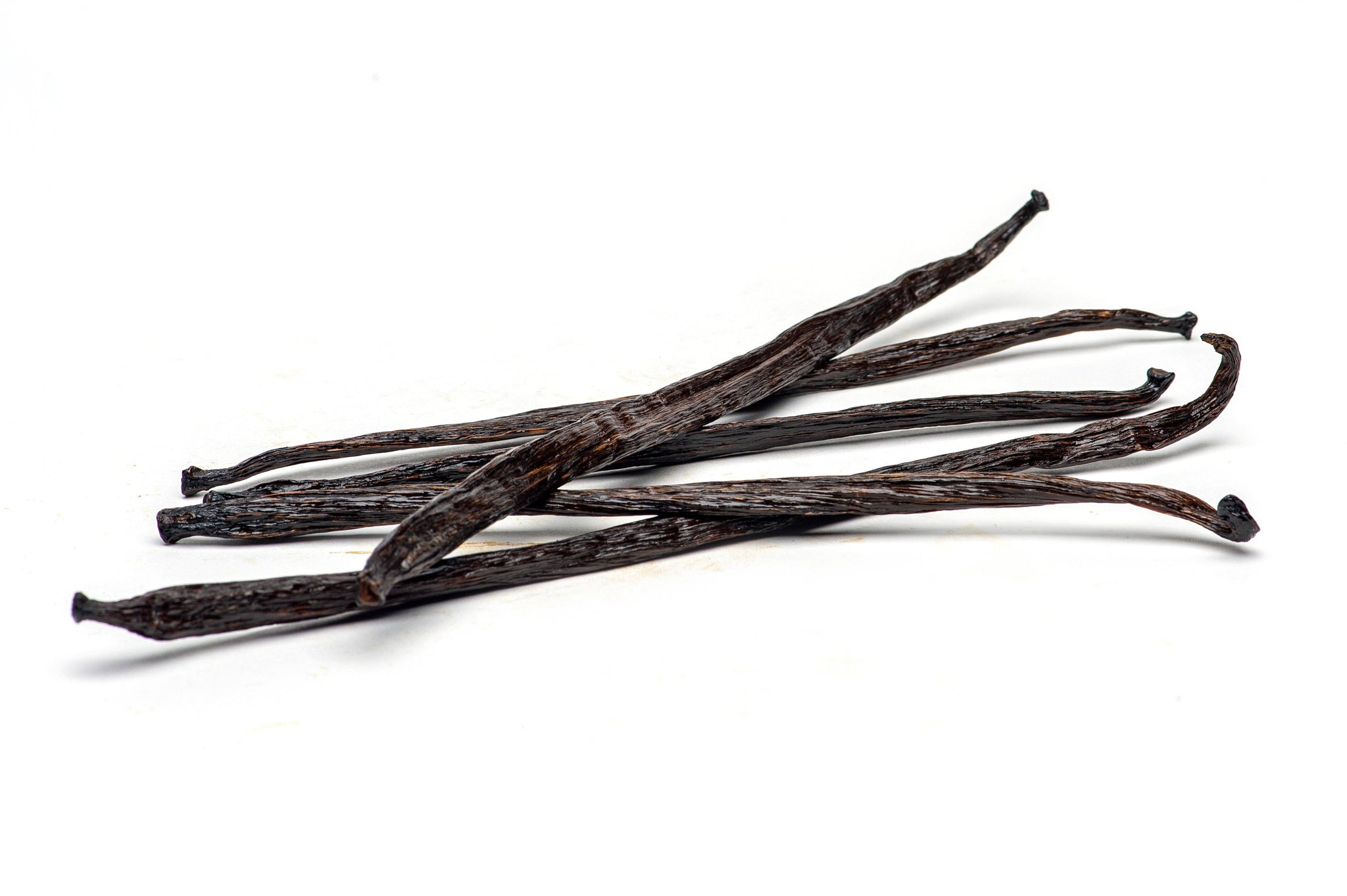
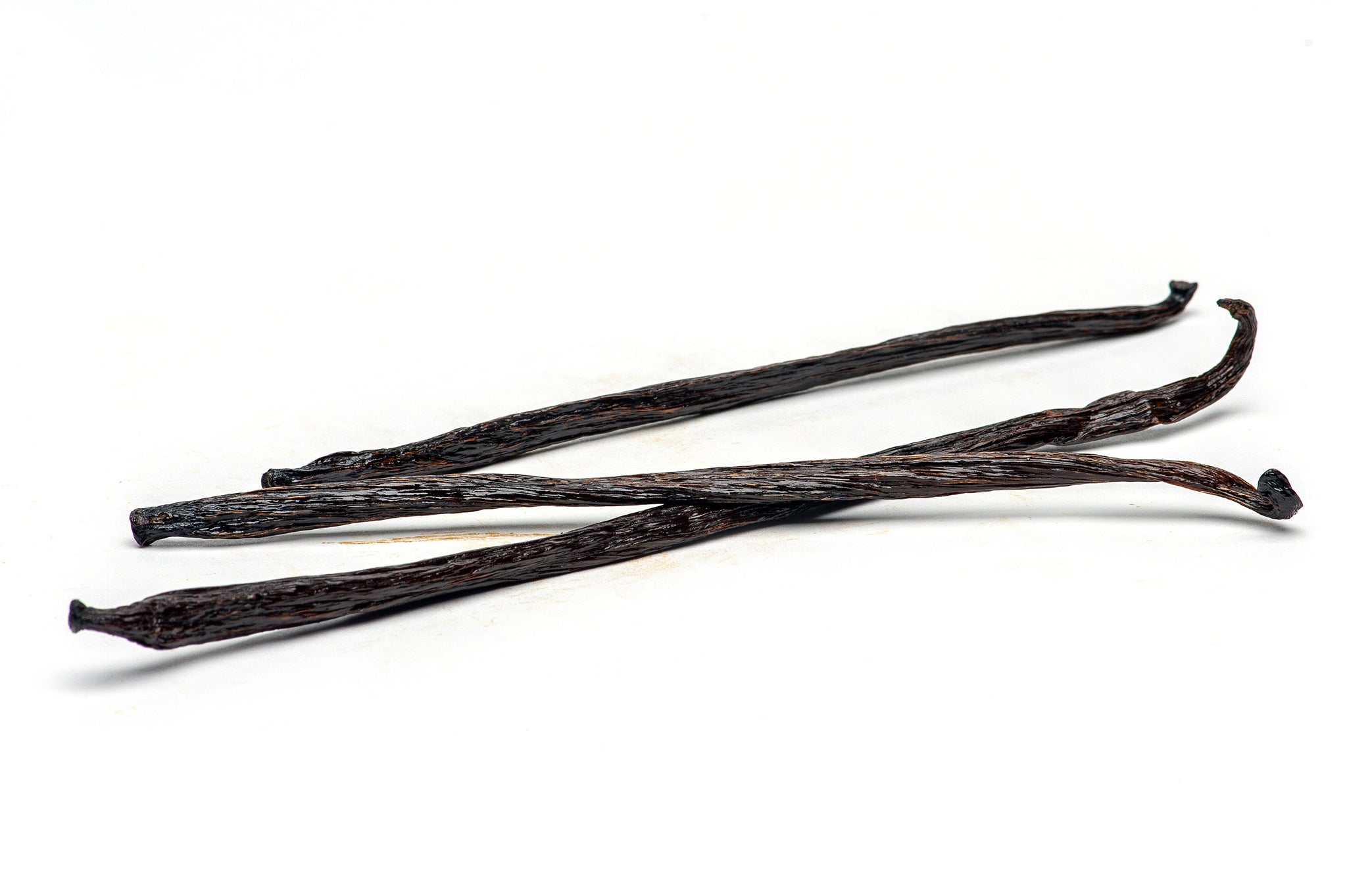
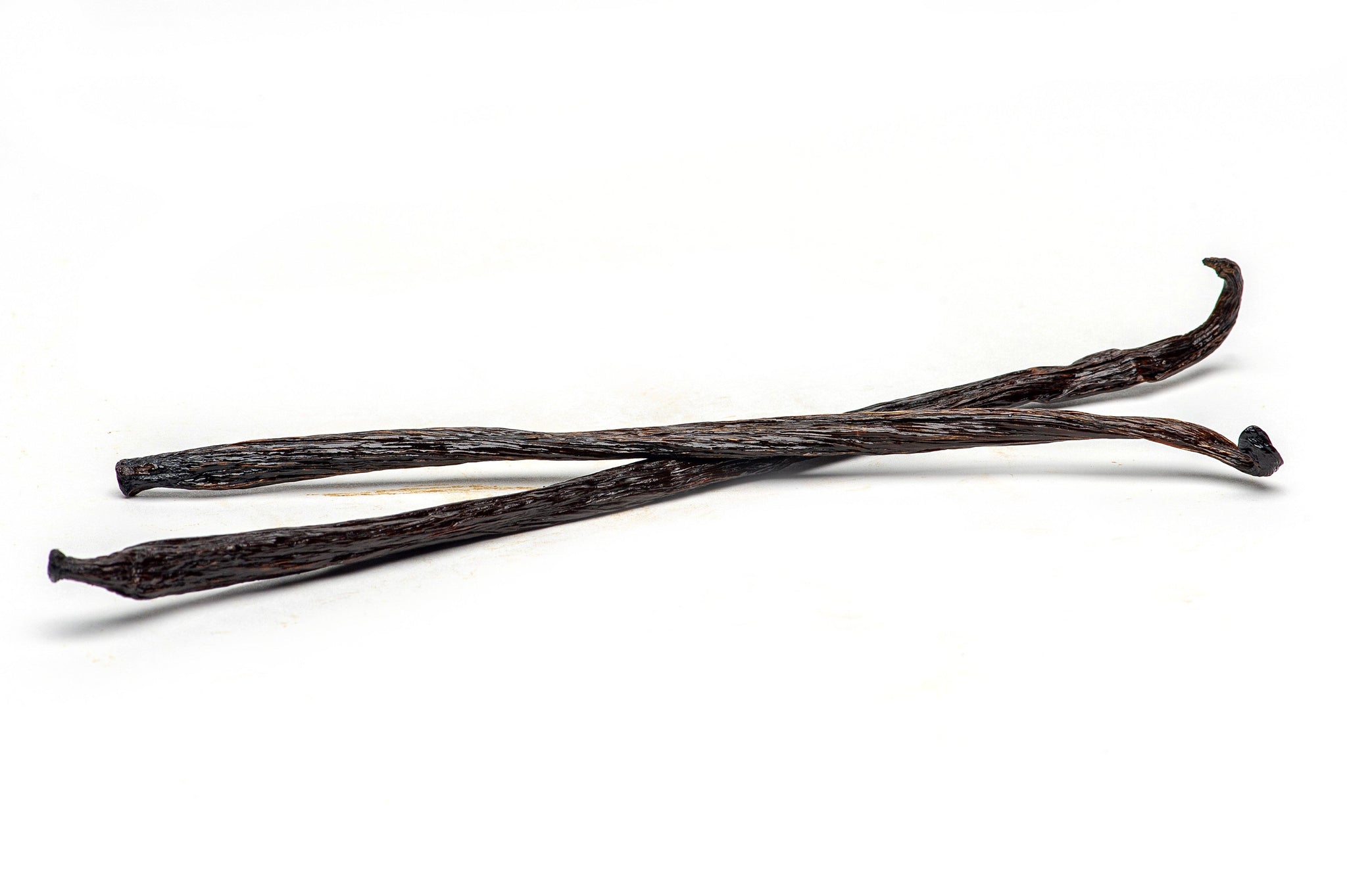
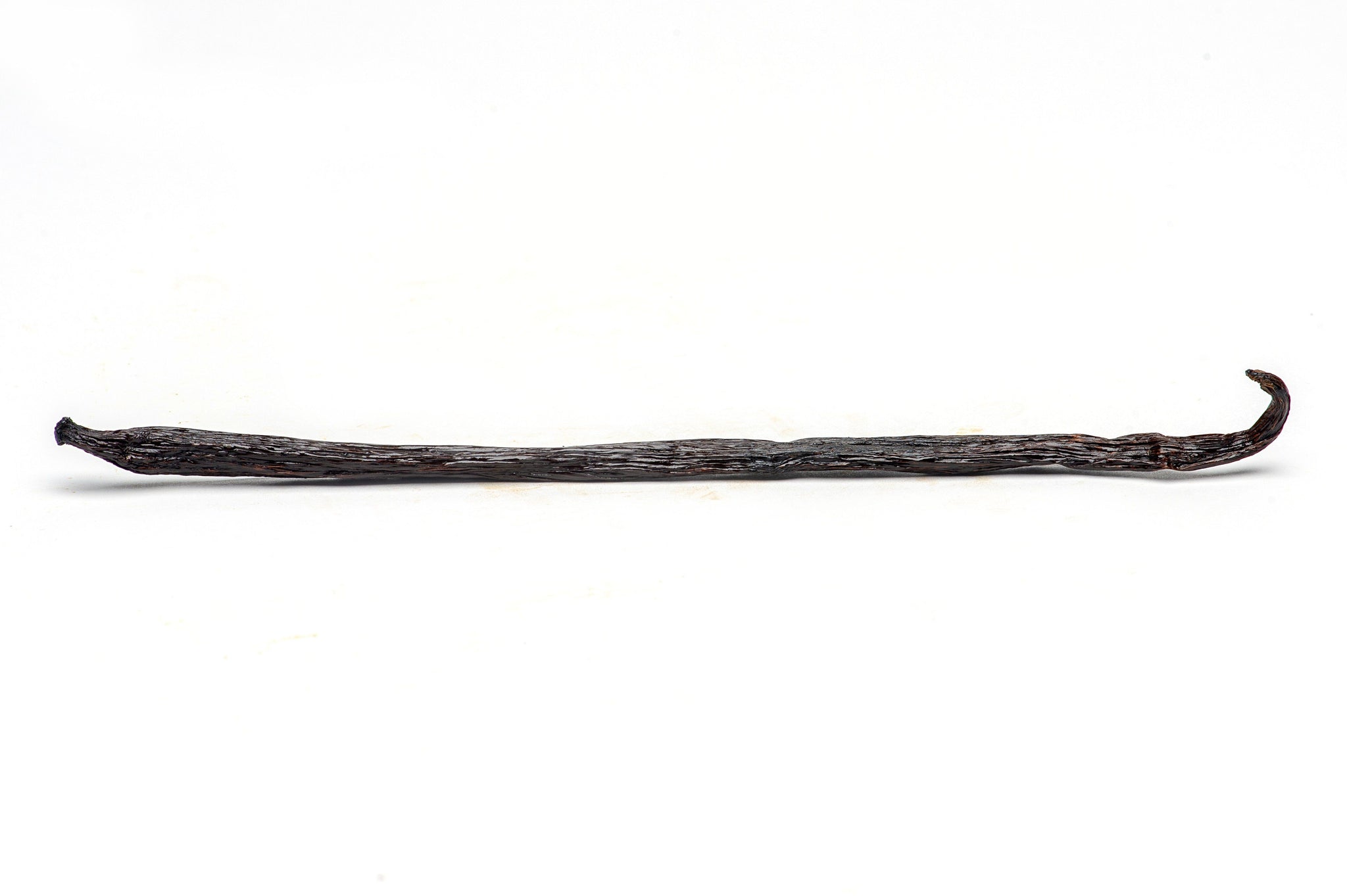
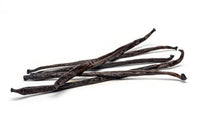
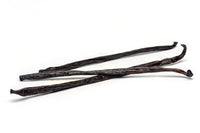
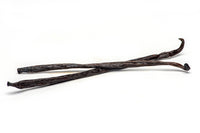
Papua New Guinea Vanilla Tahitensis, also called PNG Tahiti beans, is revered by chefs around the world. This vanilla is an up-and-coming varietal that is plump, oily, and pungent. These gourmet beans from Papua New Guinea are gorgeous, darker than the average bean, with a thick, black outer pod encasing vanilla caviar (vanilla seeds).
The flavor is reminiscent of oak and cherry, with a soft, delicate vanillin punch. In several tests, the flavor was found to hold up exceptionally well in baked goods and applications involving high heat. Love crème brûlée? Try these beans in this recipe.
This vanilla is a wonderful option for those who don't want to splurge on vanilla from Tahiti. Want to learn more about how Papua New Guinea became a leading producer of this species? Read the full story on Tahitian vanilla from Papua New Guinea.
Are these vanilla beans the same as buying vanilla from Tahiti? No, not exactly, the flavor is different, and the beans are not as plump, but they are cheaper. We also offer whole ground Tahitian vanilla. If you're looking for other vanilla alternatives, our extract grade selection of vanillas is available.
So why choose Tahitian vanilla beans from Papua New Guinea? These vanilla beans smell great, with full-bodied floral and stone fruit aromas shining through from these expertly prepared pods.
Looking for Bourbon Vanilla from Papua New Guinea? You can find it here. Looking for Tahitian vanilla from another region? You can find it here.
Experience the Flavor of Grade A Vanilla from Papua New Guinea
Uses for Papua New Guinea Vanilla Tahitensis
How Papua New Guinea Became a Leading Vanilla Producer
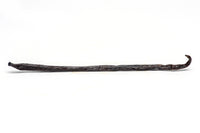
Each bean is typically at least 14-15 cm (4.5-5 inches) in length, with a moisture content of around 25-30%, giving them a plump, oily texture. There are approximately 120-130 beans per pound on average. Buying Tahitian vanilla from Papua New Guinea also means supporting the small farms and villages where it's cultivated. These vanilla Tahitensis beans have been certified kosher by EarthKosher, and like all Slofoodgroup vanilla, they're non-GMO, vegan, gluten free, and all natural.
The aroma carries notes of oak, chocolate, cherry, and red wine, a fragrance that's sure to please.
These beans are wonderfully versatile, ideal for pure vanilla extract, baking, cold preparations, gelato, chocolate, ice cream, desserts, and even perfumery. Try our Grade A vanilla beans from Papua New Guinea in your own recipes, you may never look at vanilla bean ice cream, or any other "gourmet" vanilla, the same way again.
Tahitian vanilla was first brought to Papua New Guinea as an agricultural experiment in the 1960s, but the effort was largely abandoned soon after. It wasn't revived until the mid-1990s, when Allan Bird reintroduced vanilla cultivation in the East Sepik province, laying the groundwork for what has since grown into one of the world's most significant sources of Vanilla tahitensis. Today, PNG accounts for roughly 10% of global vanilla supply, with the overwhelming majority of its plantings specifically dedicated to the Tahitensis species rather than the more common Bourbon (Planifolia) variety grown in Madagascar. Want the full story? Read more on Tahitian vanilla from Papua New Guinea.
Why PNG Vanilla Tastes Different from True Tahiti Vanilla
Though PNG Tahitensis and true Tahiti-grown vanilla share the exact same species, Vanilla tahitensis, they're cured in genuinely different ways, and that difference shapes their flavor. Vanilla grown on Tahiti is traditionally sun-dried on the vine, a slower process that preserves a purer, more delicate floral and anise character. PNG Tahitensis, by contrast, is cured using hot-water scalding, the same traditional method used for Bourbon-style vanilla, which produces a wilder, more musky, and complex profile. Neither approach is better, they're simply different expressions of the same species, shaped by regional tradition rather than quality.
You may also like


Frequently Asked Questions
- No, not exactly, but they are closely related. Both are the same species, Vanilla tahitensis, which originated in Tahiti. However, only a small amount of vanilla is actually grown on the island of Tahiti today; most Vanilla tahitensis sold commercially is grown in Papua New Guinea, which has become one of the primary producers of this species worldwide. We carry PNG Tahitensis vanilla as well as Vanilla tahitensis from true Tahiti and Ecuador, so you can choose the origin that best fits your needs and budget. Within the vanilla industry, 'Tahitian vanilla' is commonly used as a species name (referring to Vanilla tahitensis) rather than strictly a place-of-origin claim, similar to how 'Bourbon vanilla' refers to the Vanilla planifolia species rather than literally the Bourbon Islands. We use the term in that same industry-standard sense. PNG-grown tahitensis shares the same floral, fruity, cherry-and-anise flavor profile as true Tahiti-grown beans, though the pods tend to be smaller and less plump, making them a more accessible price point for the same species.
- They come from different vanilla species entirely. Madagascar vanilla (Vanilla planifolia) has a rich, creamy, warm flavor with caramel and cocoa notes, and is the classic choice for baking and traditional extract. PNG Tahitensis vanilla (Vanilla tahitensis) has a lighter, more delicate flavor with floral, fruity notes of cherry, anise, and oak. Tahitensis is generally better suited to cold applications like custards, ice cream, and whipped cream, since its floral aromatics are more heat-sensitive than planifolia's flavor compounds.
- Our PNG Tahitensis beans measure at least 4.5-5 inches (14-15 cm) in length, with a moisture content of approximately 25-30%, giving them a plump, oily texture typical of gourmet Grade A vanilla. There are approximately 120-130 beans per pound on average, though actual count can vary depending on bean length within a given batch. Each bean is Kosher certified, non-GMO, vegan, gluten free, and all natural.
- These beans perform exceptionally well in both cold and heated applications, including pure vanilla extract, baking, gelato, chocolate, and desserts like crème brûlée. Testing has shown the flavor holds up well even in high-heat baking, which isn't always true of Tahitian-type vanilla, making these beans more versatile than many other tahitensis-type beans.
- PNG Tahitensis vanilla offers the distinctive floral, fruity flavor profile of the Tahitensis species at a significantly lower price point than true Tahiti-grown vanilla, while also supporting the small farms and villages in Papua New Guinea where it is cultivated. It's an excellent choice for bakers and extract-makers who want the Tahitian flavor profile without the premium cost of true Tahiti vanilla, or who want an alternative to the more common Madagascar Bourbon flavor.