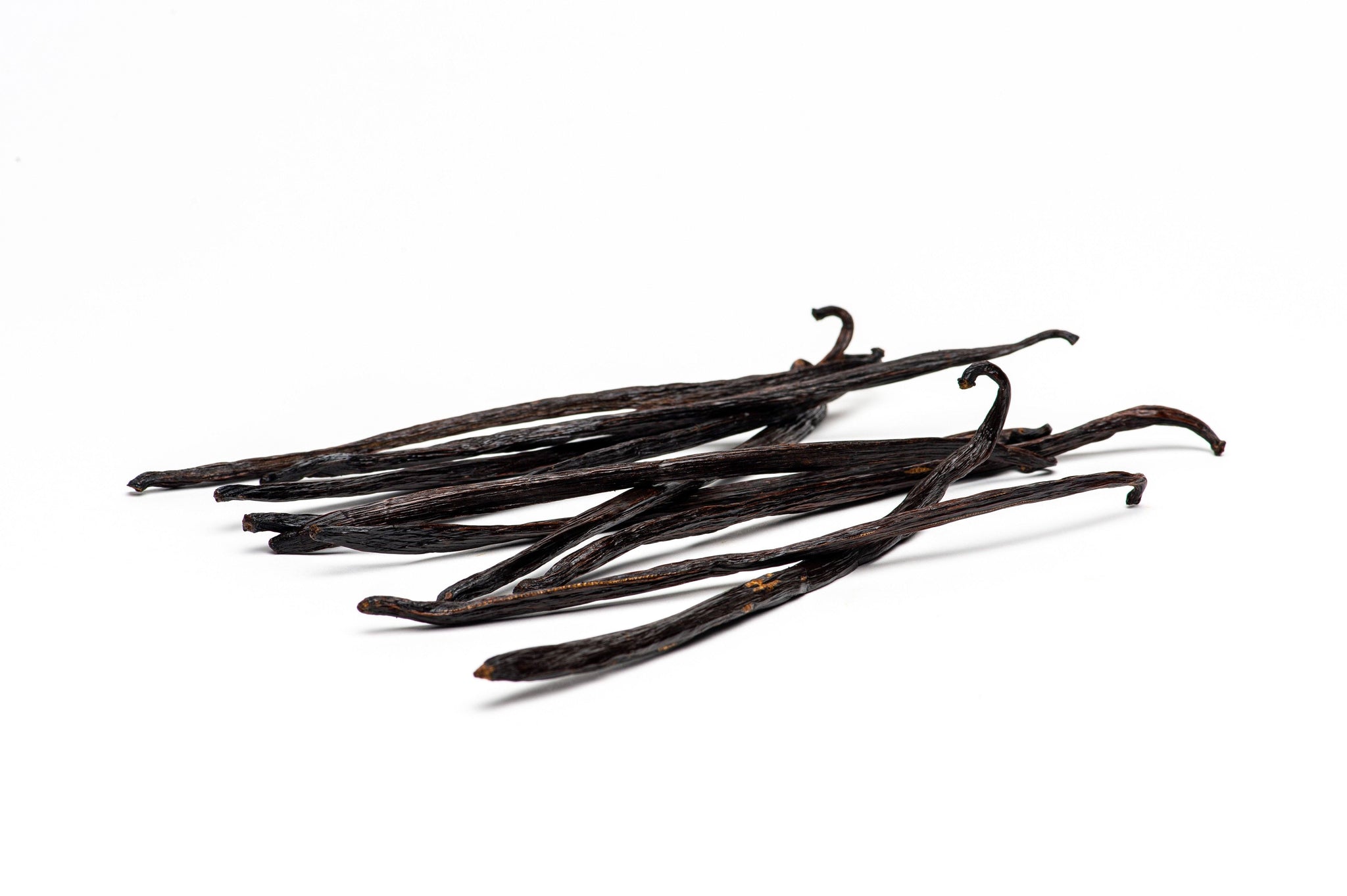
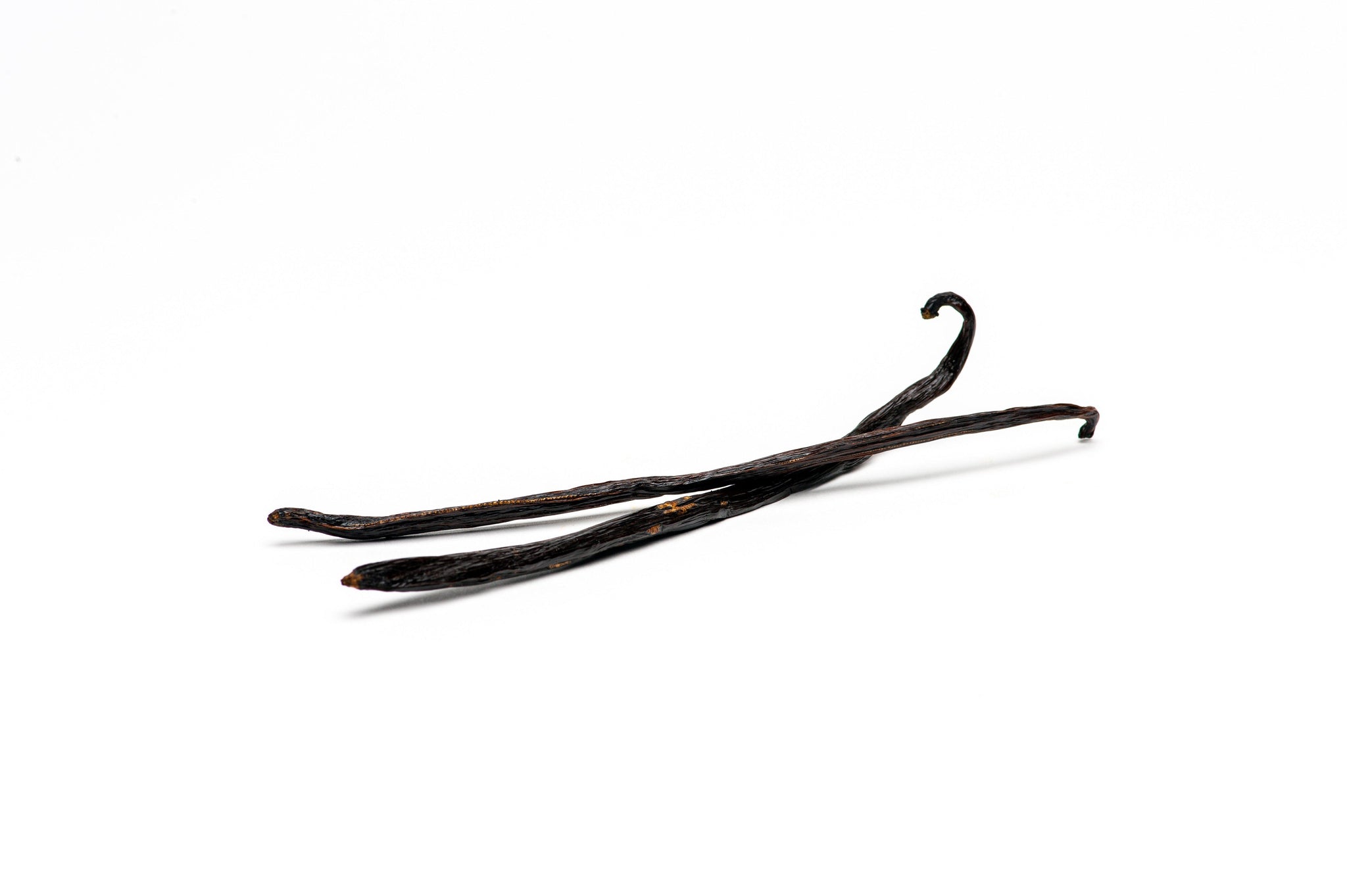
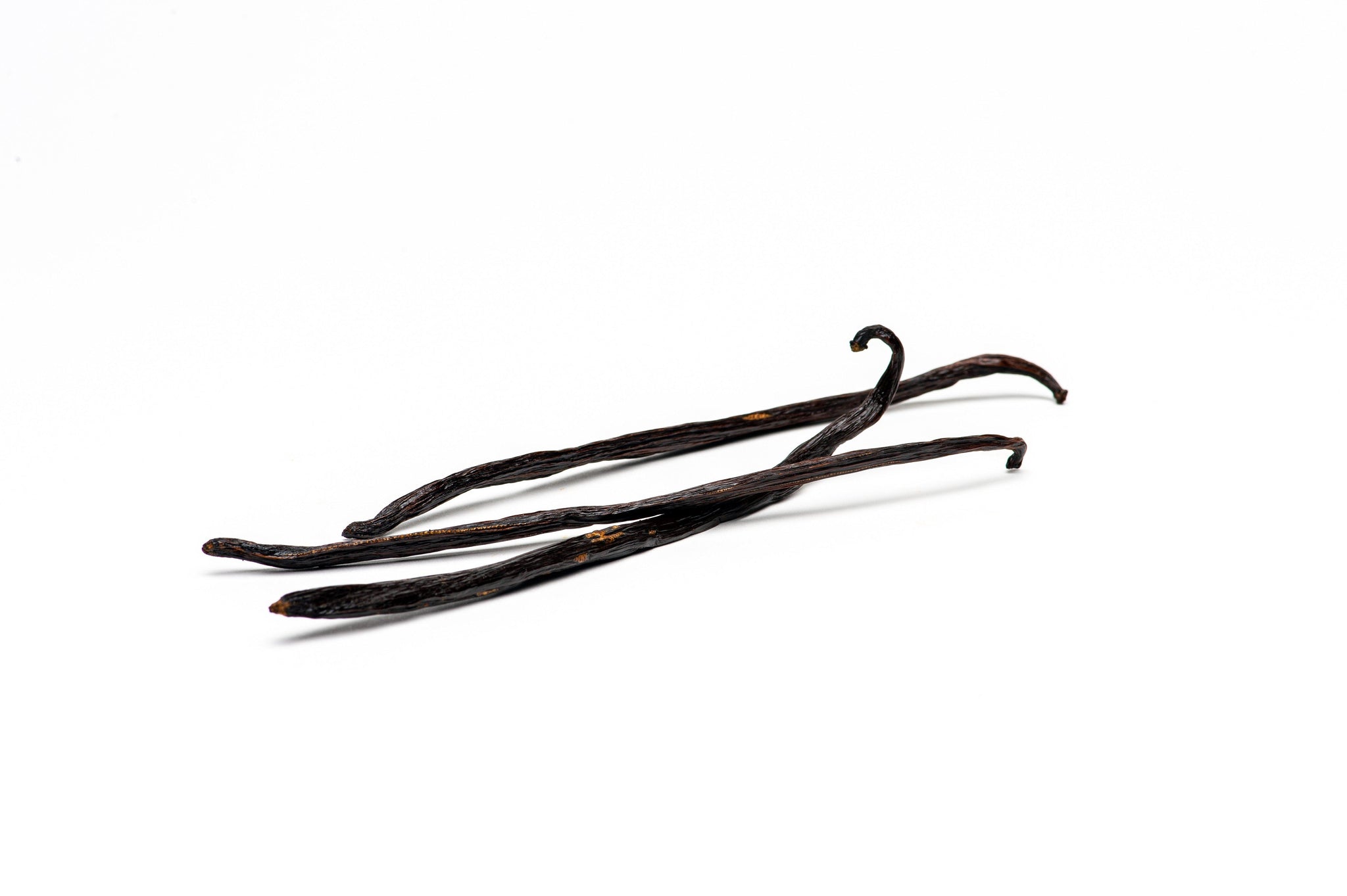
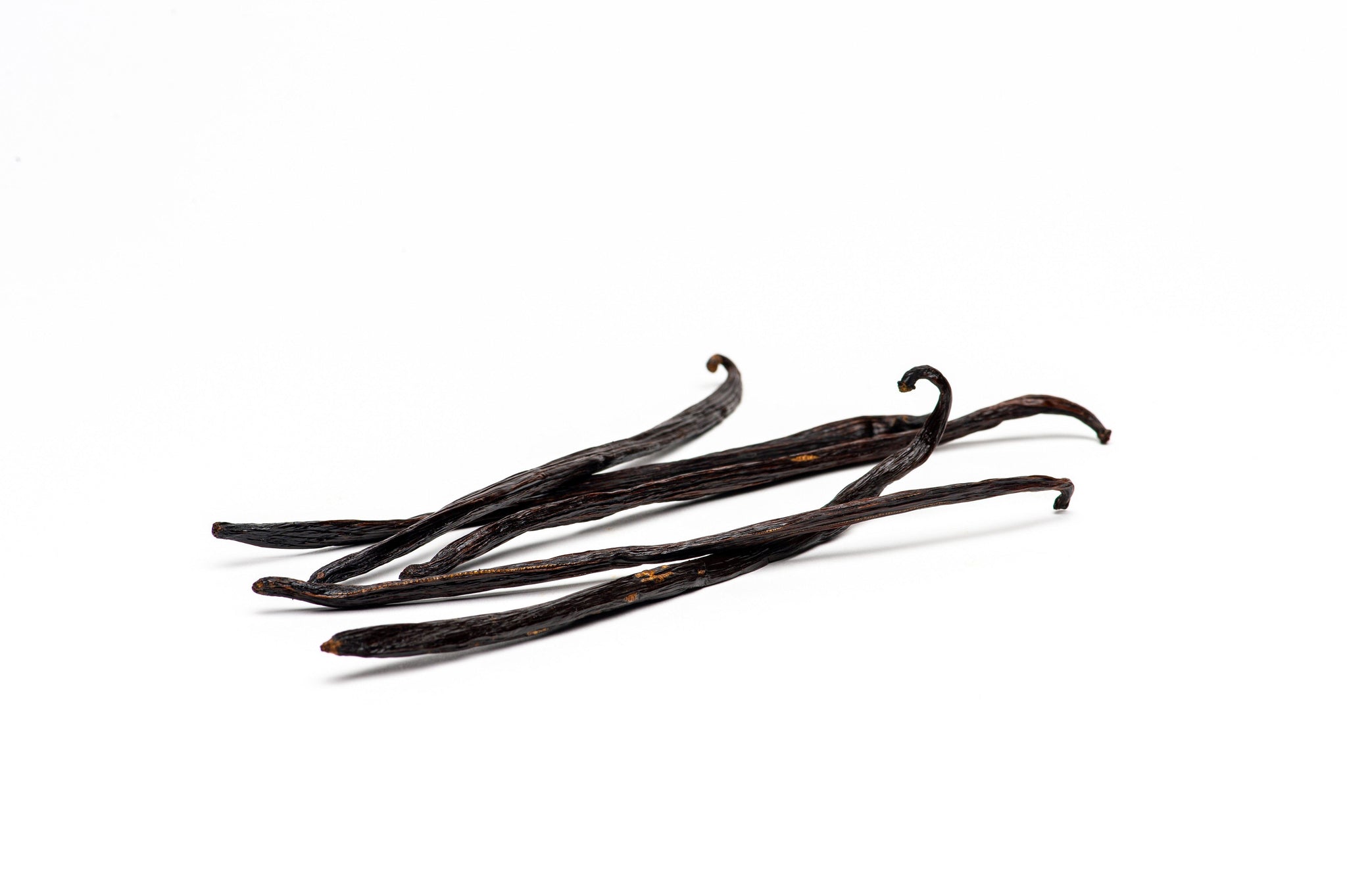
Granos de vainilla gourmet de Sri Lanka, Planifolia
Granos de vainilla de Ceilán

Vanilla Beans
Excellent Product! Excellent Service!

I'm a convert
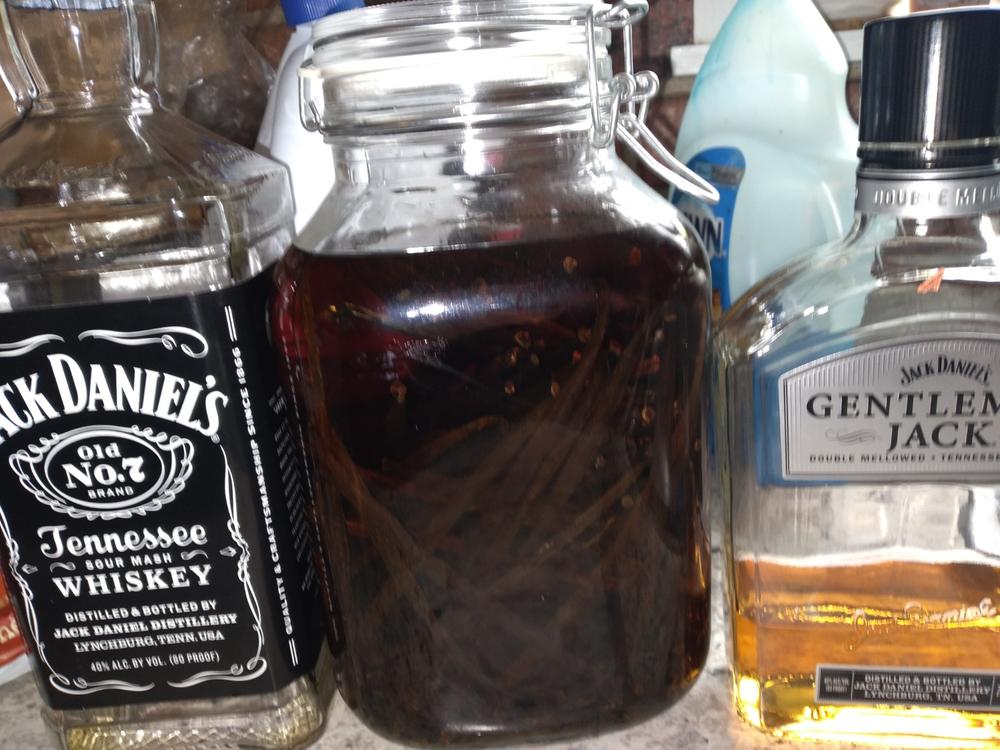
I've been making my own vanilla extract for over a decade and used to buy my beans based on reviews at a Infamous Global seller. Was never sure what I would get. Then I found this company! The beans were beautiful! Fragrant, moist but not too moist, easy to cut open to expose the seeds and each Bean was six to seven inches long. I'm a happy extract maker! 💝💃🥳
High Quality Vanilla - excellent customer service.
Slo Food group team takes great care of their customers. Received a broken bottle of Vanilla and it was immediately handled. Received my replacement bottle within 3 days.
This extract is used to make our Tahitian Vanilla Cakes!

Great place to get your spices
SLO Food group is the best place I have found to buy my vanilla beans, great customer service, fast shipping and very competitive prices. Thank you for helping me with my project, Vanilla extract. Thank you don young




This is a carousel with one large image and a track of thumbnails below. Select any of the image buttons to change the main image above.
Vanilla Beans
Excellent Product! Excellent Service!
I'm a convert
I've been making my own vanilla extract for over a decade and used to buy my beans based on reviews at a Infamous Global seller. Was never sure what I would get. Then I found this company! The beans were beautiful! Fragrant, moist but not too moist, easy to cut open to expose the seeds and each Bean was six to seven inches long. I'm a happy extract maker! 💝💃🥳
High Quality Vanilla - excellent customer service.
Slo Food group team takes great care of their customers. Received a broken bottle of Vanilla and it was immediately handled. Received my replacement bottle within 3 days.
This extract is used to make our Tahitian Vanilla Cakes!
Great place to get your spices
SLO Food group is the best place I have found to buy my vanilla beans, great customer service, fast shipping and very competitive prices. Thank you for helping me with my project, Vanilla extract. Thank you don young
How to Make Vanilla Extract
An easy to follow guide to making vanilla extract in your own kitchen
Ceylon's Rare Vanilla Tradition

A Rare Specialty Crop
Vanilla has grown in Sri Lanka since 1880, but large-scale cultivation is genuinely recent, spurred by the global vanilla price crisis of the mid-2010s that made it a worthwhile crop for local farmers to invest in.

Classic Bourbon Flavor, Distinct Terroir
The same species grown in Madagascar, but Sri Lanka's higher-altitude climate and volcanic soil give these beans their own smooth, silky character with subtle floral and spice undertones.

Soft, Pliable, Seed-Rich Pods
With 30-35% moisture content, these beans are easy to split and packed with vanilla seeds, ideal for extract-making, baking, and infusions.

Grown Among Ceylon's Finest
Cultivated in the same Kandy region famous for Sri Lanka's world-renowned tea and true Ceylon cinnamon, a genuine reflection of the island's rich spice-growing heritage.
Technical Specifications
| Origin | Sri Lanka (Kandy Region) |
|---|---|
| Species | Vanilla planifolia |
| Also Known As | Ceylon Vanilla, Sri Lankan Vanilla |
| Grade | Gourmet, Grade A, Prime, Black |
| Size | 14 cm and Up |
| Moisture Content | 30-35% |
| Color/Appearance | Brown to Black Pod Color, Pliable |
| Certifications | Kosher (EarthKosher), GMP |
| Flavor Profile | Classic Bourbon Vanilla, Rich, Smooth, Silky Chocolate, Slight Hint of Spices |
| Tasting Notes | Sweet, Earthy, Subtle Floral and Dried Fruit Undertones |
| Uses | Baking, Vanilla Extract, Vanilla Sugar, Coconut Desserts, Cream and Chocolate Applications |
| Storage Tip | Once Extract Has Fully Steeped and Pods Are Strained Out, Toss the Still-Wet Chopped Pods in Sugar to Capture Remaining Flavor |
| Shelf Life | 24-36 Months |
| Packaging | Food-Grade Barrier-Film Vacuum Bag |
Grade A Sri Lankan Vanilla Beans, Vanilla Planifolia
Grown in valleys amongst tea plantations and rainforest in Sri Lanka's Kandy region, an island historically known as Ceylon, these premium vanilla beans are a rare and prized specialty crop. Though vanilla vines have grown on the island since the late 1800s, large-scale commercial cultivation is a genuinely recent development, spurred by the global vanilla price crisis of the mid-2010s, when supply shortages elsewhere sent prices soaring and made vanilla a suddenly worthwhile crop for Sri Lankan farmers to invest in. Vanilla planifolia is the vanilla orchid of choice for cultivation in Sri Lanka and other Indian Ocean vanilla producing countries, the same species behind our Madagascar and Ugandan vanilla beans. The vanilla vines grow high into the trees if not properly maintained and must be constantly cared for, pollinated, and hand-picked at just the right time of maturity.
A Well-Balanced Flavor for Baking and Extract
Supporting Sri Lanka's Growing Vanilla Industry
Explore More Single-Origin Vanilla
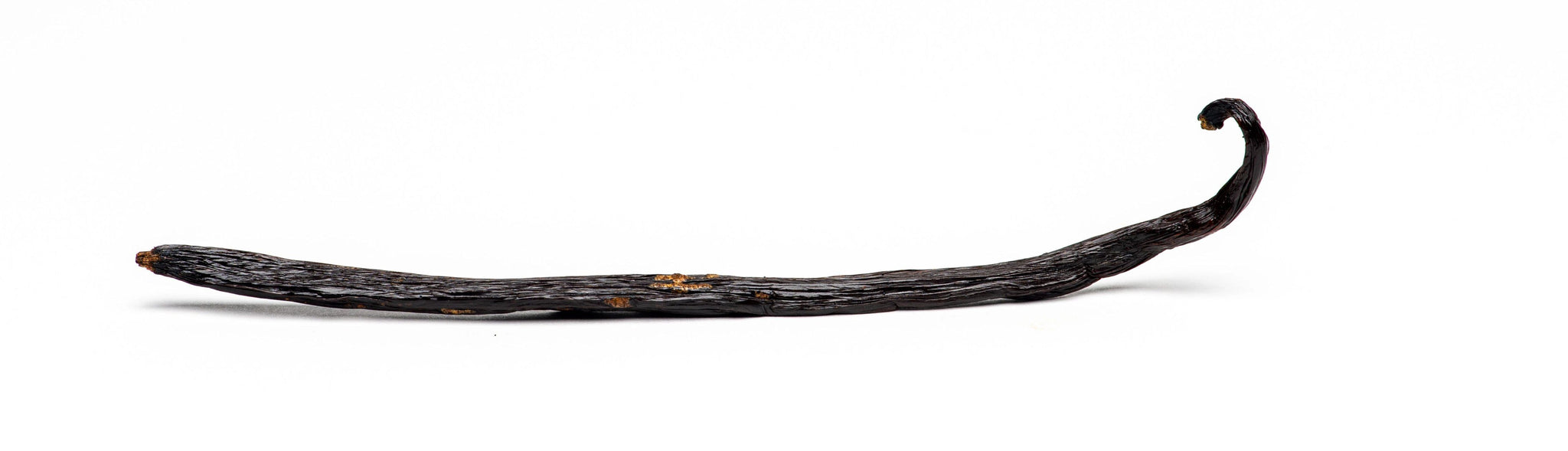
These vanilla beans are 14 cm and up, with a moisture content of 30-35%. The vanilla pod itself is soft and pliable, easy to split, and contains a generous amount of vanilla seeds. The seeds have a familiar Bourbon vanilla flavor profile, with a rich, smooth, silky chocolate character and a slight hint of spice, alongside sweet, earthy, and subtly floral undertones, a standout classic for making vanilla extract. If you're making extract, once it has fully steeped and you've strained the pods out, toss the still-wet chopped pieces into a jar of sugar to capture any remaining flavor rather than letting it go to waste. For a full walkthrough, see our guide to making vanilla extract.
Vanilla farming in Sri Lanka is still largely made up of small-scale and home-garden growers rather than large commercial plantations, a direct result of how recently the crop became commercially viable on the island. Buying Sri Lankan vanilla directly supports these smaller growers as the industry continues to develop, helping fund the infrastructure, training, and investment needed to grow the country's vanilla sector further. For a crop this labor-intensive, hand-pollinated, hand-harvested, and hand-cured, every purchase makes a meaningful difference to the farmers behind it.
Curious how Sri Lankan vanilla compares to other origins? Try our Madagascar vanilla for the classic, creamy sweetness most people expect, or our Ugandan vanilla for a bolder, earthier take on the same species. If you're an extract maker looking to build a more complex, layered flavor, blending beans from two or three origins is a great way to experiment. You can also browse our full collection of vanilla beans to find the origin that fits your kitchen best.
How to Split and Scrape a Vanilla Bean
To get the most flavor from a whole vanilla bean, lay the pod flat on a cutting board and use a sharp paring knife to slice it lengthwise down the center, cutting just through the outer skin without cutting all the way through the pod. Open the bean like a book, then use the dull edge of the knife blade to scrape out the tiny black seeds, often called vanilla caviar, packed inside. These seeds carry the most concentrated flavor and are what give scraped-vanilla desserts like crème brûlée and vanilla bean ice cream their signature specks. Don't discard the scraped pod itself, it still holds plenty of flavor and can be used to infuse cream, milk, sugar, or homemade extract. For a visual walkthrough, watch our video on how to scrape and clean a vanilla bean.


Frequently Asked Questions
- Vanilla has grown in Sri Lanka since 1880, but large-scale commercial cultivation is a genuinely recent development, driven by the global vanilla price crisis of the mid-2010s that made it a worthwhile crop for local farmers to invest in. Farming remains largely small-scale and home-garden based rather than large commercial plantations, making Sri Lankan vanilla a genuinely limited-production origin.
- Both are the same species, Vanilla planifolia, so the difference comes down to terroir. Sri Lanka's higher-altitude climate and volcanic soil produce beans with a smooth, silky, chocolate character and subtle floral and spice undertones, distinct from the classic sweet, creamy profile of Madagascar vanilla, though both share the same familiar Bourbon vanilla flavor at their core.
- These vanilla beans measure 14 cm and up, with a moisture content of 30-35%. The pods are soft, pliable, and easy to split, with a generous amount of vanilla seeds inside. All beans are Kosher certified and GMP certified.
- Lay the pod flat and slice it lengthwise with a sharp paring knife, cutting just through the outer skin without cutting all the way through. Open the pod and use the dull edge of the knife to scrape out the seeds, often called vanilla caviar. The scraped pod still holds flavor and can be used to infuse cream, milk, sugar, or homemade extract.
- Yes. Sri Lanka's vanilla industry is still largely made up of small-scale and home-garden growers rather than large plantations. Purchasing Sri Lankan vanilla directly supports these growers as the country's vanilla sector continues to develop.