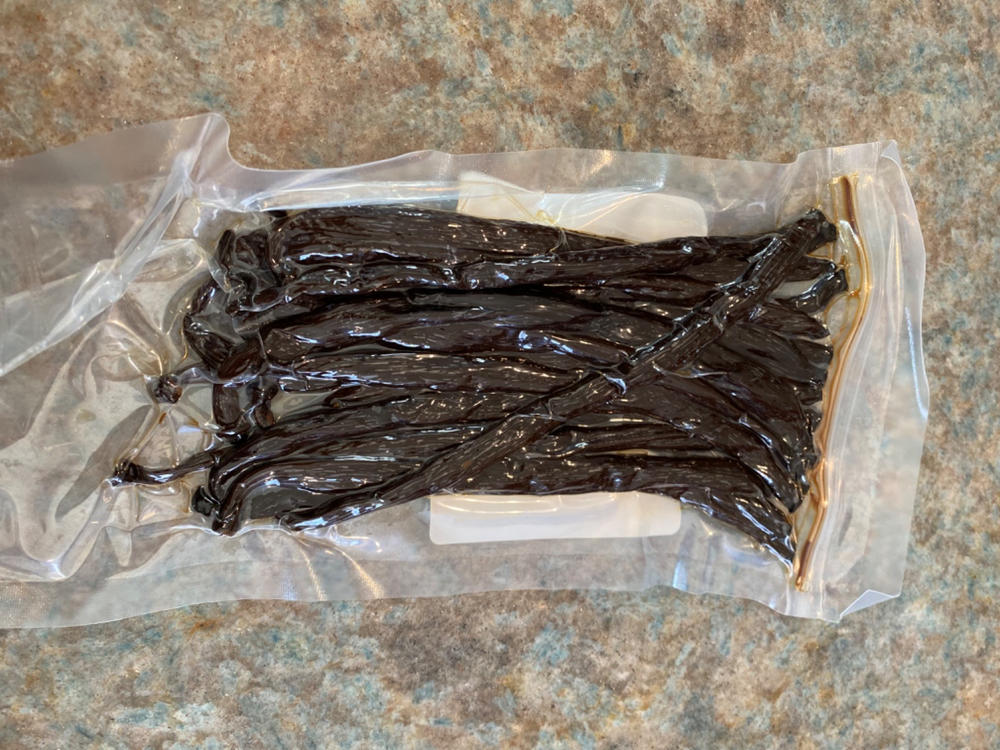
Gourmet Costa Rican Pompona Hybrid Vanilla Beans
Sustainably sourced vanilla beans from the rainforest of Costa Rica
Current price: $ 422.00

Vanilla Beans
Excellent Product! Excellent Service!

I'm a convert
I've been making my own vanilla extract for over a decade and used to buy my beans based on reviews at a Infamous Global seller. Was never sure what I would get. Then I found this company! The beans were beautiful! Fragrant, moist but not too moist, easy to cut open to expose the seeds and each Bean was six to seven inches long. I'm a happy extract maker! 💝💃🥳
High Quality Vanilla - excellent customer service.
Slo Food group team takes great care of their customers. Received a broken bottle of Vanilla and it was immediately handled. Received my replacement bottle within 3 days.
This extract is used to make our Tahitian Vanilla Cakes!

Great place to get your spices
SLO Food group is the best place I have found to buy my vanilla beans, great customer service, fast shipping and very competitive prices. Thank you for helping me with my project, Vanilla extract. Thank you don young


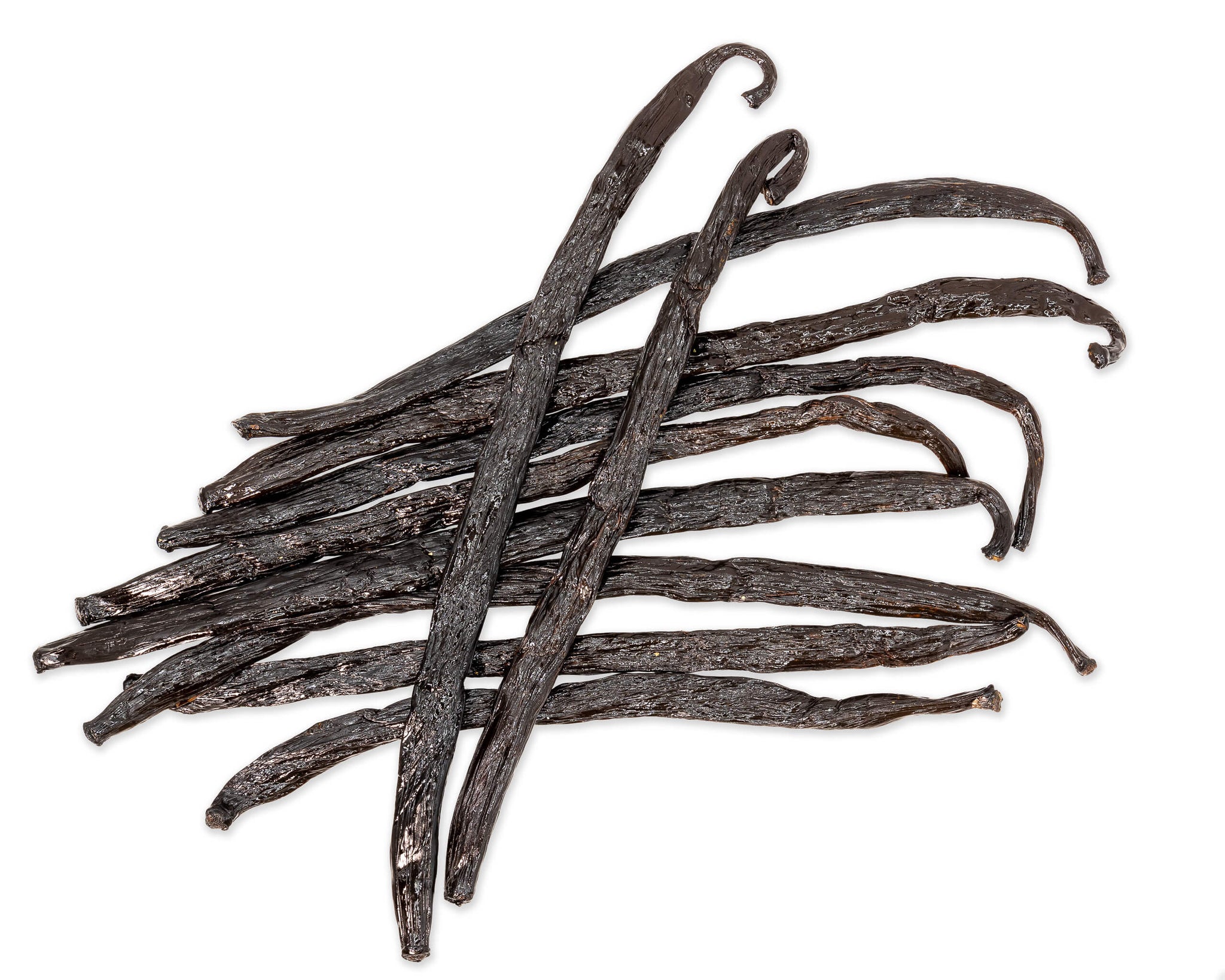


This is a carousel with one large image and a track of thumbnails below. Select any of the image buttons to change the main image above.
Vanilla Beans
Excellent Product! Excellent Service!
I'm a convert
I've been making my own vanilla extract for over a decade and used to buy my beans based on reviews at a Infamous Global seller. Was never sure what I would get. Then I found this company! The beans were beautiful! Fragrant, moist but not too moist, easy to cut open to expose the seeds and each Bean was six to seven inches long. I'm a happy extract maker! 💝💃🥳
High Quality Vanilla - excellent customer service.
Slo Food group team takes great care of their customers. Received a broken bottle of Vanilla and it was immediately handled. Received my replacement bottle within 3 days.
This extract is used to make our Tahitian Vanilla Cakes!
Great place to get your spices
SLO Food group is the best place I have found to buy my vanilla beans, great customer service, fast shipping and very competitive prices. Thank you for helping me with my project, Vanilla extract. Thank you don young
How to Make Vanilla Extract
An easy to follow guide to making vanilla extract in your own kitchen
A Vanilla With a Real Story

Genetically Confirmed Rarity
DNA-tested and matched to a documented Madagascar breeding program, this isn't marketing language, it's peer-reviewed science behind a genuinely rare vanilla variety.

Bred for Resilience
Developed specifically to resist Fusariosis, a disease that devastated global vanilla production, this hybrid represents decades of agricultural breeding work.

Complexity, Not Just Concentration
Lower vanillin doesn't mean less flavor, it means a different aromatic composition entirely, with notes of chocolate, raisin, and date shaped by dozens of flavor compounds beyond vanillin alone.

World Leader, Little Known
Costa Rica leads global cultivation of this hybrid, yet it remains almost unknown outside the region, a true hidden-gem vanilla.
Technical Specifications
| Origin | Costa Rica |
|---|---|
| Species | Hybrid: Vanilla planifolia × Vanilla pompona ("Tsy taitra" / "El Híbrido") |
| Genetic Background | Approximately 75% Vanilla planifolia, 25% Vanilla pompona (Confirmed via DNA Sequencing, Grisoni & Nany 2021) |
| Historical Origin | Bred in Madagascar for Fusariosis Disease Resistance; Introduced to Costa Rica as "Vaitsy" and Propagated at the Polytechnic University of San Carlos |
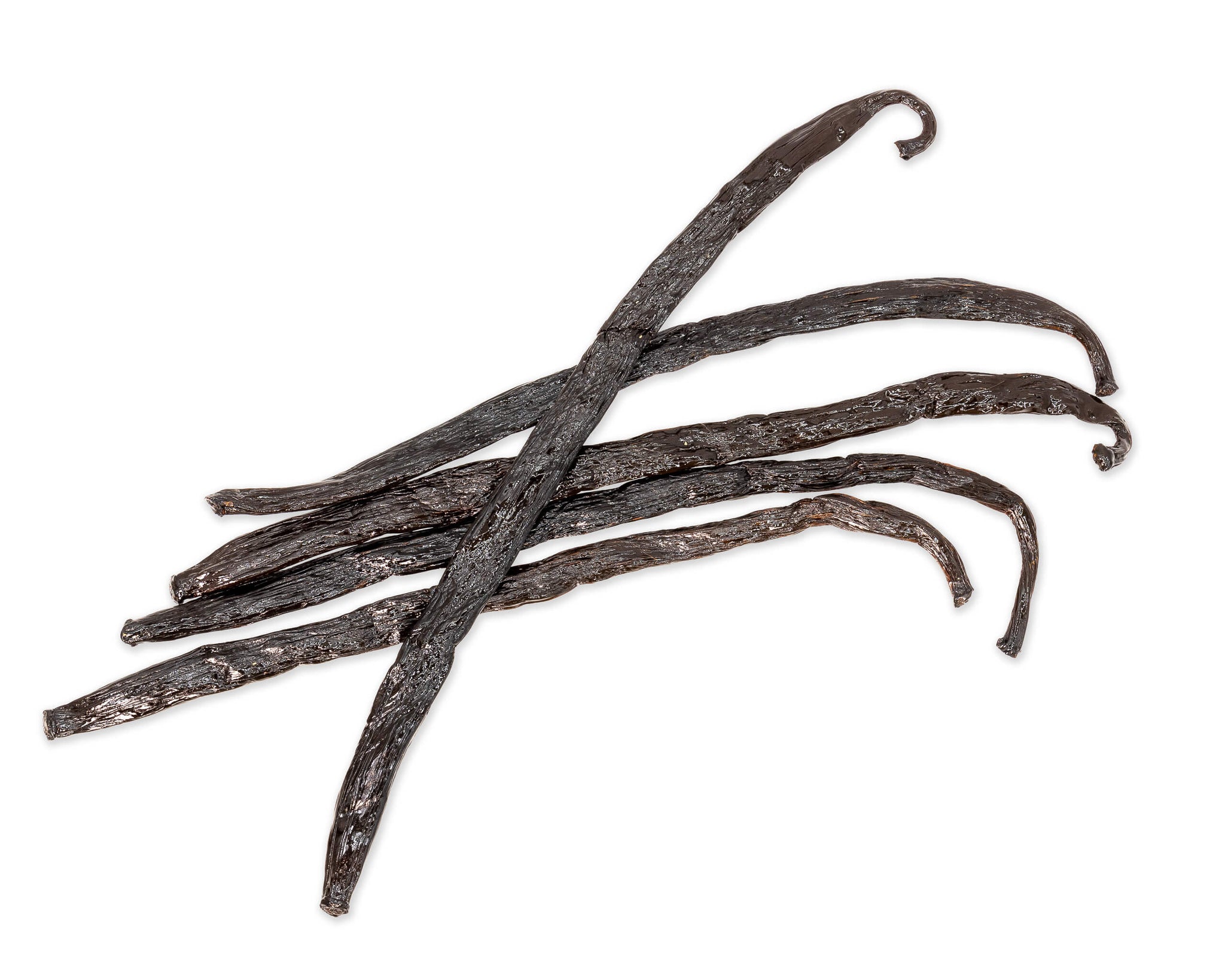
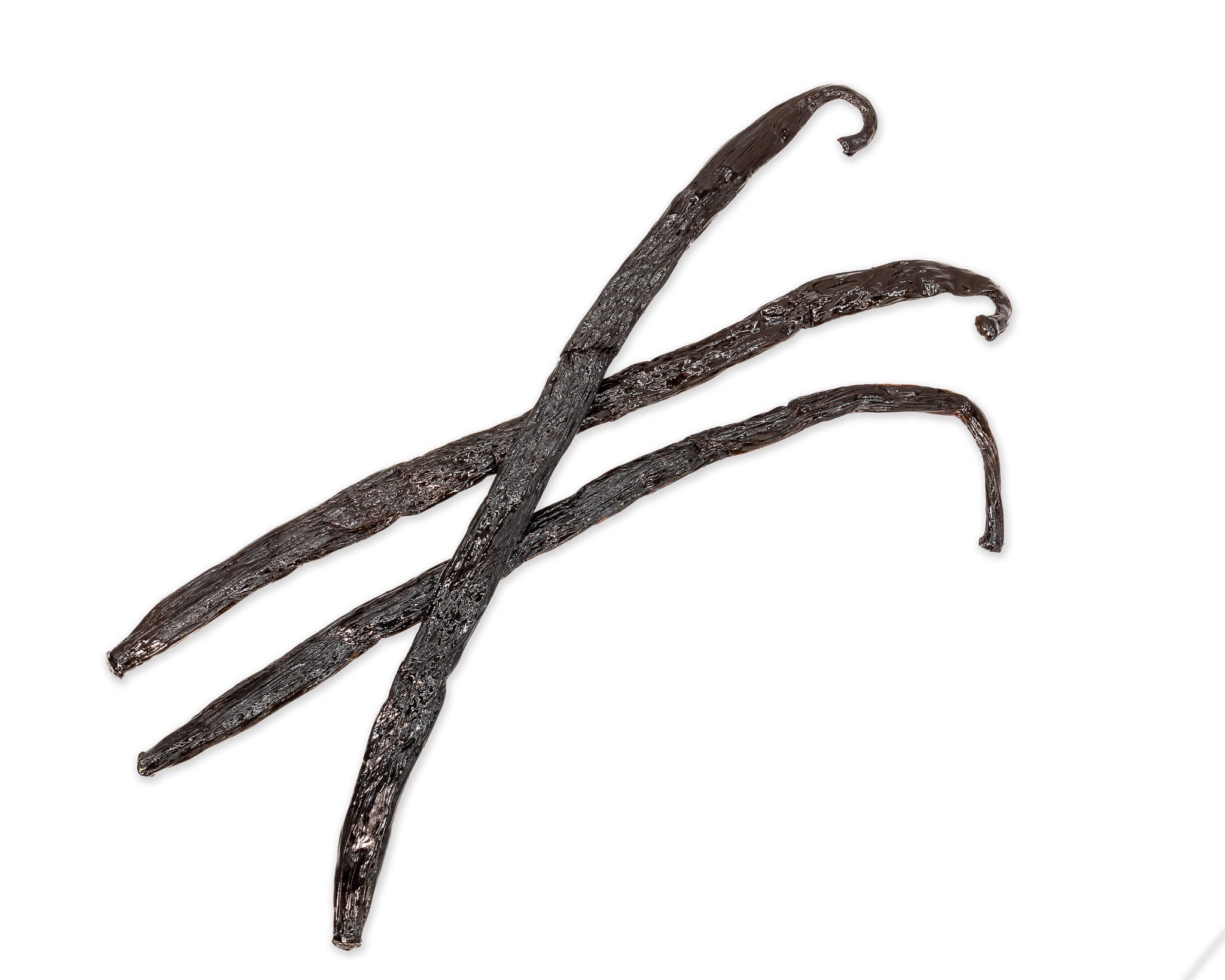
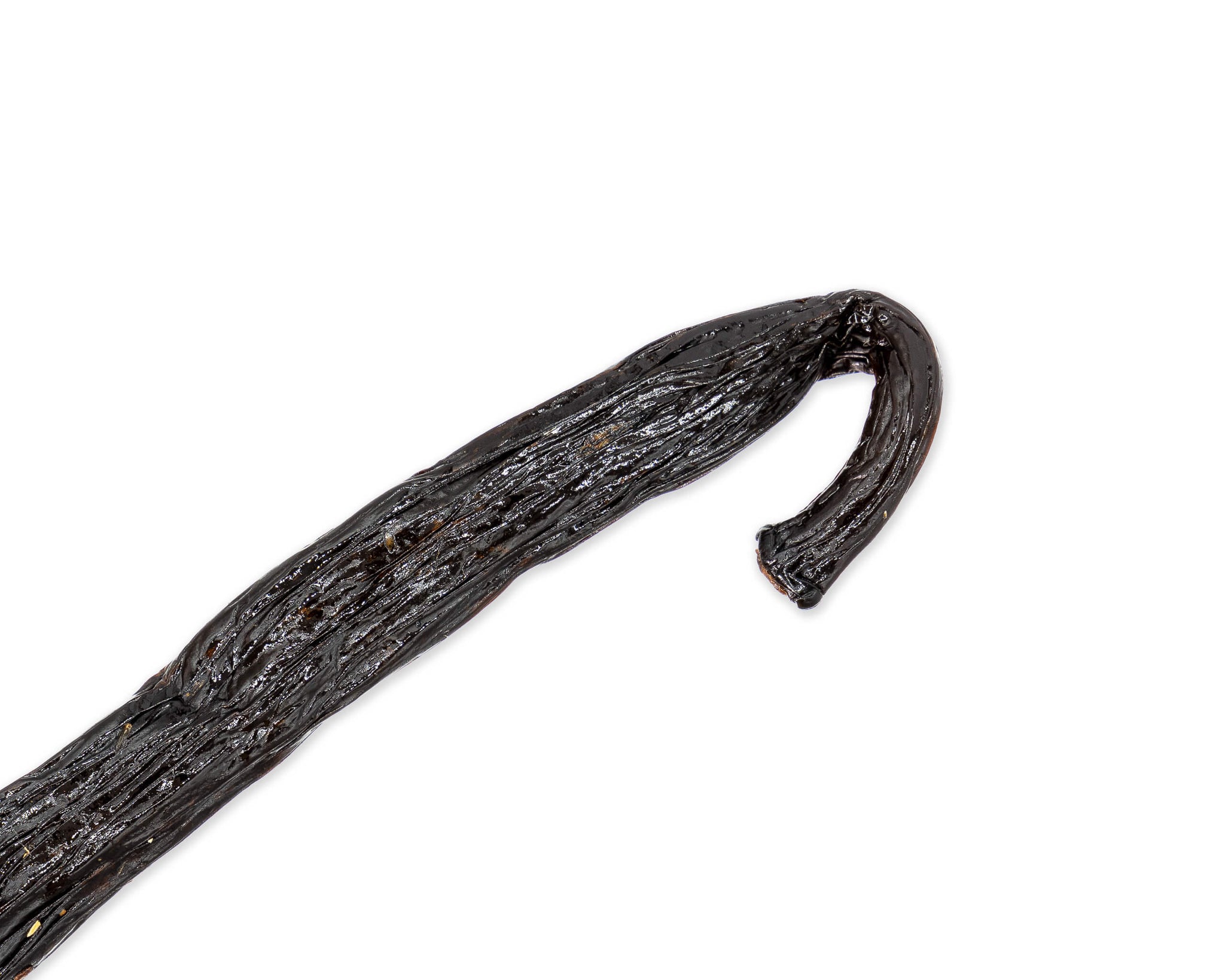
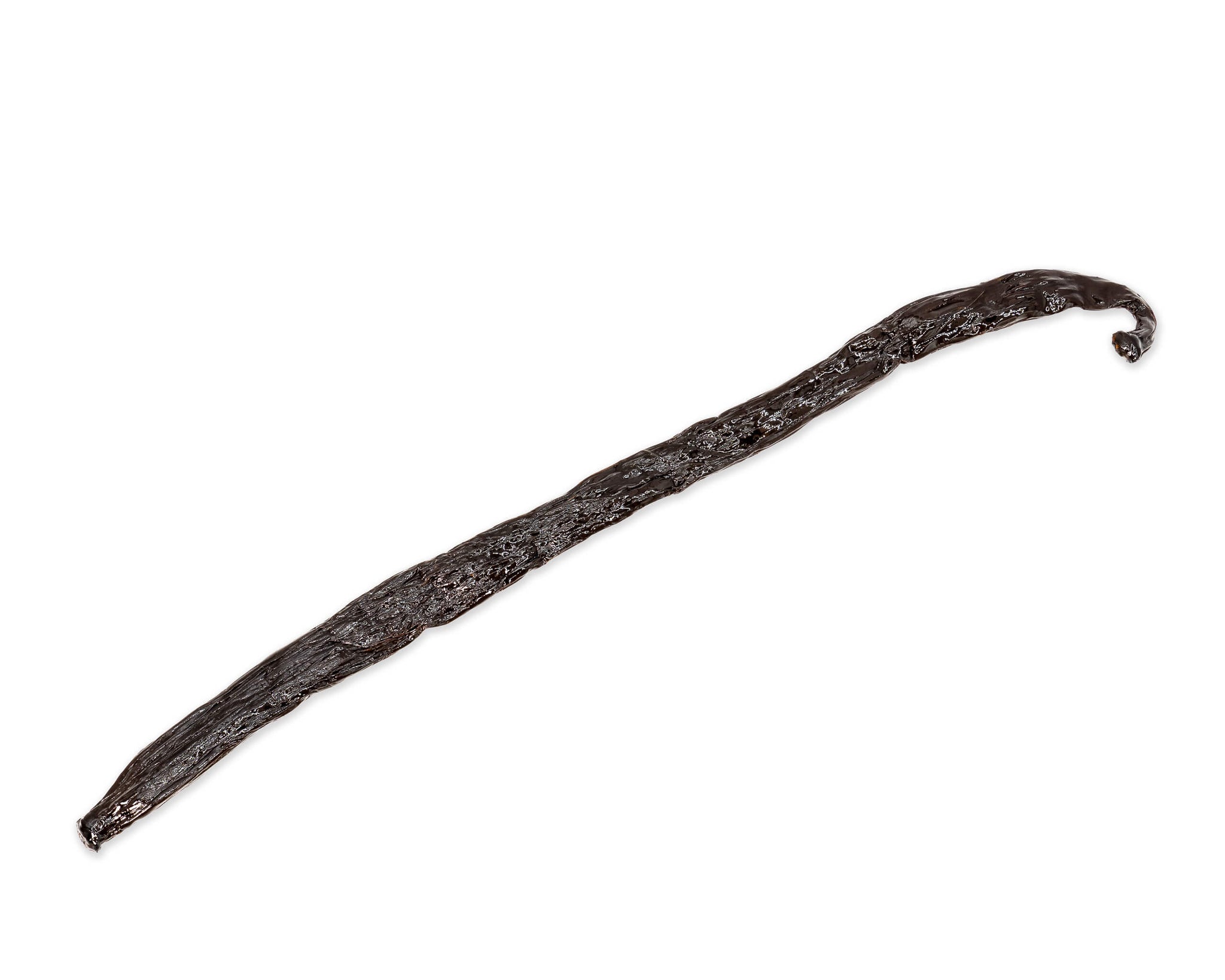
| Color/Appearance | Long, Stockier Pods Than Standard Planifolia; Glossy |
| Flavor Profile | Bourbon-Like, Closer to Classic Vanilla Than True Pompona |
| Tasting Notes | Chocolate, Raisin, Date |
| Vanillin Content | Approximately 20-30% Lower Than Standard Vanilla planifolia; Flavor Complexity Comes From a Broader Range of Aromatic Compounds, Not Vanillin Alone |
| Uses | Vanilla Extract, Baking, Perfumery |
| Rarity | Genuinely Rare Hybrid Variety; Costa Rica Is the World's Leading Cultivator |
| Packaging | Vacuum-Sealed, Food-Grade |
El Híbrido: Costa Rica's Rare Vanilla Hybrid
What's grown in Costa Rica and often sold as "Pompona vanilla" is actually a distinct hybrid variety, not pure Vanilla pompona. Peer-reviewed genetic testing (Grisoni & Nany, 2021, published in Genetic Resources and Crop Evolution) confirms this vanilla is a cross between Vanilla planifolia and Vanilla pompona, matching a variety bred in Madagascar called Tsy taitra, meaning "which is not susceptible" in Malagasy. Locally in Costa Rica, growers call it "el híbrido."
Tsy taitra was developed by Madagascar's national vanilla breeding program specifically for its strong resistance to Fusariosis, a soil-borne disease that devastated vanilla plantations throughout the 20th century, by crossing Vanilla planifolia with Vanilla pompona, then backcrossing the offspring again with planifolia. Genetically, that makes this vanilla roughly three-quarters planifolia and one-quarter pompona, which explains its Bourbon-like aromatic character, closer to the classic flavor of Madagascar Bourbon vanilla than to true pompona's more exotic fig and raisin profile, while still carrying pompona's larger, stockier pod structure. Looking for a purer expression of Vanilla pompona instead? Try our Peruvian Pompona or Madagascar Pompona.
How This Vanilla Reached Costa Rica
The Fusariosis Crisis That Created This Vanilla
Why This Vanilla Has an Identity Problem
This variety's journey began at Madagascar's Ambohitsara research station, where breeders spent decades developing disease-resistant vanilla hybrids in response to a Fusariosis epidemic that was destroying plantations across the country, the same nation responsible for the majority of the world's classic Bourbon vanilla supply. Cuttings were later introduced to Costa Rica under the name "Vaitsy," likely a transcription variation of "Tsy taitra," and propagated in vitro at the Polytechnic University of San Carlos. Today, Costa Rica is recognized as the world leader in cultivating this particular hybrid, even though it remains virtually unknown outside a handful of growing regions. Ready to put it to use? Chop or split the beans and steep in your alcohol of choice to make your own homemade vanilla extract.
In the early 1950s, a soil-borne fungal disease called Fusariosis began devastating vanilla plantations across Madagascar, causing roots and stems to rot and killing plants just two or three years after planting. At the time, Madagascar was already producing over 1,000 tons of vanilla annually and supplying the majority of the world's demand, so the disease posed a genuine threat to global vanilla supply. In 1952, researchers established a dedicated breeding station to develop disease-resistant vanilla varieties, work that would continue for nearly half a century. This hybrid is one of only two varieties that breeding program successfully released to growers, a direct result of decades spent protecting the world's vanilla supply from collapse.
Despite its disease resistance and genuine agricultural pedigree, this hybrid has struggled with an image problem among vanilla curers, who sometimes lump it together with a catch-all category called "Mexique," a label loosely applied in Madagascar to a range of vanilla hybrids with inconsistent, poorly defined characteristics. That reputation followed the variety even as it found unexpected success an ocean away in Costa Rica, where it's simply known as "el híbrido," without the baggage of its Madagascar naming history. It's a useful reminder that a vanilla's reputation and its actual genetics don't always line up, which is exactly why we rely on published, peer-reviewed research rather than trade folklore when describing what's actually in the bottle.
How to Use This Vanilla
Because its aromatic profile leans closer to classic Bourbon vanilla than true Pompona, this hybrid is a versatile, approachable choice for most vanilla applications. It performs well in baking, custards, and ice cream, and its chocolate, raisin, and date notes make it a natural pairing for desserts built around dark chocolate, caramel, or dried fruit. For homemade extract, chop or split the pods to expose more surface area, then steep in your alcohol of choice for several weeks to draw out its full flavor. Its slightly lower vanillin content compared to standard planifolia means it may benefit from a slightly longer steep time or a marginally higher bean-to-alcohol ratio for extract makers seeking a bold result.